
Creating a calm, spacious home for small pets isn’t just about aesthetics—it’s about harmony. Whether you own hamsters, rabbits, birds, or reptiles, your pet’s environment deeply influences its health and behavior. A serene, well-organized space helps them feel safe, encourages natural behaviors, and minimizes stress. Let’s explore how you can transform your home into a calm, comfortable haven for your little companions.
Why Small Pets Need a Calm Environment
Small pets, like hamsters, guinea pigs, finches, or lizards, are sensitive to noise, clutter, and sudden changes. Their size makes them more vulnerable to environmental stress. Imagine living in a world where every vibration or loud sound feels like an earthquake—that’s how small pets often perceive their surroundings.
A calm, spacious home lowers stress hormones, improves immune health, and leads to longer lifespans. You’ll notice more active play, better appetite, and fewer signs of nervous behavior like hiding or excessive grooming.
Choosing the Right Location for Their Habitat
The first step in building a calm spacious home for small pets is choosing the right location. Placement determines how secure your pet feels.
Avoid Noisy or High-Traffic Areas
Kitchens, living rooms, or entryways may seem convenient but can be overwhelming for tiny animals. Constant movement and unpredictable sounds can trigger anxiety.
Pick a Quiet, Stable Spot
Select a room corner or low-traffic area where noise, temperature, and light levels remain consistent. A calm environment mirrors the safety of their natural habitats, where predators and chaos are minimal.
Mind the Temperature and Light
Avoid placing cages near windows, heaters, or air vents. Sudden drafts or heat surges can stress small pets. Soft, natural light without glare supports their daily rhythm and comfort.
Designing a Spacious and Organized Habitat
A calm spacious home for small pets begins inside their habitat. Even in limited spaces, smart design can make a world of difference.
Prioritize Floor Space Over Height
Small pets explore horizontally. Hamsters, guinea pigs, and rabbits love to roam and dig, while reptiles and rodents need ground room for tunnels and hides. A wide floor area encourages natural movement and reduces boredom.
Add Zones for Rest, Play, and Privacy
Just like people, small pets benefit from separate areas for different needs:
- Rest zone: A cozy hideaway or nesting spot.
- Play zone: Open areas for exercise or enrichment.
- Feeding area: A clean, easily accessible feeding and watering corner.
Organizing these zones keeps your pet’s environment predictable and stress-free.
Use Natural Materials
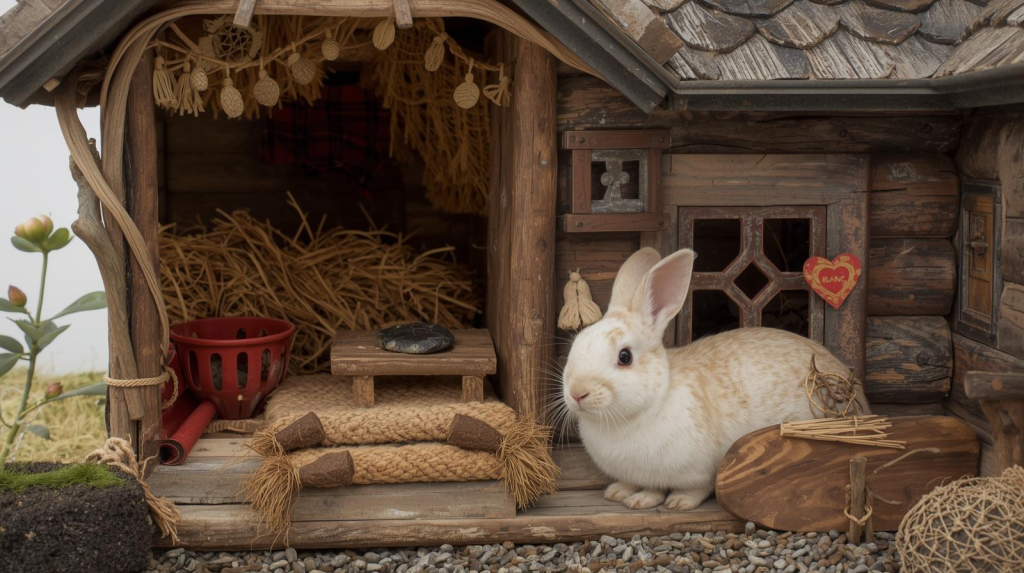
Wooden huts, paper bedding, and safe plants can create a gentle, natural feel. Avoid sharp plastic or metal accessories that reflect light or make noise.
Reducing Stress Through Sound and Scent
Sound and scent strongly affect how calm or anxious a small pet feels. Creating a peaceful sensory environment helps them relax and thrive.
Keep Noise Levels Low
Play soft background sounds like gentle music or nature ambiance to mask sudden noises. Avoid TVs or loud music near cages. Vibrations from speakers or footsteps can make pets nervous.
Maintain Clean Air and Mild Scents
Many small pets have sensitive respiratory systems. Strong cleaning agents, air fresheners, or scented candles can irritate them. Use mild, pet-safe cleaning solutions and ensure proper ventilation without drafts.
Routine Is Reassurance
Small pets love routine. Feed, clean, and interact at consistent times daily. Predictable rhythms help them feel secure and reduce fear of the unknown.
Creating Visual Calm and Comfort
Visual clutter can make even a spacious habitat feel stressful. The way you decorate and arrange the space impacts how calm it feels—for both you and your pets.
Simplify Their View
Avoid overstimulation. Too many bright toys or mirrors can cause confusion or agitation. Instead, offer a few well-chosen enrichment items that invite exploration without overwhelming their senses.
Choose Soft Colors
Gentle, earthy tones—like beige, sage, or soft gray—help maintain visual calm. These colors mimic natural environments and reduce the sense of confinement.
Provide Shelters and Hiding Spots
Even the friendliest pet needs privacy. Hideouts, tunnels, or partial covers help them feel safe from perceived threats. This is essential for nocturnal or shy species that seek quiet during the day.
Encouraging Movement Without Chaos
Space isn’t just physical—it’s emotional. Allowing pets to move freely within a safe setup gives them confidence and curiosity without stress.
Rotate Toys and Layouts Gradually
Instead of changing everything at once, introduce new toys or rearrangements slowly. Small pets notice subtle differences, and sudden changes can feel like displacement.
Offer Safe Exploration Time
Supervised out-of-cage time in a secure area provides exercise and mental stimulation. For example, guinea pigs enjoy floor time with tunnels, while rabbits thrive in enclosed playpens.
Balance Stimulation with Rest
After play, ensure they can return to quiet zones. Overactivity can be as stressful as boredom.
Maintaining Cleanliness and Routine
A calm spacious home for small pets stays peaceful only with consistent care. Cleanliness doesn’t mean constant scrubbing—it means balance.
Clean Regularly but Gently
Overcleaning removes comforting familiar scents. Clean cages weekly, but spot-clean daily for waste or spilled food. Always keep at least one familiar item untouched to maintain their scent comfort.
Use Quiet Cleaning Tools
Avoid vacuums or loud sprayers. Hand cleaning with mild products keeps the process calm and non-threatening.
Check for Signs of Stress
Look for pacing, hiding, loss of appetite, or aggression. These indicate discomfort in their environment. Adjust noise, light, or layout to restore balance.
Conclusion
Creating a calm spacious home for small pets is about respect and awareness. Every sound, scent, and sight shapes how safe they feel. When you design a peaceful, clutter-free space with thoughtful routines, your small pets reward you with confidence, playfulness, and longevity. Remember—it’s not just about giving them a home. It’s about giving them peace.
FAQ
1. How can I tell if my small pet is stressed?
Look for signs like hiding, loss of appetite, excessive grooming, or unusual aggression. These behaviors indicate environmental stress or discomfort.
2. What colors help create a calm space for small pets?
Soft, natural colors like beige, sage, or light brown mimic outdoor environments and create visual calm for sensitive pets.
3. How often should I clean my pet’s habitat?
Spot-clean daily and perform a full clean once a week. Avoid removing all familiar scents at once, as this can cause anxiety.
4. Are scented candles safe around small pets?
No. Many scented products release chemicals that irritate small pets’ respiratory systems. Use unscented or pet-safe options instead.
5. What’s the best way to reduce noise stress?
Place habitats in quiet areas, away from TVs and traffic. Soft background sounds or gentle music can help mask sudden noises.