
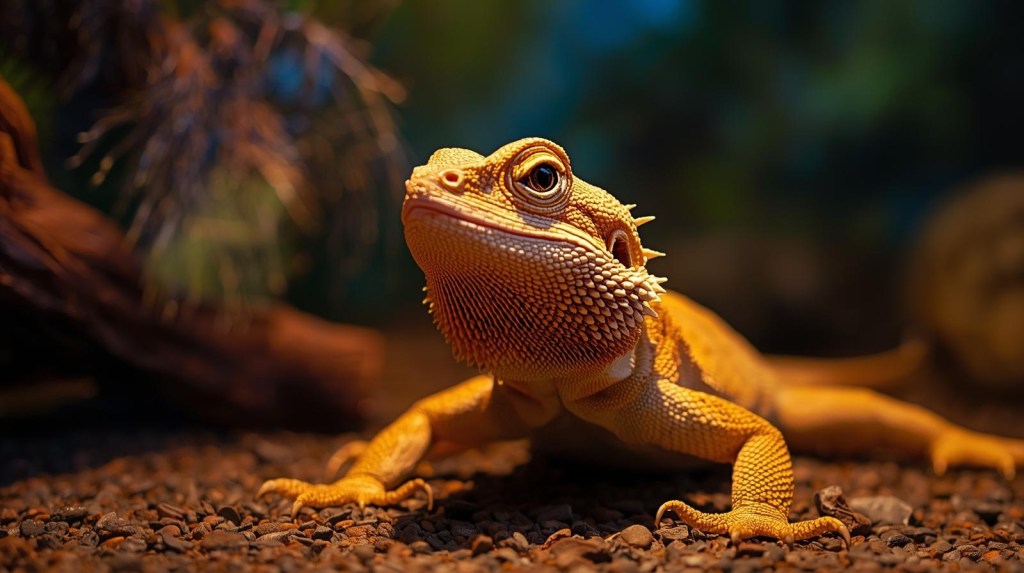

Lighting might seem simple, but for reptiles, it’s a matter of life, comfort, and survival. The glow above their tank is more than just illumination—it’s a signal that tells them when to wake, eat, bask, or rest. When that lighting isn’t right, stress can quietly build until your reptile’s health and mood begin to suffer.
Let’s uncover the hidden ways lighting can stress your reptile and what you can do to restore harmony to their environment.
Understanding How Reptiles Perceive Light
Reptiles experience light differently from humans. Their vision and internal rhythms depend on subtle cues from natural sunlight. The amount, intensity, and type of light tell them when to be active, when to hide, and when to digest food.
Artificial lighting in captivity must mimic these natural cycles as closely as possible. When it doesn’t, it creates confusion in their biological systems—similar to how humans feel after jet lag.
A reptile exposed to constant brightness or inconsistent day-night cycles can become disoriented and anxious. Over time, this stress affects their behavior and even weakens their immune system.
The Role of UVB and UVA in Reptile Health
Light for reptiles isn’t just about visibility—it’s about essential biological functions.
- UVA light supports behavior, activity, and appetite. It helps reptiles stay alert and regulate their natural patterns.
- UVB light is critical for vitamin D3 production, which allows calcium absorption and bone development. Without it, metabolic bone disease can occur—a painful and often irreversible condition.
When lighting setups fail to provide balanced UVA and UVB exposure, reptiles experience physical and emotional stress. Imagine if you lived under dim fluorescent lights 24/7 with no sense of time—that’s how your reptile feels in poor lighting conditions.
How Improper Lighting Triggers Stress Responses
You might not see it immediately, but lighting issues often trigger subtle stress behaviors first.
1. Constant Brightness or Darkness
Reptiles need consistent day and night cycles to maintain their circadian rhythm. Too much light causes restlessness and sleep deprivation. Too little light leads to lethargy and confusion.
2. Incorrect Bulb Placement
When heat and light sources are too close or too far away, reptiles struggle to thermoregulate. They may avoid basking areas or overheat while trying to find comfort.
3. Wrong Spectrum or Intensity
Each reptile species requires a specific light spectrum. A desert reptile needs intense UVB exposure, while a forest-dwelling gecko needs softer lighting. Using the wrong type leads to eye irritation, stress, and reduced activity.
Stress from lighting imbalances can show up as reduced appetite, aggression, hiding, or glass surfing—signs that your reptile is trying to escape discomfort.
Recognizing Behavioral Signs of Lighting Stress
Spotting the signs early can make a huge difference. Look for these behavioral cues that your reptile is stressed by its lighting setup:
- Staying hidden for long periods
- Constantly trying to climb the tank walls
- Refusing food or showing disinterest in hunting
- Rapid breathing or visible tension
- Frequent color changes or dull skin tones
These aren’t random mood swings—they’re communication. Your reptile is telling you something’s wrong with its environment, and lighting is often the hidden culprit.
The Connection Between Lighting and Temperature Regulation
Lighting and temperature are closely linked in a reptile’s world. They rely on external heat to digest food, regulate energy, and maintain healthy metabolism.
When lighting is off, their ability to warm up or cool down becomes unbalanced. A basking bulb that’s too bright or too hot can make them avoid essential basking time. Conversely, if lighting is too dim or far away, their body temperature drops, leading to digestive issues and fatigue.
Creating the right lighting gradient across the tank allows reptiles to self-regulate, moving between warmer and cooler zones just as they would in nature.
Creating a Calming, Natural Lighting Setup
Preventing lighting stress isn’t just about choosing the right bulb—it’s about creating a rhythm that feels natural.
1. Match Day and Night Cycles
Set a timer to mimic a 12-hour day and 12-hour night pattern. This predictable rhythm helps reptiles feel secure and reduces anxiety.
2. Choose the Correct UVB Strength
Research your reptile’s habitat. Desert species like bearded dragons need stronger UVB (10.0 range), while tropical species like chameleons do best with softer UVB (5.0 range).
3. Avoid Sudden Light Changes
Abrupt on/off lighting startles reptiles. Use dimmers or staggered timers to simulate dawn and dusk transitions.
4. Maintain Proper Distance
Follow manufacturer guidelines for bulb placement. A few inches can make the difference between comfort and stress.
5. Replace Bulbs Regularly
Even if they still shine, UV output fades over time. Replace UVB bulbs every 6–12 months to maintain consistent quality.
By combining these steps, you help your reptile’s body clock stay in sync and their stress levels low.
Environmental Harmony: Light, Shade, and Space
In the wild, reptiles have endless opportunities to move between light and shadow. Captive environments must replicate that choice.
Adding shaded areas, hides, and natural décor allows your reptile to control its exposure. When they have the option to retreat from bright light, stress decreases significantly.
Think of it as creating “mood lighting” for your reptile—enough brightness for activity, balanced with darker zones for rest. A harmonious enclosure feels calm, safe, and predictable.
Why Lighting Stress Often Goes Unnoticed
Lighting stress is sneaky because it doesn’t cause immediate physical symptoms. You might see your reptile eating and moving normally, unaware that chronic stress is silently affecting them inside.
Over weeks or months, you might notice subtle issues—slow growth, dull coloration, poor shedding, or erratic behavior. These often trace back to inconsistent or harsh lighting setups.
Reptiles are experts at masking discomfort. By the time symptoms are obvious, the stress has often been ongoing for quite some time. That’s why proactive lighting management is one of the best ways to protect your reptile’s wellbeing.
Bringing It All Together: A Balanced Light Means a Balanced Reptile
Good lighting is more than aesthetics—it’s the invisible heartbeat of your reptile’s habitat. When it’s right, your pet feels secure, behaves naturally, and thrives with vibrant health.
When it’s wrong, stress builds quietly until it shows in their body and behavior. But the good news? You have complete control to fix it.
By understanding how reptiles perceive light, adjusting UV levels, and respecting natural cycles, you create an environment where your reptile feels truly at home. Balance the light, and you’ll balance your reptile’s world.
FAQ
1. How can I tell if my reptile’s light is too bright?
If your reptile constantly hides, squints, or avoids basking areas, the light may be too intense. Try lowering the wattage or increasing distance.
2. Do reptiles need light at night?
No. Reptiles need darkness to rest and regulate their body clock. Use a timer to ensure a clear day-night cycle.
3. How often should I replace UVB bulbs?
Replace UVB bulbs every 6–12 months, even if they still emit light. Their UV output fades over time.
4. Can improper lighting cause aggression in reptiles?
Yes. Stress from excessive light or disrupted cycles can make reptiles more defensive or irritable.
5. What’s the best lighting setup for my reptile?
It depends on species. Research your reptile’s natural habitat, then choose the correct UVB range, intensity, and duration to match those conditions.