
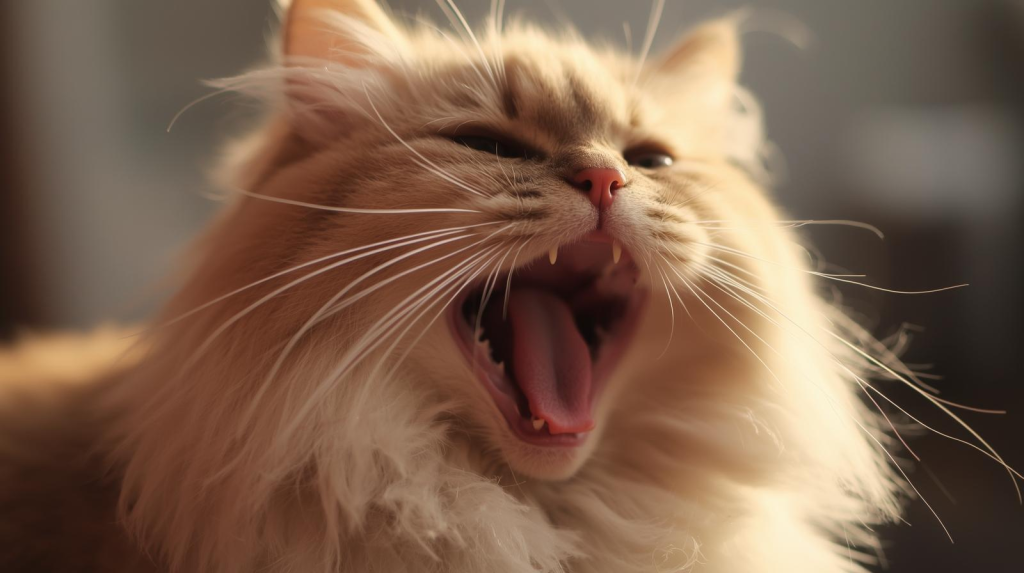

Bad breath in cats might seem like a small issue, but it’s often a sign of something more serious lurking beneath the surface. Whether it’s caused by plaque, poor diet, or an underlying health problem, chronic halitosis (the fancy term for bad breath) can make cuddles a bit less pleasant—and signal that your cat’s mouth needs attention. The good news? You can stop cat bad breath naturally using safe, simple, and effective methods. Let’s break it down step-by-step.
Understanding Why Cats Get Bad Breath
Just like humans, cats can develop bad breath from bacteria buildup, dental problems, or diet issues. The most common culprit is plaque—a sticky film of bacteria that hardens into tartar if not removed. Over time, this leads to gum disease, infections, and that unmistakable “fishy” odor.
Other causes may include:
- Poor-quality cat food or lack of dental care
- Stuck food particles between teeth
- Oral infections or abscesses
- Kidney disease or diabetes (in severe cases)
It’s important to pay attention early. If your cat’s breath smells unusually foul, don’t just mask the odor—find out why it’s happening and treat it naturally.
The Power of a Clean Mouth
One of the most effective ways to stop cat bad breath naturally is regular oral hygiene. While brushing your cat’s teeth might sound impossible, it’s actually manageable once your cat gets used to it. Start slowly, reward patience, and use the right tools.
Brushing Your Cat’s Teeth
Use a soft-bristled cat toothbrush and a pet-safe toothpaste—never human toothpaste, as it can be toxic to cats. Start by letting your cat lick the toothpaste, then gently rub it along the gums and teeth using circular motions.
Aim for brushing two to three times a week. Over time, this habit prevents plaque buildup and keeps your cat’s mouth smelling fresh.
Dental Wipes and Chews
If brushing is too stressful, dental wipes or natural dental chews are great alternatives. These products help reduce bacteria and scrub away plaque while your cat chews or licks—an easy way to maintain oral health without the wrestling match.
Natural Remedies That Work
Nature offers plenty of safe, effective ways to stop cat bad breath. Let’s look at some easy options you can add to your daily routine.
1. Coconut Oil
Coconut oil is antibacterial and safe for cats in small amounts. Add ¼ teaspoon to your cat’s food once or twice a day. It helps combat mouth bacteria and promotes fresh breath.
2. Parsley or Mint
Parsley and mint are natural breath fresheners. You can sprinkle a few finely chopped leaves into your cat’s food bowl. They neutralize odors while adding a boost of vitamins.
3. Apple Cider Vinegar
A few drops of apple cider vinegar in your cat’s water bowl can balance mouth pH and fight bacteria. Start with one teaspoon per cup of water, ensuring your cat still drinks comfortably.
4. Probiotics
Digestive health is closely linked to oral health. Probiotics designed for cats help balance gut bacteria, reduce odor, and improve overall wellness.
5. Crunchy Vegetables or Dental Treats
If your cat tolerates them, small pieces of crunchy vegetables like carrots or special dental treats can help scrape away plaque naturally. These promote mechanical cleaning while satisfying chewing instincts.
The Role of Diet in Fresh Cat Breath
Diet plays a massive role in controlling bad breath. Feeding your cat high-quality food with natural ingredients helps reduce odor at the source. Avoid artificial fillers, by-products, or sugary treats that can contribute to plaque and bacteria buildup.
Switching to a Better Diet
Consider premium dry kibble designed for dental health. Some cat foods are formulated to clean teeth as your cat chews. You can also mix in wet food to maintain hydration while keeping their diet balanced.
Hydration Matters
Cats often don’t drink enough water, leading to dry mouth and odor buildup. Encourage water intake with a cat fountain—many cats prefer running water. Keeping their mouth hydrated naturally reduces bacteria and keeps breath fresher.
When Bad Breath Signals a Bigger Problem
Sometimes, bad breath isn’t just a dental issue. Persistent foul odor could mean your cat has an underlying health concern that needs veterinary care.
Common health-related causes include:
- Kidney disease: Breath may smell like ammonia.
- Diabetes: A sweet or fruity odor is a warning sign.
- Liver issues: Accompanied by yellow gums or loss of appetite.
If your cat’s breath changes suddenly, especially if paired with lethargy, weight loss, or drooling, see a vet immediately. A professional checkup ensures you’re not overlooking a serious condition.
Creating a Natural Dental Routine
Consistency is key when it comes to stopping cat bad breath naturally. Building a simple daily or weekly routine keeps things under control and prevents plaque from returning.
Here’s what an ideal natural dental routine looks like:
- Brush your cat’s teeth regularly (or use wipes/chews).
- Add natural fresheners like parsley or coconut oil to meals.
- Ensure clean water is available at all times.
- Schedule annual dental cleanings with your vet.
It’s all about small steps that lead to lasting results. A little effort each week can make a huge difference in your cat’s health—and your comfort when they curl up close.
How to Make Your Cat Comfortable
Let’s face it—cats don’t exactly line up for dental cleanings. Making oral care stress-free is crucial for success.
- Start slow: Begin by touching your cat’s face gently before introducing a toothbrush.
- Use positive reinforcement: Offer treats, praise, or playtime afterward.
- Pick calm moments: Try cleaning when your cat is relaxed or sleepy.
- Stay patient: Consistency builds trust.
Over time, your cat will associate dental care with comfort and rewards rather than stress.
Conclusion
You don’t need harsh chemicals or expensive treatments to stop cat bad breath naturally. With consistent care, better nutrition, and a few natural remedies, your feline friend can have a healthy mouth and a fresh, pleasant scent. Remember, bad breath is often a symptom, not just an inconvenience—so treat it with care and attention.
Your cat depends on you to keep them healthy, happy, and smelling sweet. Start today with one small change, and you’ll soon notice the difference every time your cat comes in for a cuddle.
FAQ
1. What causes my cat’s bad breath?
Most cat bad breath comes from plaque buildup, bacteria, or gum disease. Poor diet or health issues like kidney disease can also contribute.
2. How often should I brush my cat’s teeth?
Aim to brush your cat’s teeth two to three times a week. Even once a week can help reduce plaque and odor significantly.
3. Are human toothpaste or mouthwash safe for cats?
No. Human toothpaste contains fluoride and xylitol, which are toxic to cats. Always use pet-safe products.
4. Can diet alone fix my cat’s bad breath?
A healthy diet supports oral health but isn’t a complete fix. Combine good nutrition with brushing or natural remedies for the best results.
5. When should I see a vet for bad breath?
If the smell is strong, persistent, or accompanied by drooling, loss of appetite, or behavior changes, see a vet as soon as possible.