
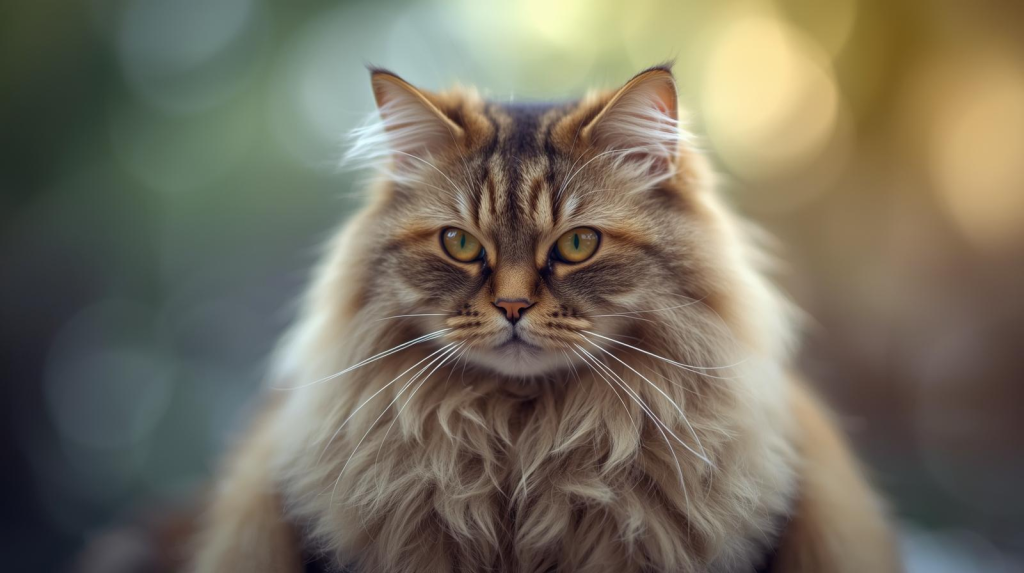

Caring for a long-haired cat is both rewarding and challenging. Those luxurious coats look stunning, but they can quickly turn into a tangled mess without proper grooming. Whether you own a Persian, Maine Coon, or Ragdoll, knowing how to maintain their fur is key to keeping them comfortable, healthy, and beautiful.
Let’s explore how grooming long-haired cats can be made simple and even enjoyable for both you and your feline friend.
Why Grooming Long-Haired Cats Is Essential
Grooming long-haired cats isn’t just about looks—it’s about health. These cats are prone to tangles, mats, and shedding, which can lead to discomfort or skin infections. Regular grooming ensures:
- Fewer mats and tangles
- Reduced hairballs
- Better skin health
- Stronger bonding with your cat
By brushing consistently, you help remove loose fur, distribute natural oils, and prevent painful matting. Plus, grooming sessions are a chance to check for any lumps, fleas, or skin irritation.
Choosing the Right Grooming Tools
To make grooming long-haired cats easy, you’ll need the right tools. Using proper grooming gear saves time and reduces stress for your cat.
Essential Brushes and Combs
- Slicker Brush: Perfect for removing loose fur and untangling light mats.
- Wide-Tooth Comb: Gently detangles knots without pulling too hard.
- Fine-Tooth Comb: Great for finishing touches and checking for fleas.
- Deshedding Tool: Helps reduce shedding and hairballs by reaching the undercoat.
Each tool plays a role in maintaining a smooth, tangle-free coat. Keep them clean and in good condition for the best results.
Don’t Forget Nail Clippers
Trimming your cat’s nails before grooming can make the process easier and safer. Long claws may snag on brushes or cause discomfort during brushing.
How to Brush Long-Haired Cats Properly
Brushing might seem simple, but technique matters. Proper brushing not only keeps the fur clean but also strengthens your bond with your cat.
Step 1: Set the Mood
Cats sense tension, so create a calm environment. Choose a quiet spot and gently talk to your cat before starting.
Step 2: Start Slowly
Use short, gentle strokes, starting with the back and sides before moving to the chest and belly. Always brush in the direction of hair growth.
Step 3: Handle Tangles Carefully
If you encounter a knot, hold the fur near the base to avoid pulling the skin. Use a detangling spray or gently work through the knot with your fingers before combing.
Step 4: Reward Good Behavior
Positive reinforcement goes a long way. Offer treats or gentle praise after each session to make grooming enjoyable.
Consistency is key—brushing long-haired cats daily or every other day helps prevent mats from forming in the first place.
Bathing Long-Haired Cats Without the Stress
Cats are generally good at self-cleaning, but long-haired breeds sometimes need help. Bathing helps remove excess oils and dirt that can lead to matting.
When to Bathe Your Cat
A bath every 4–6 weeks is usually enough for long-haired cats, unless they’ve gotten particularly dirty.
Steps for a Calm Bathing Routine
- Prepare everything first. Use cat-safe shampoo, towels, and a non-slip mat.
- Use lukewarm water. Cats are sensitive to temperature, so keep it gentle.
- Wet and lather carefully. Start from the neck and work downward, avoiding the face.
- Rinse thoroughly. Leftover shampoo can cause irritation.
- Dry completely. Use a towel or a cat-safe hair dryer on a low setting.
If your cat hates baths, try using waterless cat shampoos or grooming wipes to keep their fur fresh between washes.
Managing Mats and Tangles Safely
Mats are a common problem for long-haired cats, especially under the legs, behind the ears, and around the tail. Ignoring them can cause pain and even restrict movement.
How to Remove Mats
- Start with your fingers to gently separate the fur.
- Use a detangling spray to loosen knots.
- For stubborn mats, a dematting comb or mat splitter works best.
Never use scissors—one small movement could cause injury. If mats are severe, a professional groomer should handle them.
Regular brushing and coat checks can prevent mats from forming in the first place.
Keeping the Coat Shiny and Healthy
Grooming long-haired cats isn’t only about removing tangles—it’s also about maintaining coat health.
Diet and Hydration Matter
A shiny coat starts from within. High-quality cat food rich in omega-3 and omega-6 fatty acids promotes strong, glossy fur. Always provide fresh water to support hydration and skin elasticity.
Regular Vet Visits
Routine check-ups help identify skin or coat issues early. Conditions like allergies, parasites, or thyroid imbalances can cause fur dullness or excessive shedding.
Environmental Factors
Keep your cat’s environment clean. Regular vacuuming reduces allergens and hair buildup. Using a humidifier can also help keep your cat’s skin from drying out.
When to See a Professional Groomer
Even the best home care can’t replace professional grooming entirely. A trained groomer can trim long fur evenly, clean hard-to-reach areas, and check for health issues.
Signs It’s Time for Professional Help
- Persistent mats you can’t remove
- Unpleasant odor despite baths
- Oily, dull, or flaky coat
- Excessive shedding or hairballs
Scheduling professional grooming every few months can keep your long-haired cat in top condition.
Making Grooming a Positive Routine
The key to successful grooming lies in consistency and patience. Turn grooming into a bonding activity rather than a chore.
Start with short sessions and gradually increase time as your cat grows comfortable. Use soothing tones, reward cooperation, and avoid rushing. Over time, your cat will see grooming as part of their normal routine.
Conclusion
Grooming long-haired cats doesn’t have to be overwhelming. With the right tools, gentle technique, and consistent care, you can keep your feline’s coat silky and tangle-free. Beyond aesthetics, regular grooming supports your cat’s comfort and overall well-being.
So grab your brush, create a calm space, and enjoy the purring reward that comes with every successful session. Grooming isn’t just maintenance—it’s love in action.
FAQ
1. How often should I brush my long-haired cat?
Daily brushing is best to prevent tangles and mats, especially for breeds like Persians or Maine Coons.
2. Can I use human shampoo on my cat?
No. Human shampoo can irritate your cat’s skin. Always use a cat-safe, pH-balanced shampoo.
3. What should I do if my cat hates brushing?
Start with short sessions and use treats to create positive associations. Gentle, slow movements help build trust.
4. How can I prevent hairballs in long-haired cats?
Regular grooming and a high-fiber diet help reduce hairballs by removing loose fur before your cat swallows it.
5. Should I trim my cat’s long hair?
Occasional trimming helps prevent mats and overheating, but always use proper grooming scissors or visit a professional.