
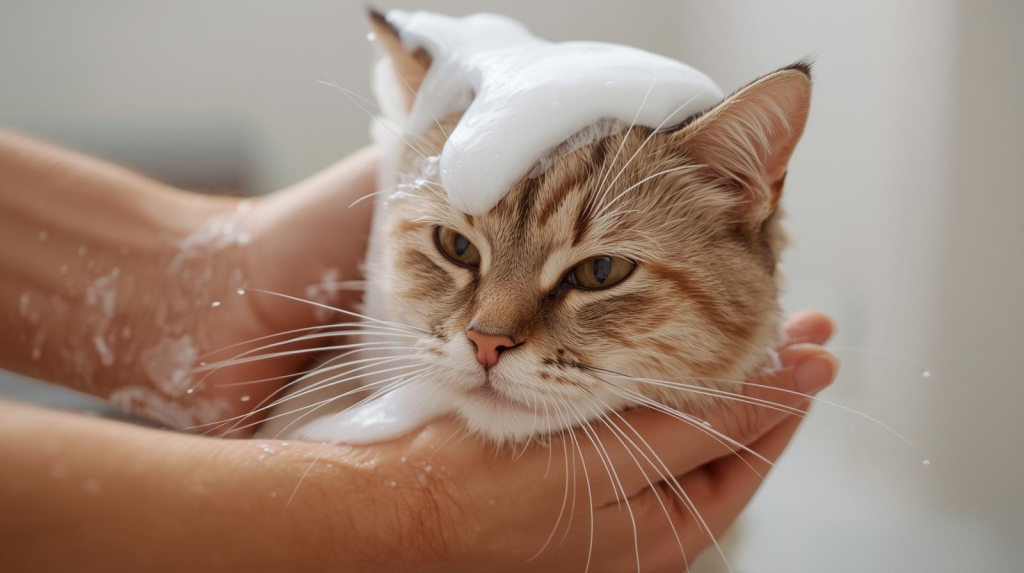

Cleaning your cat doesn’t have to be a battle. Many owners dread bath time, imagining scratches, stress, and chaos. But with the right approach, you can clean your cat calmly and safely—keeping both you and your feline friend happy.
In this guide, we’ll explore how to make grooming a positive experience, from preparation to post-bath cuddles. You’ll learn how to work with your cat’s instincts rather than against them.
Why Cleaning Your Cat the Right Way Matters
Cats are naturally clean animals. They spend hours every day grooming themselves, but sometimes they need a little help—especially long-haired breeds, senior cats, or those who’ve gotten into something sticky or smelly.
Cleaning your cat properly prevents skin problems, matting, and unpleasant odors. More importantly, it helps strengthen the bond between you and your pet when done with patience and care.
If you’ve ever felt guilty or nervous about giving your cat a bath, you’re not alone. The key is understanding that cleaning your cat doesn’t have to mean stress—it can mean trust and comfort when done correctly.
Understanding Your Cat’s Natural Grooming Habits
Before reaching for the shampoo, it helps to understand why cats are so particular about cleanliness. Their grooming behavior isn’t just vanity—it’s essential for regulating body temperature, removing parasites, and maintaining their scent.
When you interfere with this instinct by bathing them incorrectly, it can cause anxiety. However, when you complement their habits by brushing or spot-cleaning gently, you become part of their routine.
Think of it as teamwork—you’re helping your cat do what it already wants to do: stay clean.
Preparing for a Calm Cleaning Session
Preparation is everything. The calmer the setup, the smoother the process.
Gather the Right Tools
You don’t need fancy spa supplies to clean your cat—just a few essentials:
- A cat-specific mild shampoo (never use human shampoo)
- A soft towel
- A gentle brush or grooming glove
- A cup or small sprayer for rinsing
- Treats for positive reinforcement
Having these ready keeps you from scrambling mid-bath, which can make your cat uneasy.
For long-haired breeds, you might also need a detangling comb and a pet-safe conditioner.
Create a Soothing Environment
Cats are sensitive to sights, sounds, and smells. Pick a quiet room, close the door, and keep distractions low.
Run the water before bringing your cat in so the sound doesn’t startle them. Make sure the water is warm—not too hot or cold.
You can even play soft background music or speak to your cat in a calm voice. A relaxed environment helps reduce tension before the first drop of water hits.
Step-by-Step Guide to Clean Your Cat Without Stress
This is where the real work begins—but if you’ve prepared properly, it’ll go smoothly.
Start with Brushing
Brushing your cat first removes loose fur and tangles, making the bathing process faster and easier.
Use slow, gentle strokes. If your cat enjoys it, this can be a bonding moment. Brushing also helps distribute natural oils, keeping their coat shiny even before the bath begins.
Bathing Your Cat Gently
Place your cat on a non-slip surface, like a towel or rubber mat, inside a shallow tub or sink.
Pour water slowly, starting from the shoulders down. Avoid the head for now. Work the shampoo through their fur gently using your hands—imagine you’re giving them a massage, not scrubbing dishes.
Rinse thoroughly. Leftover shampoo can irritate the skin, so take your time with this step.
Always keep one hand on your cat for reassurance. Speak softly throughout; your tone matters as much as your touch.
Drying and Finishing Touches
Wrap your cat in a warm towel immediately after the bath. Pat gently rather than rubbing to avoid tangling the fur.
Most cats dislike blow dryers, but if your cat tolerates it, use a low-heat, low-noise setting from a distance.
Finish with a light brush once the fur is mostly dry, and reward your cat with treats or playtime. Positive reinforcement ensures next time goes even better.
Alternatives to Full Baths for Sensitive Cats
Not all cats need a full soak. In fact, many can stay fresh with simple spot-cleaning methods.
Waterless cat shampoos, grooming wipes, and dry foams are great options for cats who panic around water.
For example, if your cat gets a bit of food on its chin or dirt on its paws, a damp cloth or pet-safe wipe can handle it. This way, you keep your cat clean without triggering stress.
If your cat has oily fur or dandruff, a grooming powder or mousse can refresh their coat between baths.
How to Keep Your Cat Clean Between Baths
Prevention is easier than cure. Keeping your cat’s coat and skin healthy daily means fewer stressful grooming sessions later.
Here are some habits that help:
- Regular brushing (daily for long-haired cats, weekly for short-haired ones)
- Wiping paws after litter box use or outdoor walks
- Checking for fleas, ticks, or skin irritation regularly
- Providing a balanced diet to support skin and coat health
Cats who feel comfortable and clean are also less likely to develop stress behaviors like overgrooming or shedding excessively.
Common Mistakes to Avoid When Cleaning Your Cat
Even the most loving owners can make missteps when trying to clean their cat. Avoid these common pitfalls:
- Using human or dog shampoo (can irritate their skin)
- Bathing too often—once every 4–6 weeks is enough for most cats
- Skipping the brushing step
- Using cold or noisy running water
- Rushing the process
The goal is comfort, not perfection. A little patience goes a long way when your furry friend learns that bath time isn’t scary—it’s just another part of care.
Conclusion: A Calmer Way to Care for Your Cat
Learning to clean your cat without stress is about empathy as much as technique. By understanding your cat’s instincts, preparing carefully, and using gentle methods, you can turn grooming into a peaceful, bonding experience.
It’s not about getting every hair spotless—it’s about helping your cat feel secure, respected, and loved. The cleaner coat is just the bonus.
FAQ
1. How often should I clean my cat?
Most indoor cats only need a bath every 4–6 weeks. Brush regularly between baths to maintain cleanliness.
2. What’s the best shampoo to use for cats?
Always use cat-specific, mild shampoos. Human or dog shampoos can dry or irritate feline skin.
3. How do I calm my cat before a bath?
Try playing with them beforehand to burn energy, then keep a quiet environment with soft lighting and calm voices.
4. Can I clean my cat without water?
Yes, you can use grooming wipes, waterless shampoos, or damp cloths for quick spot-cleaning.
5. What should I do if my cat hates baths?
Focus on gradual desensitization—introduce water slowly, use positive reinforcement, or opt for waterless alternatives until they become more comfortable.