
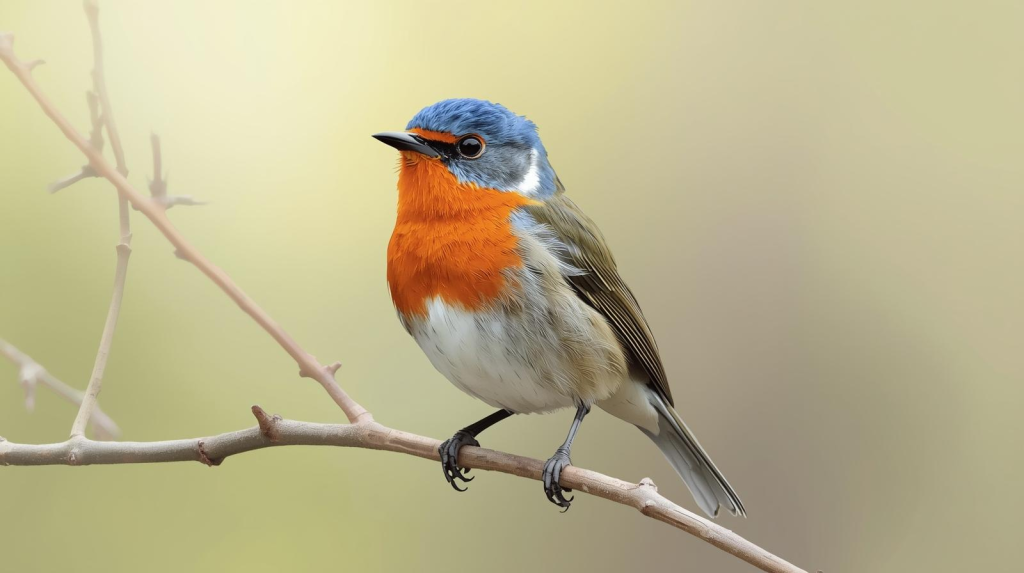

Understanding the connection between bird diet and behavior is crucial for every bird owner. Just like humans, what birds eat directly influences their mood, activity level, and social interactions. Whether you care for parrots, finches, or canaries, nutrition plays a key role in shaping their personality and overall health. Let’s explore how food impacts their minds and actions—and how you can use this knowledge to keep your feathered friends thriving.
Why Bird Diet Matters for Behavior
A balanced diet fuels not only a bird’s body but also its brain. Birds rely on specific nutrients to maintain energy, focus, and emotional stability. When their diet is incomplete or unbalanced, behavioral issues like aggression, feather plucking, or lethargy often follow.
For example, birds fed mainly seeds may develop nutrient deficiencies that cause irritability or excessive vocalization. On the other hand, birds given a diet rich in fruits, vegetables, and pellets tend to display calmer, more predictable behavior.
Transitioning to a healthier diet isn’t just about physical health—it’s about restoring emotional balance and improving daily interactions between birds and owners.
The Science Behind Bird Diet and Mood
Birds have complex brains sensitive to nutrient levels. The same way caffeine or sugar can affect human mood, diet composition influences how birds think and behave.
Protein and Energy Balance
Protein is vital for muscle and feather development. However, too much protein can overstimulate birds, leading to aggression or territorial behavior. Too little, and they might seem sluggish or disinterested in play.
Moderation is key. Offering a mix of protein sources—like eggs, legumes, and formulated pellets—helps maintain balanced energy without triggering hyperactivity.
Vitamins and Minerals
Deficiencies in vitamins A, D, and calcium can cause anxiety, irritability, or even biting. Birds low in vitamin A may show poor feather color and reduced social behavior. Calcium, beyond strengthening bones, supports nerve function and mood regulation.
To ensure emotional stability, offer foods like dark leafy greens, sweet potatoes, and fortified pellets that replenish these nutrients naturally.
Fats and Fatty Acids
Healthy fats, such as omega-3s, play a key role in brain function. Birds lacking essential fatty acids may develop repetitive or destructive behaviors. A few drops of flaxseed or chia seeds in their diet can make a noticeable difference in alertness and calmness.
Behavioral Problems Linked to Poor Nutrition
It’s common to misinterpret poor behavior as disobedience when it’s really diet-related distress. Recognizing the signs helps you act before problems escalate.
Aggression and Biting
Birds deprived of nutrients like magnesium or omega-3s may become irritable or prone to biting. Overfeeding sugary treats can also spike energy levels, causing sudden outbursts of aggression.
Reducing processed foods and replacing them with nutrient-dense options encourages calmer, friendlier behavior.
Feather Plucking
Feather plucking is often an emotional outlet for malnourished birds. When key nutrients are missing, they experience stress and resort to self-soothing behaviors. Adding a variety of textures and nutrients—like carrots, berries, and leafy greens—can reduce this destructive habit.
Excessive Screaming
A diet high in fat or sugar can overstimulate the nervous system, leading to loud, persistent screaming. Birds crave routine and balance, and diet is part of that stability. A calm feeding schedule with moderate portions helps regulate mood and reduce noise levels.
How to Build a Balanced Bird Diet
Every species has unique dietary needs, but the goal remains the same: provide complete nutrition that supports both physical and emotional well-being.
Incorporate Variety
Diverse foods ensure your bird gets all essential nutrients. Combine pellets with fresh produce like spinach, apples, bell peppers, and carrots. Rotate ingredients weekly to prevent boredom and encourage natural foraging instincts.
Limit Seeds and Treats
Seeds should only make up a small portion of a bird’s diet. While tasty, they lack vitamins and minerals needed for optimal behavior. Reserve them for training or enrichment sessions instead of daily meals.
Ensure Hydration
Dehydration can cause irritability and fatigue. Always offer clean, fresh water, and monitor how much your bird drinks daily. Some birds even enjoy fresh fruit slices soaked in water for extra hydration and enrichment.
Add Supplements Wisely
Consult your avian vet before adding supplements. Over-supplementation can lead to toxicity or nutrient imbalances. Choose natural sources first, like leafy greens for calcium or citrus for vitamin C, before turning to powders or drops.
Training and Feeding for Better Behavior
Feeding time can be more than just a meal—it’s an opportunity to build trust and encourage positive habits.
Use Food for Enrichment
Hide food in toys, puzzle feeders, or wrapped paper to stimulate your bird’s mind. This mimics natural foraging and reduces boredom-related behaviors like biting or pacing.
Positive Reinforcement
Reward calm or social behavior with favorite foods like small fruit pieces. Positive associations with healthy treats encourage both good manners and better nutrition.
Create a Routine
Birds thrive on predictability. Feeding at consistent times each day builds trust and helps regulate their behavior. A predictable schedule minimizes anxiety and promotes stable moods.
How Diet Affects Social Interaction
The impact of nutrition extends beyond individual behavior. Birds in flocks or pairs often mirror one another’s moods. When one bird suffers from nutritional imbalance, the stress can ripple through the group.
Birds on a nutrient-rich diet tend to preen one another, vocalize gently, and engage in cooperative play. In contrast, poorly fed birds may isolate themselves, lash out, or disrupt group harmony.
This mirrors how humans behave when hungry or malnourished—irritable, anxious, or withdrawn. Providing the right nutrients can restore not only physical health but also emotional connection and social balance within your flock.
Maintaining Long-Term Nutritional Balance
Sustaining good nutrition is a lifelong commitment. Birds’ dietary needs change with age, molting cycles, and environmental conditions.
Regularly assess body weight, feather condition, and energy levels. Consult an avian vet every six months to adjust diet plans. Seasonal foods—like fresh berries in summer or cooked grains in winter—can keep meals interesting and beneficial year-round.
By maintaining a thoughtful feeding strategy, you’ll notice your bird’s confidence, communication, and curiosity grow steadily.
Conclusion
The link between bird diet and behavior is undeniable. Nutrition isn’t just about keeping your bird alive—it shapes how they feel, think, and connect with you. By offering balanced meals, engaging feeding routines, and mindful variety, you’ll help your bird live a happier, calmer, and more vibrant life.
Remember, every bite counts. A well-fed bird is a joyful, social, and emotionally balanced companion.
FAQ
1. How does diet affect a bird’s mood?
A poor diet can cause irritability, aggression, and anxiety. Balanced nutrition helps stabilize mood and encourage positive behavior.
2. What foods make birds calmer?
Leafy greens, berries, and omega-rich seeds like flax or chia promote calmness and mental clarity.
3. Can too many seeds cause bad behavior?
Yes. Seed-heavy diets lack vital nutrients and can make birds moody or lethargic.
4. How often should I change my bird’s diet?
Gradually introduce new foods every few weeks. Avoid sudden changes to prevent stress or digestive upset.
5. Do all bird species need the same diet?
No. Each species has specific nutritional needs. Always tailor diet plans with help from an avian veterinarian.