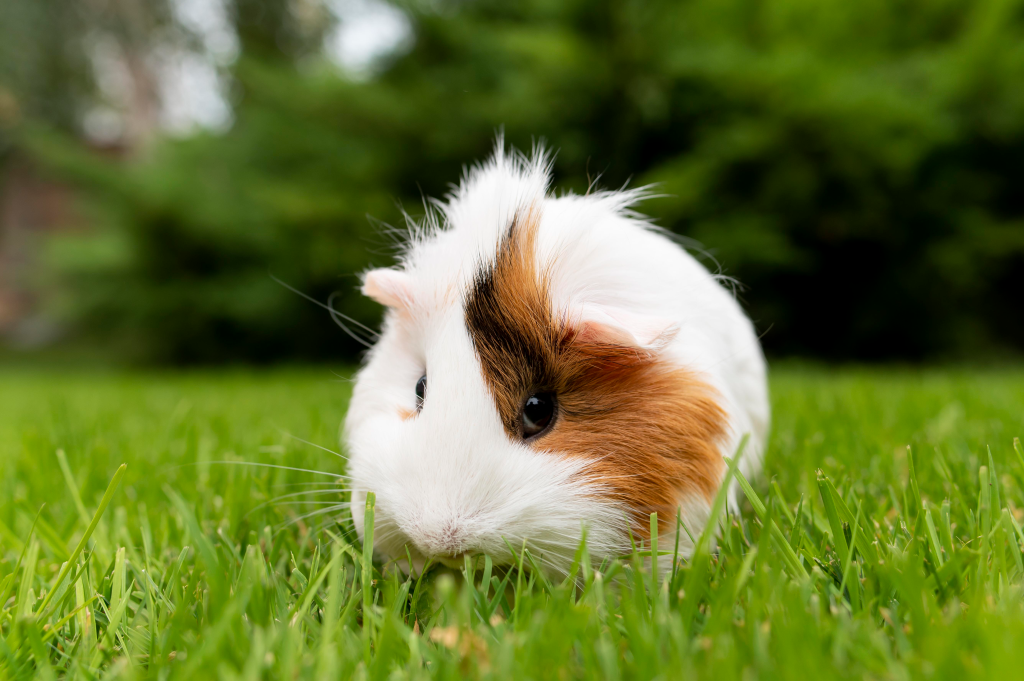

Guinea pigs are gentle, curious little creatures that thrive in calm environments. But just like humans, they can get stressed when their surroundings feel unsafe or chaotic. Building a stress-free guinea pig habitat is more than arranging a cage—it’s about creating a sanctuary where your furry friend feels secure, comfortable, and loved. In this guide, we’ll explore how to design a guinea pig habitat that supports both physical and emotional well-being.
Understanding Guinea Pig Stress
Before creating a stress-free guinea pig habitat, it’s important to recognize what causes anxiety in these sensitive pets. Guinea pigs rely heavily on routine, familiar smells, and gentle handling. Sudden changes, loud noises, or cramped spaces can trigger fear responses such as hiding, trembling, or refusing food.
Stress can lead to health problems like weight loss, hair shedding, and digestive issues. That’s why building a calm environment is essential—not just for happiness but also for long-term health.
Choosing the Right Cage Size
A comfortable home starts with space. Guinea pigs need room to roam, stretch, and play. For one guinea pig, a minimum of 7.5 square feet is recommended, but bigger is always better—especially if you have two or more.
Opt for a wide, open cage with a solid bottom rather than wire flooring, which can hurt their feet. C&C cages (cube and coroplast) are an excellent choice because they’re spacious, customizable, and easy to clean.
Place the cage in a quiet room away from drafts and direct sunlight. Think of it as choosing a peaceful neighborhood for your guinea pig—safe, cozy, and not too isolated.
Comfortable Bedding for Relaxation
The right bedding can make a world of difference in maintaining a stress-free guinea pig habitat. Choose soft, absorbent materials that keep the cage dry and odor-free. Fleece liners, paper-based bedding, or aspen shavings are ideal options. Avoid cedar or pine shavings, as their aromatic oils can irritate guinea pigs’ respiratory systems.
Regular cleaning helps prevent bacteria buildup and keeps the environment fresh. Replace soiled areas daily and perform a full bedding change at least once a week. A clean cage means a comfortable, happy pet.
Safe Hideouts and Cozy Zones
Guinea pigs are prey animals by nature, so they need hiding spots to feel safe. Providing multiple hideouts ensures they can retreat whenever they feel nervous. Small wooden houses, fabric tunnels, or cardboard boxes make perfect hideaways.
Include at least one hideout per guinea pig to prevent territorial disputes. The more secure they feel, the more confident and active they’ll become. Think of these spaces as their personal relaxation corners where stress melts away.
Ideal Temperature and Lighting
Temperature control is key to a stress-free guinea pig habitat. These pets are sensitive to heat and cold. Keep the room temperature between 65°F and 75°F (18°C–24°C). Avoid placing the cage near windows, air vents, or heaters.
Natural light helps regulate their body clock, but too much direct sunlight can cause overheating. Use soft, indirect lighting to mimic a calm, natural environment. If the room feels pleasant to you, it’s likely perfect for your guinea pig too.
Quiet Environment and Gentle Sounds
Guinea pigs have sharp hearing and can easily get startled by loud or sudden noises. Keep their habitat in a calm area of your home, away from TVs, vacuum cleaners, and slamming doors.
You can even play gentle background sounds—like soft classical music or nature sounds—to create a soothing atmosphere. This can help them feel safe and relaxed, especially during nap time or after handling sessions.
Healthy Diet and Fresh Water
Nutrition plays a vital role in reducing stress. A balanced diet ensures your guinea pig feels energetic and content. Provide unlimited fresh hay, daily servings of vitamin C-rich vegetables like bell peppers, and high-quality guinea pig pellets.
Always keep fresh water available in a clean bottle or bowl. Dehydration can quickly increase anxiety and discomfort. A well-fed and hydrated guinea pig is naturally calmer and more playful.
Daily Interaction and Social Enrichment
Guinea pigs are social animals that crave companionship. Keeping at least two guinea pigs together can prevent loneliness. However, make sure they are properly introduced and have enough space to coexist peacefully.
Spend time talking to them in a soft voice, hand-feeding treats, or gently petting them. Gradual, positive interactions build trust and strengthen your bond. Adding toys like tunnels, chew blocks, or hay balls encourages play and mental stimulation—key elements of a stress-free guinea pig habitat.
Maintaining Cleanliness and Routine
Consistency is comforting to guinea pigs. Try to feed, clean, and interact with them around the same time each day. This predictable routine reduces anxiety and builds trust.
Cleanliness also contributes to a peaceful atmosphere. Regularly remove waste, replace bedding, and wash food bowls. A tidy, odor-free environment feels like home to your guinea pigs and prevents stress-related illnesses.
Observation and Gentle Handling
Pay attention to body language. A relaxed guinea pig will explore, squeak softly, and rest comfortably. Signs of stress—such as teeth chattering, hiding constantly, or freezing—indicate discomfort.
Handle them gently, supporting their body and avoiding sudden movements. Over time, they’ll associate your touch with safety and affection, turning nervousness into trust.
Creating a Stress-Free Routine
A stress-free guinea pig habitat isn’t built overnight—it’s developed through consistency and care. Keep their environment stable, avoid frequent rearrangements, and always introduce new items gradually.
Every detail, from cage layout to lighting, influences how secure your guinea pig feels. When you meet their physical and emotional needs, you create not just a cage but a sanctuary of calm and contentment.
Adding Visual and Emotional Enrichment
Just like humans, guinea pigs benefit from variety. Rotate toys, rearrange tunnels, and occasionally introduce safe vegetables hidden as treats. These small changes keep their minds active without overwhelming them.
You can even place the cage where they can watch gentle household activity. Seeing you move about provides comfort and familiarity—a subtle reassurance that they’re part of your family.
Conclusion
Creating a stress-free guinea pig habitat is about understanding what makes your pet feel secure, comfortable, and happy. By focusing on the essentials—space, safety, routine, and interaction—you’ll transform their cage into a peaceful retreat.
When your guinea pigs feel safe, they’ll reward you with bright eyes, cheerful squeaks, and affectionate behavior. A little attention to their comfort goes a long way in building a joyful, stress-free life together.
FAQ
1. What is the best bedding for a stress-free guinea pig habitat?
Fleece liners, paper bedding, or aspen shavings are ideal. Avoid cedar or pine, as they can irritate your guinea pig’s lungs.
2. How can I tell if my guinea pig is stressed?
Look for signs like hiding, teeth chattering, refusing food, or being unusually quiet. These behaviors indicate anxiety.
3. Can loud noises stress guinea pigs?
Yes. Guinea pigs are sensitive to sound. Keep their cage in a quiet area and avoid sudden or high-volume noises.
4. Should guinea pigs live alone or in pairs?
They thrive in pairs or small groups. Companionship helps prevent loneliness and contributes to a calm environment.
5. How often should I clean the cage?
Spot clean daily and do a full bedding change weekly. Regular cleaning keeps the environment fresh and stress-free.