
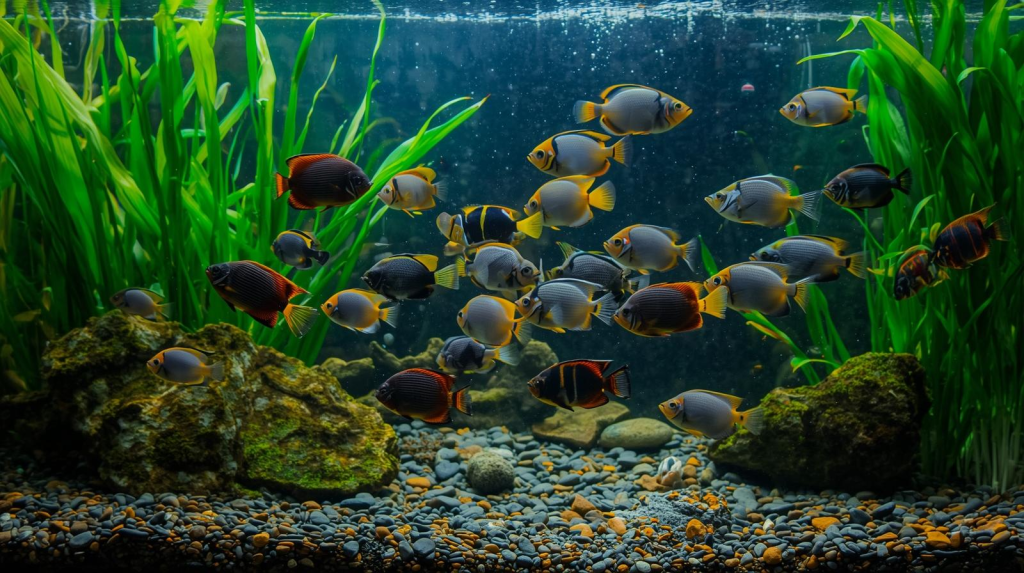

Keeping an aquarium is more than just an aesthetic hobby—it’s a living ecosystem that mirrors harmony and balance. If you’ve ever watched fish glide calmly through clear water, you know how relaxing it can be. But here’s the secret: that tranquility depends on choosing peaceful community fish that can live together without stress or conflict.
Let’s dive deep into which fish species make the best tank mates, how to maintain harmony, and what steps you can take to create a serene underwater world at home.
Understanding the Nature of Peaceful Community Fish
Not all fish are social butterflies. Some are territorial, while others are shy or schooling species that prefer safety in numbers. Peaceful community fish are those that coexist without aggression, sharing space and resources with minimal competition.
They thrive in community aquariums because their behavior, size, and dietary needs align well with others. When you select the right combination, your aquarium becomes a calm, coordinated dance of color and movement—free from stress and fin-nipping drama.
Top Peaceful Community Fish for Your Aquarium
The following species are tried-and-true favorites among aquarists who want harmony and beauty in their tanks.
1. Neon Tetra
Neon tetras are the poster fish for peaceful tanks. Their shimmering blue and red stripes catch the light beautifully, adding a flash of color to any aquarium.
They prefer to live in schools of six or more, which helps them feel secure. These fish get along wonderfully with other small, calm species such as guppies and rasboras.
2. Guppy
If you love variety, guppies are the perfect choice. With their wide range of colors and tail patterns, guppies bring vibrant life to your tank.
They’re active yet non-aggressive, making them excellent peaceful community fish. Keep them in groups to showcase their natural social behavior and watch their playful interactions unfold.
3. Corydoras Catfish
Corydoras are bottom dwellers that clean up leftover food, keeping your tank tidy while minding their own business.
These gentle catfish love company, so keeping at least five together ensures they remain happy and active. Their peaceful nature and quirky whisker movements make them endearing tank mates.
4. Platy
Platies are beginner-friendly, adaptable, and colorful. They’re highly social and coexist well with tetras, mollies, and other community species.
Their calm demeanor means they rarely cause conflict, even in moderately stocked tanks. Platies also breed easily, adding to your tank’s population if conditions are ideal.
5. Zebra Danio
Zebra danios are energetic but peaceful. Their striped bodies bring visual rhythm to the aquarium, and their lively swimming keeps things interesting.
They prefer being in groups, so aim for at least six. While they’re fast swimmers, they don’t bully or bother slower tank mates.
6. Harlequin Rasbora
These graceful, copper-colored fish are known for their schooling behavior and shy charm. They’re small, peaceful, and compatible with most other gentle species.
Harlequin rasboras do best in groups and look stunning when they move together in synchronized patterns—a living, flowing mosaic of calm energy.
7. Cherry Barb
Cherry barbs are vibrant, adaptable, and peaceful by nature. When kept in schools, they display stunning shades of red that brighten any community aquarium.
They mix well with guppies, rasboras, and corydoras, staying active without disturbing others.
Essential Tips for a Peaceful Community Aquarium
Creating a balanced aquarium isn’t just about choosing the right fish—it’s about understanding their environment and emotional needs.
Maintain the Right Water Parameters
Different fish species thrive under specific conditions. Research each species’ preferred temperature, pH level, and hardness. Stable water conditions reduce stress, keeping your peaceful community fish calm and healthy.
Avoid Overcrowding
Even the most peaceful fish get agitated when space is limited. Overcrowding leads to stress, aggression, and disease. A general rule is one inch of fish per gallon of water, but always adjust based on the species’ adult size.
Provide Plenty of Hiding Spaces
Caves, plants, and driftwood create natural boundaries that give fish safe retreats. Shy species like rasboras and corydoras feel more comfortable when they can hide or rest away from the main swimming zones.
Feed Appropriately
Competition for food can trigger aggression. Distribute food evenly across the tank and include a mix of floating and sinking pellets to ensure every fish gets its share.
Choose Compatible Species
Always research before introducing new fish. Avoid pairing gentle species with known bullies like cichlids or bettas. Compatibility charts and experienced aquarists’ advice can save you from future stress.
Plants and Decor for a Calm Environment
Peaceful fish thrive in environments that mimic their natural habitats. Live plants such as Java fern, anubias, and Amazon swords not only enhance aesthetics but also improve oxygenation and water quality.
Soft lighting and natural decor reduce stress levels. A densely planted tank creates a feeling of safety, encouraging your peaceful community fish to display natural behavior and vibrant colors.
Common Mistakes That Disrupt Aquarium Harmony
Even well-meaning aquarists can make mistakes that upset the delicate balance of their tanks. Avoid these common pitfalls to maintain lasting peace.
Mixing Aggressive Species
Introducing aggressive fish like tiger barbs or certain gouramis can quickly turn your peaceful tank into a battlefield. Always check temperament before adding new species.
Ignoring Quarantine Procedures
New fish can carry diseases or parasites that spread quickly in community aquariums. Always quarantine new arrivals for at least two weeks before adding them to your main tank.
Neglecting Maintenance
Dirty water, ammonia spikes, and algae overgrowth create stress and weaken immunity. Regular water changes—about 25% weekly—keep your peaceful community fish healthy and active.
Building the Ideal Community Aquarium Setup
Think of your tank as a mini-ecosystem where each species plays a role.
Start by planning the tank size—larger aquariums provide more swimming space and stable conditions. Add a mix of top, middle, and bottom-dwelling fish for balanced movement throughout the water column.
For example, neon tetras can occupy the mid-level zone, while corydoras clean the bottom and guppies bring color near the top. This layering creates a visually appealing and harmonious aquatic environment.
Conclusion
A peaceful aquarium is like a living work of art—calm, colorful, and ever-changing. By selecting the right peaceful community fish, maintaining stable conditions, and providing enough space and shelter, you’ll create an environment where every fish thrives.
Harmony underwater doesn’t happen by accident—it’s built through knowledge, patience, and care. When your fish are happy, your aquarium becomes a tranquil centerpiece that soothes both the eyes and the soul.
FAQ
1. What makes a fish peaceful for community tanks?
Peaceful fish are non-aggressive, sociable, and compatible with others of similar size and temperament. They don’t claim territories or nip at fins.
2. How many peaceful community fish can I keep together?
That depends on your tank size. Generally, one inch of fish per gallon is safe, but larger tanks offer more flexibility for schooling species.
3. Can peaceful fish live with semi-aggressive species?
Only with caution. Some semi-aggressive species may coexist under the right conditions, but it’s best to avoid the risk in small or medium aquariums.
4. What’s the best temperature for peaceful community fish?
Most thrive in 72–78°F (22–26°C). However, always check the preferred range of each species to ensure compatibility.
5. How do I introduce new fish to a community aquarium?
Float the bag in your tank for 15 minutes to match temperatures, then slowly mix tank water into the bag before gently releasing them. This reduces stress and prevents shock.