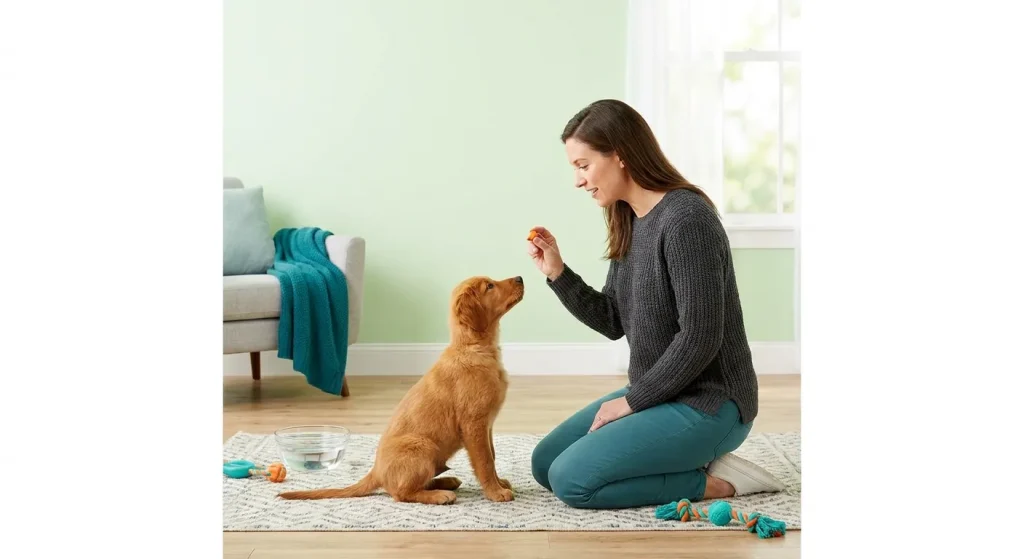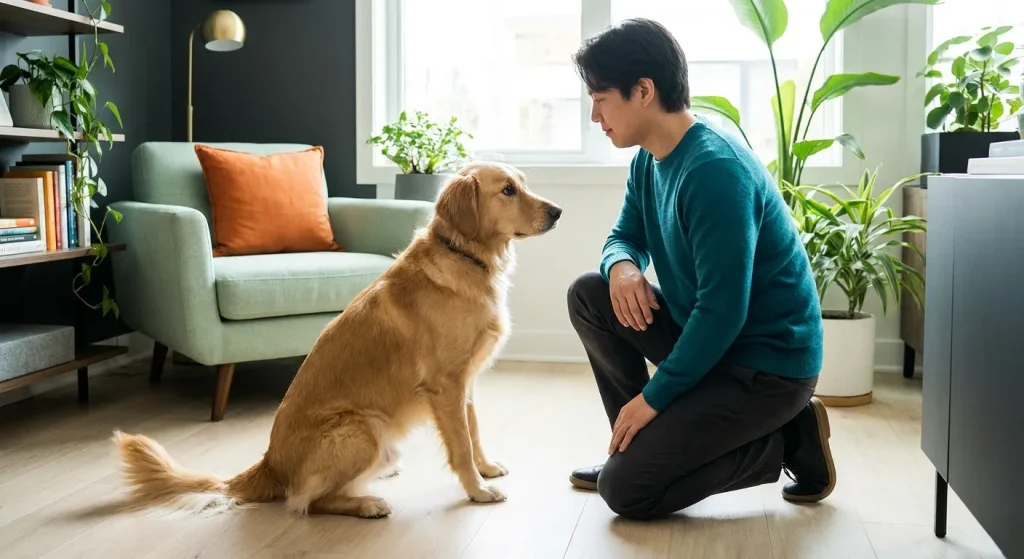

Dogs are incredibly intelligent creatures who crave both physical and mental challenges. While daily walks and playtime help keep their bodies fit, their minds need just as much stimulation. Without it, boredom sets in—and that can lead to chewing furniture, digging holes, or constant barking. That’s where brain games for dogs come in. These activities don’t just stop boredom; they also improve focus, confidence, and obedience. Let’s explore the best ways to engage your dog’s mind and turn everyday play into fun learning.
Why Mental Stimulation Matters for Dogs
Imagine being stuck in the same room all day with nothing to do. That’s what life feels like for a bored dog. Mental stimulation gives them a purpose and channels their energy productively. It also helps reduce anxiety and destructive behavior.
When dogs solve problems, like finding a hidden treat or mastering a puzzle toy, they release dopamine—the same “feel-good” chemical that humans get from completing a task. Over time, this mental engagement strengthens their brain, sharpens focus, and builds emotional balance.
Just like people, dogs thrive when they feel challenged and rewarded.
How Brain Games Help Prevent Boredom
Brain games for dogs work by giving them small, manageable challenges that engage their natural instincts—sniffing, hunting, and problem-solving. These games turn everyday routines into opportunities for fun learning.
Dogs that regularly engage in brain games are calmer, more confident, and easier to train. They learn to think before acting, and that translates into better behavior both at home and outdoors. Plus, mental exercise can tire out a dog as effectively as a long walk.
When your pup’s mind stays active, their body follows. It’s the perfect recipe for a balanced, happy dog.
Best Brain Games for Dogs
Ready to give your dog’s brain a workout? Here are some of the top brain games to stop boredom and build stronger communication between you and your pup.
1. The Shell Game
This classic brain game is simple yet brilliant. Take three cups and hide a treat under one while your dog watches. Shuffle them around and ask your dog to find the treat.
It sharpens focus, builds patience, and enhances memory. Start slow and reward small successes to keep your dog motivated.
Once they master it, increase the difficulty by adding more cups or using smaller treats.
2. Hide and Seek
Dogs love using their noses, and this game taps into that natural instinct. Hide behind a door, couch, or in another room, and call your dog’s name. When they find you, reward them with praise or a treat.
It’s a playful way to reinforce recall training while stimulating their scent-tracking ability. You can also hide toys or treats around the house for an added challenge.
3. Puzzle Toys
Interactive puzzle toys are a great investment for daily mental exercise. These toys challenge dogs to solve problems to access hidden treats.
Start with simple puzzles and move up to more complex ones as your dog improves. Popular designs include sliding panels, spinning discs, and layered compartments.
They’re perfect for keeping your dog occupied while you’re busy or away from home. Just remember to rotate the toys occasionally to maintain novelty.
4. Snuffle Mats
Snuffle mats mimic the foraging experience of searching for food in grass or leaves. You sprinkle treats or kibble into the mat’s fabric layers, and your dog uses their nose to find them.
This slow-feeding activity helps reduce fast eating and turns mealtime into a mentally rewarding experience. Dogs find it relaxing yet stimulating—a perfect balance of fun and focus.
5. DIY Obstacle Course
You don’t need a fancy agility setup to challenge your dog. Use household items like chairs, broomsticks, cushions, and tunnels to create a mini obstacle course.
Teach your dog to jump, crawl, or weave through obstacles. Use verbal cues, hand signals, and treats to guide them through the course.
Not only does this improve coordination and obedience, but it also deepens your communication as a team.
6. Muffin Tin Challenge
This easy DIY puzzle turns snack time into a fun brain exercise. Place treats in the cups of a muffin tin and cover some with tennis balls. Your dog must figure out how to move the balls to reach the treats.
It’s perfect for quick indoor enrichment sessions. Plus, it encourages problem-solving and builds paw-eye coordination.
7. Toy Name Training
This game takes your dog’s learning to the next level. Start by naming a favorite toy—say, “ball.” Encourage your dog to fetch it and reward them when they do. Gradually introduce other toys with unique names.
Over time, dogs can learn to identify multiple objects by name. This game keeps their mind sharp and enhances communication between you and your pup.
8. Treat Treasure Hunt
Hide small treats around the yard or house and let your dog sniff them out. Use simple clues at first, like placing treats behind furniture or under rugs.
As your dog gets better, make it more challenging by hiding treats in harder-to-find spots. This game encourages exploration, confidence, and natural hunting instincts.
When to Play Brain Games
Timing matters. Play when your dog has moderate energy—not right after a long walk or when they’re overly excited. A calm but curious mindset helps them learn faster.
Short sessions of 10–15 minutes are ideal, especially when introducing new games. As your dog becomes more focused, you can extend playtime gradually.
Consistency is key. A few minutes of mental exercise every day can make a big difference in your dog’s overall happiness and behavior.
Tips for Successful Brain Training
To get the best results from these brain games for dogs, follow a few simple tips:
- Keep sessions short and positive.
- Use high-value treats to maintain motivation.
- Gradually increase difficulty as your dog improves.
- End on a win—always finish with success and praise.
- Be patient and have fun together.
Your enthusiasm sets the tone. When you enjoy the process, your dog does too. Every challenge solved builds trust, confidence, and a stronger bond.
Signs Your Dog Needs More Mental Stimulation
It’s easy to spot the signs of boredom once you know what to look for. If your dog starts digging, barking excessively, chewing on furniture, or pacing around the house, they might be craving more mental exercise.
Other signs include restlessness, attention-seeking behavior, and lack of focus during training. Introducing regular brain games can reduce these issues dramatically and bring back calm, balanced behavior.
The Long-Term Benefits of Brain Games
Brain games don’t just fill time—they transform your dog’s mental health and behavior. Over time, you’ll notice your dog becoming more patient, less reactive, and quicker to learn new commands.
Older dogs especially benefit, as mental stimulation helps slow cognitive decline. Puppies, on the other hand, develop sharper focus and stronger problem-solving skills early on.
In short, brain games for dogs are one of the simplest, most rewarding ways to nurture a well-rounded, happy companion.
Conclusion
Keeping your dog’s mind active is just as important as daily walks or nutritious meals. Brain games for dogs provide that essential mental workout—stimulating their curiosity, reducing boredom, and strengthening your bond.
Whether it’s a snuffle mat, puzzle toy, or a game of hide-and-seek, the goal is simple: make your dog think, explore, and have fun. With a little creativity, you can turn everyday play into a mental adventure that keeps tails wagging and minds sharp for years to come.
FAQ
1. How often should I play brain games with my dog?
Aim for 10–20 minutes of brain games daily. Regular short sessions are better than occasional long ones.
2. Can brain games replace walks?
No. They complement physical exercise but don’t replace it. Dogs need both mental and physical stimulation for overall well-being.
3. Are brain games suitable for puppies?
Yes, but start with simple games. Puppies have shorter attention spans, so keep sessions brief and fun.
4. What’s the best brain game for senior dogs?
Snuffle mats and slow puzzle feeders are ideal for older dogs. They’re low-impact but still mentally engaging.
5. Can brain games help with behavior problems?
Absolutely. Many behavior issues stem from boredom. Mental challenges can reduce anxiety and destructive habits significantly.