
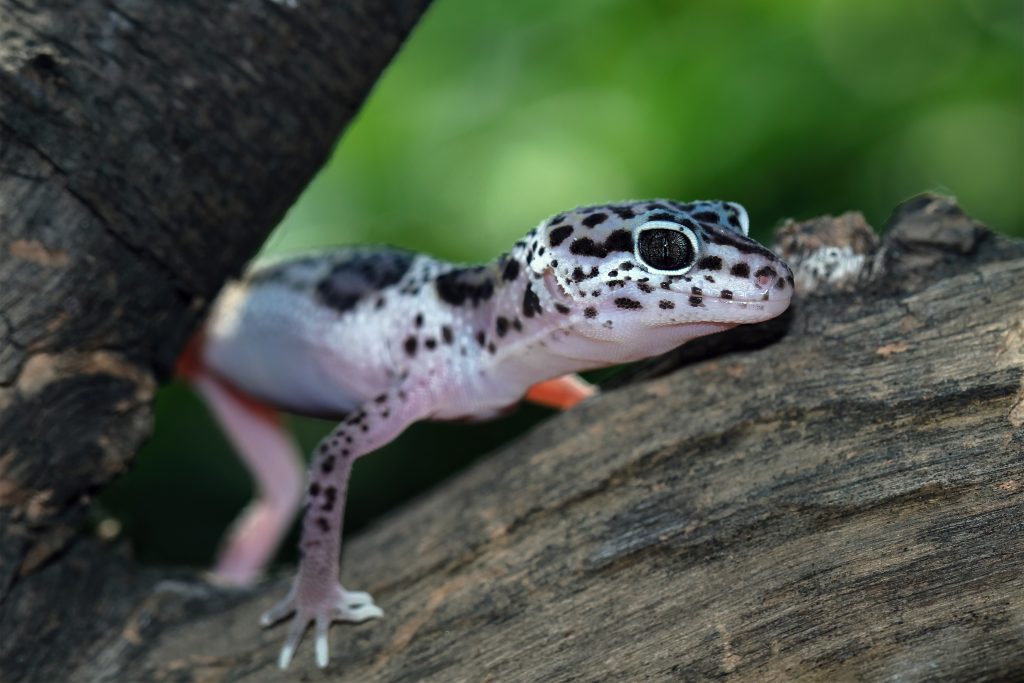

Creating the perfect home for your gecko is about more than just looks. It’s about comfort, safety, and mimicking nature as closely as possible. A well-built gecko habitat ensures your reptile thrives, not just survives. Whether you’re caring for a leopard gecko, crested gecko, or tokay gecko, understanding their environmental needs is key. Let’s explore how to build a gecko habitat that supports a happy, healthy pet from the ground up.
Understanding Your Gecko’s Natural Habitat
Before you buy supplies, it’s essential to know where your gecko comes from. Geckos live in diverse environments—some in hot deserts, others in humid rainforests. This difference changes everything about how you build their habitat.
Desert species like leopard geckos thrive in dry, warm environments with plenty of hiding spots. In contrast, tropical species like crested geckos need moisture, climbing structures, and moderate temperatures. Think of it this way: your terrarium should feel like your gecko’s natural “home away from home.”
Pay attention to:
- Temperature: Between 75°F–90°F for desert species; 70°F–82°F for tropical types.
- Humidity: 30–40% for dry environments, 60–80% for humid species.
- Lighting: Geckos are nocturnal but still need day-night cycles for good health.
Matching these conditions gives your pet stability, which reduces stress and supports healthy behavior.
Choosing the Right Enclosure for Your Gecko
The enclosure is the foundation of your gecko’s world. Size, ventilation, and material all matter. It’s like picking the right house before decorating it.
- Size: Adult geckos need at least a 20-gallon tank, though bigger is always better. Vertical space is vital for climbers like crested geckos, while leopard geckos prefer more floor space.
- Material: Glass terrariums are ideal because they retain heat and allow visibility. Avoid plastic bins unless used temporarily.
- Ventilation: Proper airflow prevents mold and maintains humidity balance. A mesh lid is perfect for this.
- Security: Ensure the lid locks tightly. Geckos are escape artists—they can squeeze through surprising gaps.
A thoughtfully chosen enclosure not only looks appealing but also promotes your gecko’s comfort and safety every day.
Setting Up the Perfect Substrate
The substrate, or bedding, influences everything from cleanliness to humidity. The wrong choice can lead to health issues like impaction, where a gecko swallows unsafe particles.
For leopard geckos, use reptile carpet, paper towels, or slate tiles—these are safe and easy to clean. For crested geckos, choose coco fiber, orchid bark, or moss to retain moisture. Avoid loose sand, gravel, or wood chips, as they can cause blockages if ingested.
A good rule of thumb: if it wouldn’t feel comfortable to lie on, it’s not right for your gecko. Keep the substrate dry for desert species and slightly damp for tropical ones to match natural conditions.
Creating Temperature and Lighting Zones
Geckos rely on external heat to regulate their body temperature. This means you need to provide both warm and cool zones inside their habitat.
Use a heat mat or ceramic heat emitter on one side of the tank to create a basking area. The opposite side should stay cooler, allowing your gecko to move between zones as needed. This temperature gradient mimics their natural behavior in the wild.
While most geckos don’t need UVB lighting, a low-level UVB bulb can help with vitamin D3 synthesis and calcium absorption. Keep lights on for about 10–12 hours a day to simulate a natural day-night rhythm. Always monitor temperatures with a digital thermometer and adjust heat sources carefully.
Maintaining Humidity and Hydration
Humidity plays a big role in your gecko’s comfort and shedding health. Tropical geckos, in particular, need consistent moisture to avoid dry skin or respiratory problems.
For species like crested geckos:
- Mist the enclosure once or twice daily.
- Add live plants or moss to retain humidity.
- Use a hygrometer to track moisture levels.
For leopard geckos:
- Provide a moist hide—a small container with damp moss or paper towels—to help during shedding.
Always keep a shallow water dish available and change the water daily. Cleanliness is essential to prevent bacteria buildup. Just like us, geckos appreciate fresh water and clean surroundings.
Decorating the Gecko Habitat for Comfort and Enrichment
Now comes the fun part—turning your gecko’s enclosure into a miniature paradise. Decoration isn’t just for aesthetics; it provides mental stimulation and exercise.
Include:
- Hiding spots: One on the warm side, another on the cool side. Geckos need security to feel calm.
- Climbing branches: Perfect for crested and tokay geckos who love vertical exploration.
- Rocks and ledges: Encourage natural behaviors like basking and hiding.
- Live or artificial plants: Add humidity and visual appeal.
Every feature you add should serve a purpose. Think of it like interior design for reptiles—balanced, functional, and natural-looking.
Feeding, Cleaning, and Long-Term Care
A beautiful habitat means little if maintenance is ignored. Regular care keeps your gecko healthy and happy.
Feeding:
Most geckos eat a diet of live insects like crickets, mealworms, or roaches. Dust feeders with calcium and vitamin supplements at least twice a week. Crested geckos can also enjoy commercial fruit mixes or mashed fruit as part of their routine.
Cleaning:
Spot-clean daily by removing waste and uneaten food. Do a deep clean every two to four weeks—replace substrate, disinfect decorations, and rinse thoroughly.
Observation:
Pay attention to changes in behavior. Lethargy, loss of appetite, or dull skin can signal problems. Early detection prevents serious health issues.
Keeping up with these simple routines creates an environment where your gecko thrives—not just exists.
Conclusion
Building the perfect gecko habitat is a rewarding journey that blends care, design, and observation. When your gecko feels safe, warm, and stimulated, it shows through active movement, healthy shedding, and regular feeding. By understanding your pet’s natural environment and tailoring their space with the right balance of warmth, humidity, and enrichment, you’ll create a little slice of paradise inside a glass tank.
A happy gecko doesn’t just live—it thrives. And that’s the true mark of a pet owner who’s done it right.
FAQ
1. What size tank is best for a gecko?
A 20-gallon tank works well for most adult geckos. If your species climbs, choose a taller tank for vertical movement.
2. How often should I clean my gecko’s habitat?
Spot-clean daily and perform a full deep clean every two to four weeks for hygiene and odor control.
3. Do geckos need UVB lighting?
Not always, but a low-level UVB bulb supports calcium absorption and overall well-being.
4. What’s the ideal humidity for geckos?
It depends on the species. Desert geckos need 30–40% humidity, while tropical types require 60–80%.
5. Can I keep two geckos together?
It’s not recommended, especially for males. Geckos are territorial and may fight over space or dominance.