
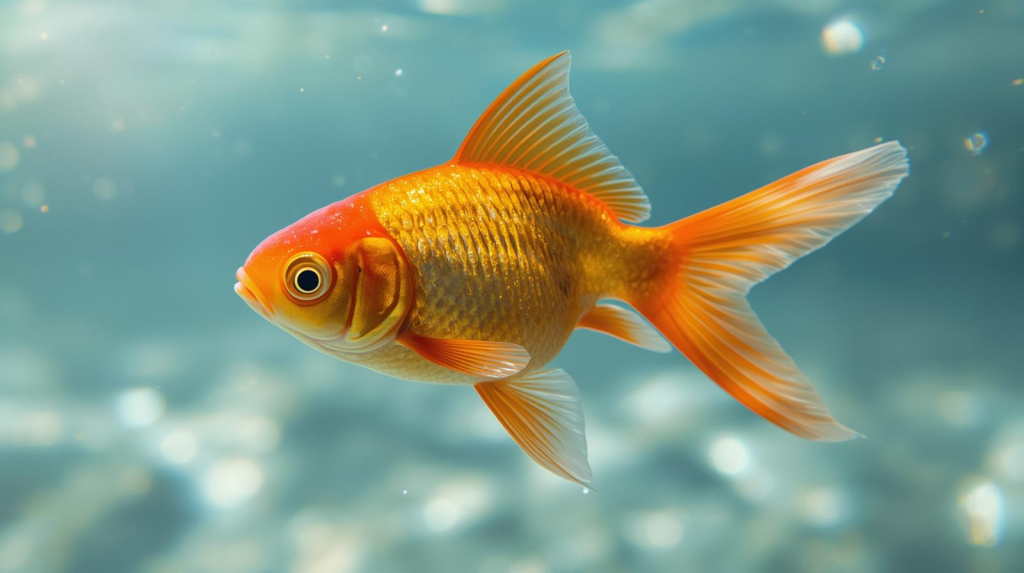

Goldfish are beautiful, peaceful creatures that bring life to any aquarium. But like humans, they can experience stress — and when they do, it can quickly lead to illness or even death. If your fish are acting strangely, hiding, or losing their color, stress may be the hidden culprit. The good news? You can easily spot the warning signs and take steps to reduce stress in goldfish before it becomes serious.
Let’s explore how to identify stress in goldfish, what causes it, and how you can create a calm, healthy environment for them to thrive.
Understanding Stress in Goldfish
Stress in goldfish is a physical and behavioral response to changes or challenges in their environment. When something feels “off,” their bodies release hormones that prepare them to react — just like humans do under pressure. However, prolonged stress weakens their immune system and leaves them vulnerable to diseases such as ich, fin rot, or swim bladder disorder.
Recognizing stress early helps prevent these issues and ensures your goldfish live longer, happier lives.
Common Causes of Stress in Goldfish
Goldfish are hardy fish, but they have specific needs. When these aren’t met, stress levels rise. Let’s look at the main triggers that may be affecting your fish.
1. Poor Water Quality
One of the biggest causes of stress in goldfish is dirty or unbalanced water. Goldfish produce a lot of waste, and without proper filtration, ammonia and nitrite levels spike — both of which are toxic. Even slightly elevated levels can irritate their gills and cause lethargy.
Regular testing and weekly water changes are essential to reduce stress in goldfish. Keep ammonia and nitrite at zero and nitrates below 40 ppm. Also, always use a water conditioner to remove chlorine and chloramine from tap water.
2. Sudden Temperature Changes
Goldfish prefer stable water temperatures between 65°F and 75°F (18°C–24°C). Rapid changes shock their system and increase stress. Avoid placing the tank near heaters, windows, or air vents. If your home fluctuates in temperature, use a reliable aquarium thermometer and heater to keep conditions stable.
3. Overcrowding
Too many fish in one tank can lead to competition for oxygen and space, both of which heighten anxiety. A general rule is one inch of fish per gallon of water, but goldfish need even more room. A single adult goldfish requires at least 20 gallons of water. Overcrowding not only causes stress but also leads to faster waste buildup.
4. Poor Diet or Overfeeding
Feeding your goldfish the wrong food or too much of it can cause digestive issues and stress. Offer high-quality goldfish pellets or flakes, and supplement with blanched peas or vegetables for variety. Feed small portions once or twice a day — whatever they can consume in two minutes.
5. Aggressive Tankmates
Goldfish are social but peaceful creatures. If you notice torn fins or hiding behavior, they might be bullied. Avoid housing them with aggressive fish like cichlids or fin-nippers. Even other goldfish can sometimes compete for food, so keep an eye on their interactions.
How to Spot Stress in Goldfish
Goldfish can’t tell you they’re stressed, but their behavior and appearance often reveal the truth. Here’s what to watch for:
1. Erratic Swimming
If your goldfish is darting, rubbing against objects, or swimming frantically, it could be reacting to irritation or poor water conditions.
2. Clamped Fins
When fins are held close to the body, it’s a sign your goldfish isn’t feeling well. Clamped fins often indicate discomfort, poor water quality, or illness.
3. Lethargy or Hiding
A stressed fish might stay at the bottom of the tank or hide behind decorations. While occasional rest is normal, persistent hiding signals a deeper issue.
4. Loss of Appetite
If your goldfish stops eating, stress could be suppressing its appetite. Check for sudden environmental changes or signs of illness.
5. Color Fading
Vibrant colors can dull quickly under stress. If your goldfish’s bright orange starts to fade, it’s time to inspect the tank’s conditions.
Practical Ways to Reduce Stress in Goldfish
Now that you can spot the signs, let’s talk about how to make your goldfish feel calm, comfortable, and secure in its environment.
1. Maintain Clean Water
Clean water is the foundation of a stress-free aquarium. Perform 25–30% water changes weekly, vacuum the substrate to remove waste, and ensure your filter runs efficiently. Remember to clean the filter media gently in tank water, not tap water, to preserve beneficial bacteria.
2. Create a Stable Environment
Consistency is key. Keep lighting and feeding schedules regular, maintain temperature stability, and minimize tank movement or loud noises around the aquarium. Goldfish thrive in predictable routines.
3. Provide Hiding Spaces
Even though goldfish are social, they appreciate safe zones. Add plants, rocks, or ornaments that create shaded hiding spots. These give them places to retreat when startled or stressed.
4. Choose Compatible Tankmates
If you want multiple fish, select calm, non-aggressive species that share similar care requirements. Good companions include other goldfish varieties or peaceful bottom dwellers like dojo loaches.
5. Feed a Balanced Diet
Offer a variety of foods to meet their nutritional needs. A mix of pellets, flakes, and occasional fresh veggies keeps goldfish healthy. Avoid overfeeding — uneaten food decays quickly and raises toxin levels, causing stress.
6. Avoid Sudden Changes
Goldfish don’t like surprises. Whether it’s a new decoration, water change, or tank relocation, introduce changes gradually. Always acclimate your fish to new water temperatures to prevent shock.
7. Reduce Noise and Vibrations
Loud sounds or frequent tapping on the tank glass can stress your fish. Keep their tank in a quiet area away from constant traffic, speakers, or children’s play zones.
Preventing Future Stress Episodes
Reducing stress in goldfish isn’t a one-time fix — it’s a routine. Prevention keeps your fish happy and resilient. Make a habit of:
- Monitoring water quality weekly with test kits
- Keeping up with partial water changes
- Observing your fish daily for behavioral changes
- Avoiding overstocking and poor filtration
- Providing enrichment through plants or slow-flow water features
Think of your aquarium as a mini-ecosystem — stability keeps everything in balance. A consistent environment is the best way to prevent future stress in goldfish.
When to Seek Help
Sometimes, stress leads to infections or diseases that require professional attention. If your goldfish displays white spots, torn fins, bloating, or refuses food for several days, consult a vet who specializes in aquatic pets. Early intervention can make all the difference.
Conclusion
Goldfish are more sensitive than they appear. Stress can creep in quietly, but with attentive care and a calm environment, you can easily keep it under control. Clean water, a stable habitat, proper diet, and peaceful surroundings all play a vital role in reducing stress in goldfish.
When your fish swim gracefully, display bright colors, and eagerly greet you at feeding time, you’ll know you’ve succeeded in creating a happy, healthy home. Remember — a calm tank leads to calm goldfish.
FAQ
1. How do I know if my goldfish is stressed?
Look for signs like clamped fins, erratic swimming, hiding, loss of appetite, or fading color. These are common indicators of stress.
2. Can poor water quality stress goldfish?
Yes. High ammonia, nitrite, or nitrate levels can irritate your fish’s gills and cause severe stress or illness.
3. How often should I change goldfish tank water?
Change 25–30% of the water weekly to keep the environment clean and reduce stress in goldfish.
4. Do goldfish need a heater?
Most goldfish do well in room temperature water, but if your home gets very cold, a heater can help maintain stable conditions.
5. Can goldfish recover from stress?
Absolutely. With proper care, a calm environment, and consistent water maintenance, most goldfish recover from stress within a few days.