
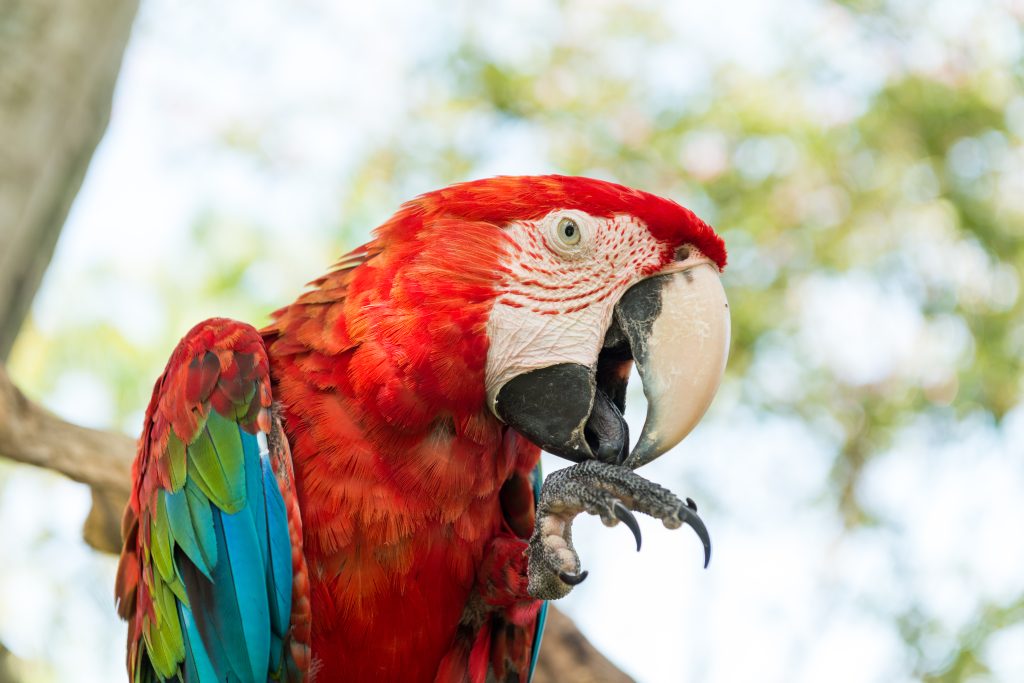

If you’ve ever flinched from a sudden parrot bite or covered your ears during a screaming fit, you’re not alone. These intelligent, emotional birds can sometimes display challenging behaviors that leave owners feeling helpless. But here’s the truth — biting and screaming aren’t signs of a “bad bird.” They’re cries for communication, attention, and understanding.
By learning why parrots bite and how to respond calmly, you can rebuild trust and create harmony in your home. Let’s explore how to turn those noisy, nippy moments into peaceful companionship.
Understanding Why Parrots Bite
Parrots don’t bite to be mean. Their beaks are tools for communication, defense, and exploration. When a parrot bites, it’s often trying to tell you something — it’s scared, frustrated, or misunderstood.
Common Triggers That Cause Biting
Parrots bite for many reasons, and the first step to stopping it is identifying what’s behind the behavior. Common triggers include:
- Fear or surprise: Sudden movements or loud noises can cause defensive biting.
- Territorial behavior: Parrots may bite when you reach into their cage or invade their space.
- Hormonal changes: During breeding season, parrots can become protective or moody.
- Frustration or boredom: Without enough mental stimulation, parrots may lash out for attention.
- Mixed signals: Inconsistent handling or misreading body language can confuse your bird.
Learning your parrot’s body cues — like fluffed feathers, pinned eyes, or raised crests — can prevent bites before they happen.
How Fear and Stress Lead to Aggression
Parrots are prey animals. When they feel trapped or threatened, their instincts kick in. Fear bites are the most common and often occur when a parrot feels cornered.
Stress also plays a major role. A noisy environment, lack of routine, or frequent handling changes can push even the calmest parrot to the edge. Remember, biting is communication — not malice. The goal is to replace fear with trust.
Why Parrots Scream Excessively
Every parrot screams at some point. It’s how they communicate in the wild — calling flockmates, signaling danger, or demanding attention. However, when those natural calls turn into ear-piercing shrieks that don’t stop, something deeper is going on.
Difference Between Normal Calls and Screaming
A happy morning squawk is normal. But prolonged, repetitive screaming means something’s off. The difference lies in context and intensity.
- Normal calling: Happens at dawn or dusk, brief, and responsive.
- Excessive screaming: Constant, attention-seeking, or triggered by loneliness or stress.
Knowing when your parrot’s sound is natural helps you respond appropriately — with calm consistency instead of frustration.
Emotional and Environmental Causes of Screaming
Parrots are social creatures that crave connection. When left alone too long, they may scream to bring you back. Other causes include:
- Lack of stimulation: Parrots need toys, foraging, and conversation.
- Sudden changes: Moving cages, new people, or schedule disruptions can unsettle them.
- Attention-seeking: If screaming earns your reaction — even a scolding — your bird learns that it works.
- Poor sleep or lighting: Too much artificial light or interrupted rest can heighten irritability.
By addressing emotional and environmental triggers, you’re halfway to stopping the noise for good.
How to Stop Biting and Screaming for Good
Ending biting and screaming starts with understanding, not punishment. Parrots respond to patience and consistency — not force.
Gentle Behavior Training Techniques
The best training methods use positive reinforcement. Reward calm behavior and ignore unwanted actions. For example:
- Offer treats when your parrot steps up gently.
- Speak softly when it’s quiet to reinforce calm moments.
- Use consistent cues, like “step up,” to avoid confusion.
Never yell or physically punish your bird. It only increases fear and aggression. Instead, redirect their energy toward chew toys, talking, or trick training.
Building Trust and Reducing Fear
Trust takes time — especially if your parrot has had negative experiences. Spend time nearby without touching. Talk softly. Offer treats through the bars before trying to handle them.
Slowly, your parrot will learn that your presence means safety, not threat. Consistency, patience, and predictable routines build the foundation for lifelong trust.
Creating a Calm Environment for Your Parrot
Environment shapes behavior more than you think. A parrot that feels safe and entertained is far less likely to bite or scream.
Enrichment, Routine, and Positive Attention
A well-adjusted parrot needs:
- Daily stimulation: Rotate toys, introduce puzzle feeders, and encourage foraging.
- Predictable routines: Parrots thrive on knowing when it’s playtime, mealtime, and bedtime.
- Quiet hours: Ensure 10–12 hours of dark, uninterrupted sleep each night.
- Positive interaction: Short, frequent play sessions are better than inconsistent attention.
If your parrot screams, stay calm. Wait for silence before responding. This teaches them that quiet earns attention, not noise.
Adding background sounds like soft music or nature tracks can also help calm lonely or anxious birds.
When to Seek Professional Help
Sometimes, despite your best efforts, biting or screaming persists. If your parrot shows sudden changes in behavior, it could signal illness, pain, or deep-rooted trauma.
Consult an avian veterinarian first to rule out medical issues. Then consider working with a certified avian behaviorist. Professionals can identify subtle cues and customize a training plan to fit your bird’s temperament.
Seeking help isn’t failure — it’s commitment to your parrot’s wellbeing.
Conclusion
Parrots don’t bite or scream out of spite. They communicate through behavior. Once you understand the why, you can teach them new ways to express themselves with trust and calmness.
With consistency, compassion, and a peaceful environment, your parrot will learn that your home is a safe flock — one where biting fades and screaming quiets into soft chatter.
FAQ
1. Why does my parrot suddenly bite me?
Sudden biting often happens because of fear, hormones, or environmental stress. Observe triggers and avoid reacting angrily.
2. How can I tell if my parrot is scared or angry?
Watch for body language. Fluffed feathers, wide eyes, or leaning away usually mean fear. Lunging or growling may indicate anger.
3. What’s the fastest way to stop a parrot from screaming?
Don’t yell back. Wait for quiet moments, then reward calm behavior. Consistency teaches your bird that silence brings attention.
4. Can parrots grow out of biting?
Yes, with time and positive training. Building trust and reducing fear helps most parrots outgrow biting completely.
5. Should I cover my parrot’s cage when it screams?
Only use a cover for bedtime, not punishment. Covering during screams can increase stress instead of solving the problem.