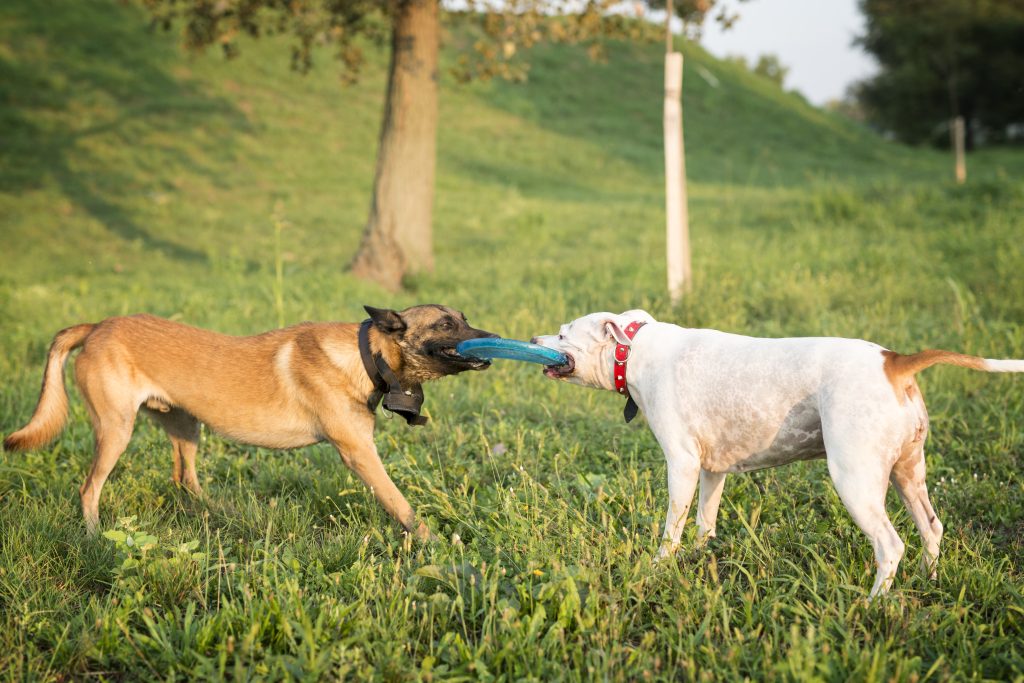
Living with more than one dog can be incredibly rewarding—until tempers flare. When two dogs clash, the chaos can be frightening, loud, and even dangerous. If your once-harmonious home has turned into a battlefield, you’re not alone. Many dog owners face this challenge, but the good news is that you can stop fights between dogs at home and rebuild harmony with patience, awareness, and strategy.
Let’s explore how to identify what triggers these fights, stop them safely, and prevent them from happening again.
Understanding Why Dogs Fight
Before you can stop fights between dogs, you need to understand why they happen. Dogs rarely fight without reason, even if it seems sudden to us. The triggers are often rooted in instinct, competition, or confusion.
Common Triggers Behind Dog Fights
- Territorial behavior: Dogs are protective of their space, toys, or favorite resting spots.
- Resource guarding: Food, bones, and even attention from you can cause tension.
- Hierarchy disputes: Dogs naturally establish a social order, and sometimes that structure gets challenged.
- Overstimulation: Rough play, excitement, or stress can quickly escalate into aggression.
- Health issues: Pain or illness can make a dog irritable and more likely to lash out.
By observing your dogs closely, you can often pinpoint the root cause. Once you know why the fights happen, you’re one step closer to stopping them for good.
How to Stop a Dog Fight Safely
When two dogs are fighting, instinct often tells you to jump in—but that can be risky. Breaking up a fight the wrong way can result in serious injury to you or your pets. Instead, use calm, controlled methods that reduce harm while reestablishing control.
Stay Calm and Avoid Yelling
Yelling may seem natural, but it often fuels the aggression. Instead, use a firm, commanding tone. Dogs feed off your energy—if you stay calm, it helps them de-escalate faster.
Interrupt the Fight Without Touching
Use distractions or barriers instead of your hands.
Try these safe methods:
- Loud noise: Clap your hands, bang two pans together, or use a whistle.
- Water spray: A quick mist from a spray bottle can startle and separate them.
- Blanket method: Toss a blanket or towel over one of the dogs to disrupt visual contact.
Separate and Redirect
Once they stop, guide each dog into a different room or crate. Give them time to calm down before allowing them to see each other again. Avoid punishment—this can heighten anxiety and lead to more fights later.
After the Fight: What to Do Next
Stopping the fight is only step one. To stop fights between dogs at home for good, you need to manage what happens after the fight just as carefully.
Check for Injuries
Even minor fights can cause hidden wounds. Examine both dogs for cuts, punctures, or limping. If you spot bleeding or swelling, call your vet right away.
Allow Time Apart
Give both dogs time to decompress. Just like people, dogs need space after an argument. This break helps lower adrenaline and reduces the chance of another clash.
Reintroduce Gradually
After they’ve calmed down, reintroduce them in a neutral area—like a backyard or open room. Keep both leashed and reward calm behavior with treats and praise. Avoid triggers like food, toys, or petting during this process.
Preventing Future Dog Fights at Home
The best way to stop fights between dogs is to prevent them from starting. Prevention involves consistency, structure, and understanding your dogs’ needs.
Establish Clear Leadership
Dogs feel safer when they know who’s in charge—you. Be consistent with rules, enforce them fairly, and don’t play favorites. When both dogs respect your leadership, competition decreases.
Feed Separately
Never let dogs share a bowl or eat side by side if they’ve shown food aggression. Feed them in different rooms or crates to avoid conflict.
Manage High-Value Items
If certain toys, bones, or spaces cause fights, remove or control access. Keep playtime structured and supervised.
Exercise and Mental Stimulation
Bored dogs often become frustrated dogs. Walks, training games, and puzzle toys help release energy and reduce aggression. When both dogs are mentally and physically satisfied, they’re less likely to fight.
Training Tips to Restore Harmony
To stop fights between dogs permanently, training and socialization must become part of daily life. Building positive associations between your dogs helps them learn trust and cooperation.
Reward Calm Behavior
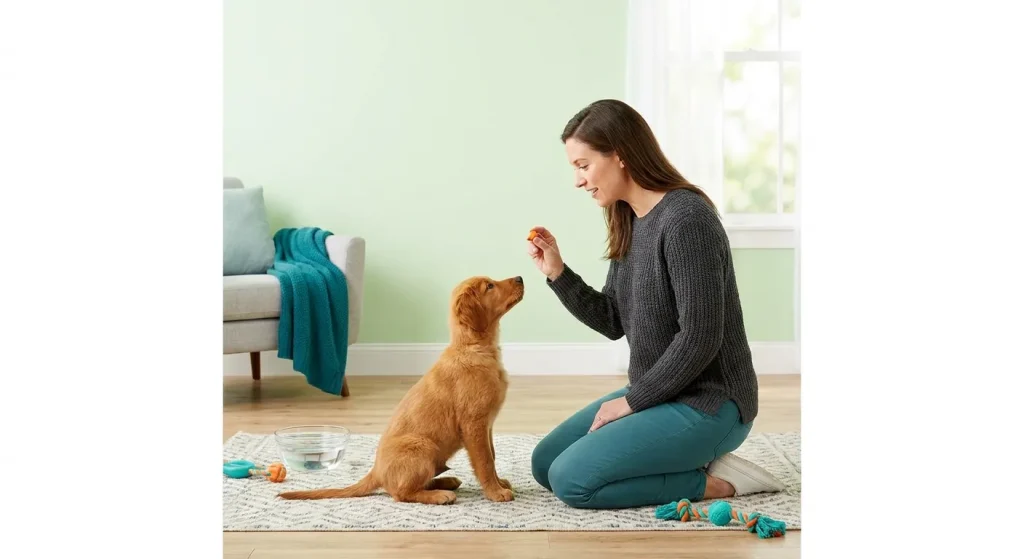
Whenever your dogs are near each other and relaxed, reward them. This positive reinforcement tells them that peace brings good things.
Use Obedience Training Together
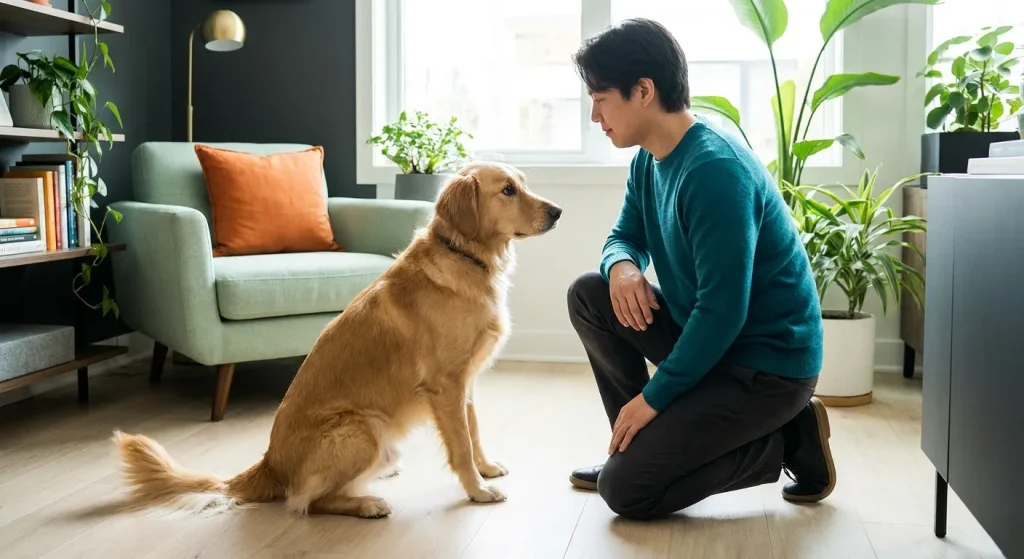
Practicing commands like “sit,” “stay,” and “leave it” together reinforces focus and control. It also reminds them that you are the decision-maker—not them.
Seek Professional Help if Needed
If fights continue or intensify, contact a certified dog trainer or animal behaviorist. They can assess your home dynamics and create a custom plan. Sometimes an outsider can spot subtle cues that owners overlook.
When One Dog is the Aggressor
Sometimes, one dog clearly starts most of the fights. If that’s the case, address the behavior directly but compassionately. Aggression is often fear-based, not malicious.
Rule Out Health Problems
A sudden change in behavior can stem from pain or illness. A vet exam can rule out physical issues that may cause irritability.
Work on Confidence Building
Timid dogs may act out when they feel insecure. Use gentle exposure, positive reinforcement, and safe environments to build their confidence.
Avoid Punishment
Harsh correction doesn’t stop aggression—it suppresses it temporarily. This can make the dog unpredictable. Focus on redirection, calm structure, and positive behavior training instead.
Rebuilding Trust Between Your Dogs
Once the dust settles, your goal is to rebuild trust. Dogs remember tension, so patience is crucial. Rebuilding their bond may take time, but it’s possible.
Supervise All Interactions
For a while, don’t leave your dogs unsupervised together. Keep leashes or barriers nearby just in case.
Structured Walks Together
Parallel walks—where both dogs walk side by side at a safe distance—are a great way to restore pack harmony. Shared, calm activities reinforce teamwork rather than rivalry.
Celebrate Small Wins
Every peaceful day counts. Reinforce positive moments with praise, treats, and affection. Over time, their relationship can fully recover.
Conclusion
When fights break out between dogs at home, it can shake your confidence and peace of mind. But with calm leadership, consistency, and a plan, you can stop fights between dogs safely and permanently. Remember—dogs rely on your guidance. Be their calm, assertive leader, and they’ll mirror your stability. Harmony is absolutely possible, and with patience and understanding, your home can become a peaceful pack once again.
FAQ
1. How do I stop dogs from fighting over food?
Feed them separately in different rooms or crates. This prevents competition and keeps mealtime peaceful.
2. Should I punish my dog after a fight?
No. Punishment increases fear and aggression. Focus on calm redirection and reward positive behavior instead.
3. How long should I separate dogs after a fight?
Give them at least several hours to cool off. If the fight was intense, keep them apart for a full day before reintroducing.
4. Can dogs live together again after fighting?
Yes, with patience and structured reintroduction. Gradual exposure, supervision, and training rebuild trust over time.
5. When should I call a professional trainer?
If fights happen repeatedly, cause injuries, or involve severe aggression, consult a certified behaviorist immediately.