

Traveling with Pets: Tips for a Stress-Free Journey
Embarking on an adventure with your beloved animal companion can be a truly wonderful experience. However, it certainly requires careful planning to ensure everyone has a safe and stress-free trip. Whether you are going by car, plane, or train, preparing for traveling with pets can make all the difference. Here are essential tips to help you and your companion enjoy the journey, ensuring a smooth transition every step of the way.
Before You Go: Preparation is Key for Pet Travel
Weeks before your departure, schedule a vet visit. This ensures your pet is healthy enough for travel. Furthermore, confirm that all vaccinations are up-to-date. Discuss any necessary medications for anxiety or motion sickness with your veterinarian. Microchip your pet and ensure their ID tags are current with your contact information. This is crucial for their safety.
Research pet-friendly accommodations, airlines, or train policies well in advance. Rules vary widely, therefore, understanding them is vital. Acclimate your pet to their carrier or crate by making it a comfortable, positive space at home. This helps them view it as a safe haven, rather than just a travel container. In fact, consistent positive reinforcement can significantly reduce travel-related stress.
Choosing the Right Carrier or Crate
Selecting an appropriate carrier is paramount. It should be sturdy, well-ventilated, and large enough for your pet to stand, turn around, and lie down comfortably. For air travel, specific IATA guidelines often dictate carrier requirements. Always check with your chosen airline. Consider a soft-sided carrier for in-cabin flights if your pet meets the size requirements. For car travel, a crash-tested crate offers superior protection. Ensure the carrier is clearly labeled with your contact information and your pet’s name. A familiar blanket or toy inside can also provide comfort and reduce anxiety.
Health Checks and Documentation
Your vet visit is more than just a check-up. It’s an opportunity to obtain a health certificate, which is often required for interstate or international travel. Discuss potential health risks associated with your destination, such as parasites or diseases. Your vet might recommend preventative medications. For international journeys, research specific import requirements for your destination country well in advance. These can include blood tests, quarantine periods, and additional vaccinations. Keeping all health records and permits easily accessible is always a good idea.
Practice Runs and Acclimation
If your pet isn’t used to car rides or their carrier, start with short practice runs. Begin with brief trips around the block. Gradually increase the duration. Reward good behavior with treats and praise. This positive association helps them feel more secure. Similarly, leave the carrier open at home with treats inside to encourage them to enter voluntarily. This makes the carrier a less intimidating object. Ultimately, patience and consistency are key to successful acclimation.
On the Road (or in the Air): Safety and Comfort During Traveling with Pets
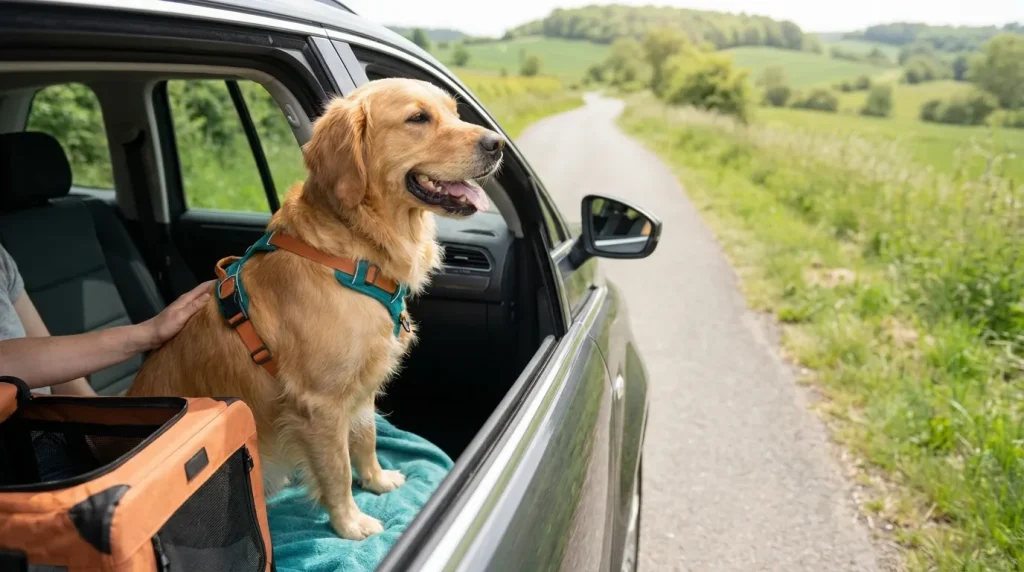
For car travel, always secure your pet in a crash-tested carrier or a safety harness. This protects them and prevents distractions for the driver. Make frequent stops for potty breaks, exercise, and water. Never leave your pet unattended in a car, especially in extreme temperatures. Furthermore, ensure proper ventilation inside the vehicle. Keep windows open slightly for fresh air, but not enough for your pet to jump out.
For air travel, understand that it can be stressful for many animals. If your pet must fly in cargo, choose direct flights to minimize handling and avoid extreme weather conditions. Consult your vet about sedation, but often it’s not recommended due to respiratory and cardiovascular risks. Bring a familiar blanket or toy to provide comfort. Additionally, attach a