
Small pet cage cleaning is one of the most important responsibilities for any pet owner. While feeding and interaction matter, a clean environment directly affects your pet’s health and comfort.
Because small pets live in confined spaces, waste and bacteria can build up quickly. As a result, poor hygiene may lead to illness, stress, and unpleasant odors.
Therefore, understanding small pet cage cleaning helps you create a safer and more comfortable home. With consistent care, your pet can thrive in a clean and stress-free environment.
Why Cleanliness Matters for Small Pets
Small pets rely on their enclosure for everything. They eat, sleep, and play in the same space.
Because of this, a dirty cage can quickly become harmful. Bacteria, mold, and waste buildup may lead to infections or respiratory problems.
Additionally, unclean environments often cause stress. Pets may become less active or show signs of discomfort.
For these reasons, small pet cage cleaning is essential for both physical health and emotional well-being.
Daily Cleaning Tasks for Small Pet Cages
Daily maintenance prevents buildup and keeps the environment fresh.
Removing Waste and Leftover Food
Start by removing visible waste and uneaten food. This simple step reduces bacteria and odor.
Refreshing Water Supply
Always provide clean, fresh water. Dirty water can quickly become contaminated.
Quick Spot Checks
Inspect bedding, corners, and feeding areas. Early cleaning makes deeper maintenance easier later.
Because of this routine, small pet cage cleaning becomes more manageable and effective.
Weekly Cleaning Routine for Better Hygiene
In addition to daily tasks, weekly cleaning is necessary for deeper sanitation.
Replacing Bedding
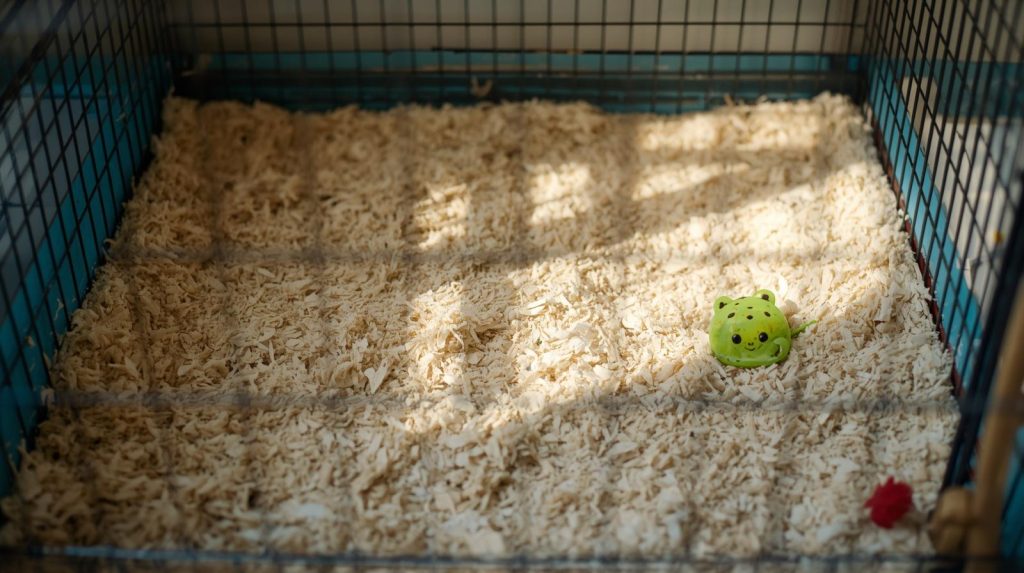
Remove old bedding and replace it with fresh material. This reduces odor and improves comfort.
Cleaning Cage Surfaces
Wipe down the cage walls, bars, and base using pet-safe cleaners.
Sanitizing Accessories
Food bowls, water bottles, and toys should be cleaned thoroughly each week.
Therefore, small pet cage cleaning at this level ensures a healthier and more pleasant habitat.
Monthly Deep Cleaning Process
A deep clean removes hidden bacteria and buildup.
Emptying the Entire Cage
Remove all bedding, accessories, and decorations.
Disinfecting the Cage
Use a pet-safe disinfectant to clean all surfaces. Rinse thoroughly to remove residue.
Drying Completely
Allow the cage to dry before adding fresh bedding and items.
Because of this, small pet cage cleaning at a deeper level prevents long-term hygiene issues.
Choosing Safe Cleaning Products
Not all cleaning products are suitable for small pets.
Avoid Harsh Chemicals
Strong chemicals may leave harmful residues. These can irritate your pet’s skin or lungs.
Use Pet-Safe Alternatives
Choose mild, pet-friendly cleaners or natural solutions like diluted vinegar.
Rinse Thoroughly
Always remove any cleaning residue before returning your pet to the cage.
Because of this, small pet cage cleaning must focus on safety as well as effectiveness.
Managing Odors Effectively
Odor control is a common concern for pet owners.
Regular Waste Removal
Frequent cleaning prevents odors from building up.
Proper Ventilation
Ensure the cage is in a well-ventilated area. Good airflow helps reduce smells.
Choosing Absorbent Bedding
Some bedding materials absorb moisture better, reducing odor.
As a result, small pet cage cleaning helps maintain a fresh environment.
Keeping the Cage Comfortable for Your Pet
Cleanliness and comfort go hand in hand.
Soft and Clean Bedding
Fresh bedding provides comfort and supports rest.
Maintaining Familiar Scents
Avoid removing all scents at once. Familiar smells help pets feel secure.
Providing Cozy Spaces
Include shelters or hiding areas to enhance comfort.
Because of this, small pet cage cleaning should balance hygiene with familiarity.
Preventing Bacteria and Health Issues
A clean cage reduces the risk of illness.
Reducing Moisture Build-Up
Excess moisture encourages bacteria and mold. Keep bedding dry.
Avoiding Cross-Contamination
Use separate cleaning tools for each cage if you have multiple pets.
Monitoring Pet Health
Watch for signs of illness, such as lethargy or loss of appetite.
Therefore, small pet cage cleaning plays a key role in disease prevention.
Handling Different Types of Small Pets
Different pets require slightly different cleaning approaches.
Hamsters and Gerbils
These pets benefit from partial cleaning to maintain familiar scents.
Guinea Pigs and Rabbits
They produce more waste and require more frequent cleaning.
Birds and Other Small Animals
Each species has unique needs, so adjust routines accordingly.
Because of this, small pet cage cleaning should be tailored to your specific pet.
Creating a Cleaning Schedule That Works
Consistency is essential for maintaining a healthy cage.
Daily, Weekly, and Monthly Tasks
Divide cleaning into manageable steps. This prevents overwhelming buildup.
Setting Reminders
Use a schedule to stay on track. Regular care becomes a habit over time.
Adjusting as Needed
Some pets require more frequent cleaning. Adapt your routine accordingly.
As a result, small pet cage cleaning becomes easier and more efficient.
Common Mistakes to Avoid
Avoiding mistakes helps maintain a safe environment.
Skipping Regular Cleaning
Neglect leads to rapid buildup of waste and bacteria.
Using Unsafe Products
Harsh cleaners can harm your pet.
Overcleaning the Cage
Removing all scents may cause stress.
Because of this, small pet cage cleaning requires balance and consistency.
Signs Your Cage Needs Immediate Cleaning
Sometimes, immediate action is necessary.
Watch for:
- Strong odors
- Wet or dirty bedding
- Visible waste buildup
- Increased insect activity
If these signs appear, clean the cage right away.
Conclusion: A Cleaner Cage for a Healthier Pet
Small pet cage cleaning is essential for maintaining a safe, comfortable, and healthy environment. By following daily, weekly, and monthly routines, you can prevent health issues and reduce stress.
Moreover, using safe products and maintaining consistency ensures long-term success. Small efforts each day make a significant difference in your pet’s well-being.
Ultimately, small pet cage cleaning supports a happier, healthier life for your pet. A clean habitat is the foundation of responsible pet care.
FAQ
1. How often should I clean my pet’s cage?
Daily spot cleaning, weekly maintenance, and monthly deep cleaning are recommended.
2. What cleaning products are safe for small pets?
Use pet-safe cleaners or mild natural solutions like diluted vinegar.
3. How can I reduce cage odors?
Remove waste regularly, use absorbent bedding, and ensure proper ventilation.
4. Can cleaning too often stress my pet?
Yes, removing all familiar scents can cause stress. Balance cleaning with comfort.
5. What signs indicate the cage needs cleaning immediately?
Strong odors, wet bedding, and visible waste buildup are clear indicators.