
If your dog’s mealtime feels more like a messy battle than a peaceful routine, it might be time for an upgrade. The secret to cleaner, safer, and happier feeding could be as simple as switching to a premium stainless steel dog bowl.
Choosing the right feeding bowl might seem minor, but it plays a major role in your dog’s overall health and eating habits. From preventing bacteria buildup to reducing allergies and improving posture, stainless steel bowls offer more benefits than most pet owners realize.
Let’s explore what makes a premium stainless steel dog bowl a game-changer for every responsible pet parent.
Why Choose a Premium Stainless Steel Dog Bowl
Plastic and ceramic bowls may come in cute colors, but they often hide bacteria, absorb odors, and wear down quickly. Stainless steel, on the other hand, is built for durability and hygiene. It’s the same material used in professional kitchens—and for good reason.
Stainless steel doesn’t chip, crack, or retain smells. It’s resistant to rust and corrosion, even after years of use. Unlike porous materials, it doesn’t harbor harmful bacteria that can make your dog sick.
And for owners? Stainless steel bowls are incredibly easy to clean. Most are dishwasher-safe, lightweight, and long-lasting, saving you money over time.
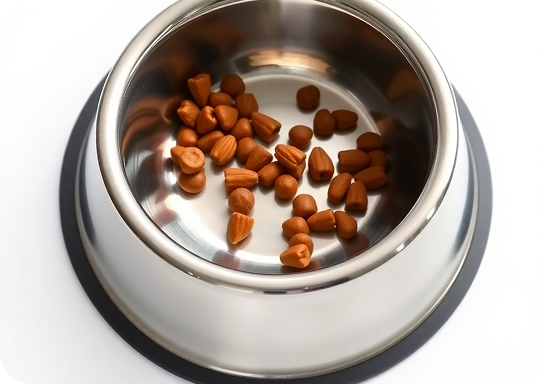
Choosing a premium stainless steel dog bowl ensures your pet eats from a surface that’s as clean and safe as your own dinner plate.
Health Benefits
Stainless steel bowls prevent bacterial growth that causes stomach upsets, infections, or bad breath. Since they don’t leach chemicals like low-quality plastic, they’re ideal for dogs with allergies or sensitive skin.
Plus, their smooth surface keeps mealtime cleaner. No residue, no smells—just a fresh start every day.
Durability and Safety
Tired of replacing bowls every few months? Stainless steel bowls are virtually indestructible. Even heavy chewers can’t dent them easily. Unlike ceramic, they won’t shatter if dropped.
Some premium models even feature anti-slip silicone bases, keeping the bowl steady while your dog eats with enthusiasm.
What Makes a Stainless Steel Bowl “Premium”?
Not all stainless steel dog bowls are created equal. The best ones use high-quality, food-grade stainless steel (often labeled 18/8 or 304 stainless steel). This grade resists rust and corrosion while maintaining a polished, hygienic surface.
A premium stainless steel dog bowl also includes thoughtful design features for both pets and owners. Here’s what sets them apart:
1. Food-Grade Quality
Premium bowls are made from non-toxic, food-grade stainless steel—safe for long-term contact with food and water. This ensures no metallic taste or harmful chemicals leach into your dog’s meals.
2. Non-Slip Base
Dogs can get excited during feeding time. A rubber or silicone ring on the base prevents sliding, protecting both your floors and your dog’s patience.
3. Easy to Clean
High-end bowls have a mirror or brushed finish that resists scratches and bacteria buildup. They’re dishwasher-safe and maintain their shine even after repeated washes.
4. Ergonomic and Functional Design
Premium designs consider your dog’s comfort and health. Some are elevated to reduce neck strain, especially for large breeds or older dogs. Others are contoured to minimize spillage and mess.
5. Stylish Appearance
A good dog bowl doesn’t have to be boring. Many premium options blend elegance with function, complementing your kitchen’s décor while serving as a symbol of care and quality for your pet.
Types of Premium Stainless Steel Dog Bowls
Depending on your dog’s needs, there’s a perfect stainless steel bowl for every type of eater. Understanding each type helps you choose the one that makes mealtime effortless and comfortable.
Standard Stainless Steel Bowls
Simple yet effective, these are the classic go-to for everyday feeding. They’re durable, affordable, and easy to clean. Perfect for single-dog households or travel use.
Non-Slip and Weighted Bowls
If your dog tends to push their bowl across the floor, a non-slip or weighted model will keep mealtime in place. The rubberized base adds stability, reducing noise and spills.
Elevated Dog Bowls
For large breeds, senior dogs, or pets with joint issues, elevated bowls promote better posture and digestion. They minimize the need to bend down, making mealtime more comfortable and ergonomic.
Slow-Feeder Stainless Steel Bowls
Does your dog inhale food too quickly? Slow-feeder bowls feature ridges or raised patterns that encourage slower eating. This prevents choking, bloating, and digestive discomfort.
Double Bowl Sets
Perfect for owners who want convenience, double bowls combine food and water stations in one setup. Some come with non-slip mats or elevated stands for extra stability.
Travel and Collapsible Bowls
For pet parents on the go, lightweight stainless steel travel bowls are durable and easy to pack. Some are foldable or come with lids to make feeding outdoors hassle-free.
How to Maintain Your Stainless Steel Dog Bowl
Even the best bowl requires regular maintenance to stay clean and hygienic. Here’s how to keep it in top condition:
Daily Cleaning
Rinse the bowl after every meal to prevent residue buildup. Wash it daily with warm, soapy water or toss it into the dishwasher if it’s safe for that model.
Weekly Deep Clean
Once a week, soak the bowl in a mixture of vinegar and warm water to remove mineral deposits and bacteria. Rinse thoroughly afterward.
Inspect for Wear
Although stainless steel is durable, inspect the bowl periodically for scratches or worn rubber rings. Replace any parts that look damaged to maintain safety and hygiene.
Avoid Harsh Chemicals
Stick to mild detergents and natural cleaning solutions. Bleach or abrasive cleaners can damage the finish and compromise the bowl’s safety.
Proper maintenance not only keeps the bowl sparkling but also ensures your dog stays healthy with every meal.
Benefits for Different Dog Types
A premium stainless steel dog bowl suits every breed and lifestyle, but it’s especially beneficial for dogs with specific needs.
For Puppies
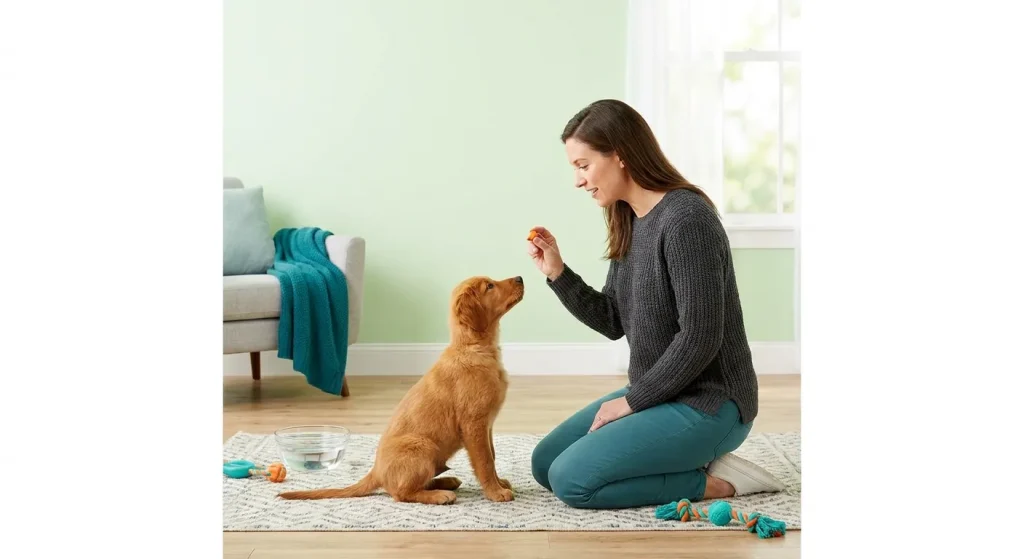
Puppies are playful and messy. Non-slip stainless steel bowls stay put and resist tipping, making learning to eat easier and cleaner.
For Large Breeds
Bigger dogs need more space and sturdiness. A heavy, elevated stainless steel bowl supports their size and reduces neck strain.
For Small Dogs
Smaller breeds benefit from shallow bowls that prevent whisker fatigue—a real issue caused by deep or narrow dishes.
For Dogs with Allergies
Allergic dogs often react to plastic bowls that harbor bacteria or release harmful chemicals. Stainless steel eliminates this risk and keeps meals allergen-free.
For Senior Dogs
Older dogs experience joint stiffness or reduced mobility. Elevated, non-slip stainless steel bowls make feeding more comfortable and stress-free.
Environmental and Economic Advantages
Beyond the immediate benefits for your dog, a premium stainless steel dog bowl is also a sustainable choice.
Unlike plastic, stainless steel is recyclable and doesn’t end up in landfills. Its long lifespan reduces waste, making it a responsible option for eco-conscious pet owners.
Economically, investing in one high-quality bowl can save you from repeatedly buying cheap replacements. It’s a one-time purchase that can last for years—or even your dog’s entire life.
Conclusion
A premium stainless steel dog bowl is more than a feeding accessory—it’s an investment in your dog’s health, comfort, and happiness. Durable, safe, and easy to maintain, it transforms every meal into a cleaner, healthier experience.
Whether you’re caring for a rambunctious puppy, a graceful senior, or a sensitive eater, stainless steel is the gold standard for canine dining.
So next time you fill your dog’s bowl, make it one that matches the love and care you give them every day—because they deserve nothing less than premium quality.
FAQ
1. Are stainless steel dog bowls safe for all dogs?
Yes. They’re hypoallergenic, non-toxic, and suitable for dogs of all breeds, sizes, and ages.
2. How often should I clean my dog’s stainless steel bowl?
Clean it after every meal and deep clean weekly to prevent bacteria buildup and maintain hygiene.
3. Can stainless steel bowls rust over time?
High-quality, food-grade stainless steel bowls resist rust and corrosion, even with daily washing.
4. What size stainless steel bowl should I choose?
Match the bowl size to your dog’s breed and appetite—larger bowls for big breeds, smaller for toy dogs.
5. Do stainless steel bowls affect food taste?
No. Unlike plastic or aluminum, stainless steel is flavor-neutral and keeps food fresh and odor-free.