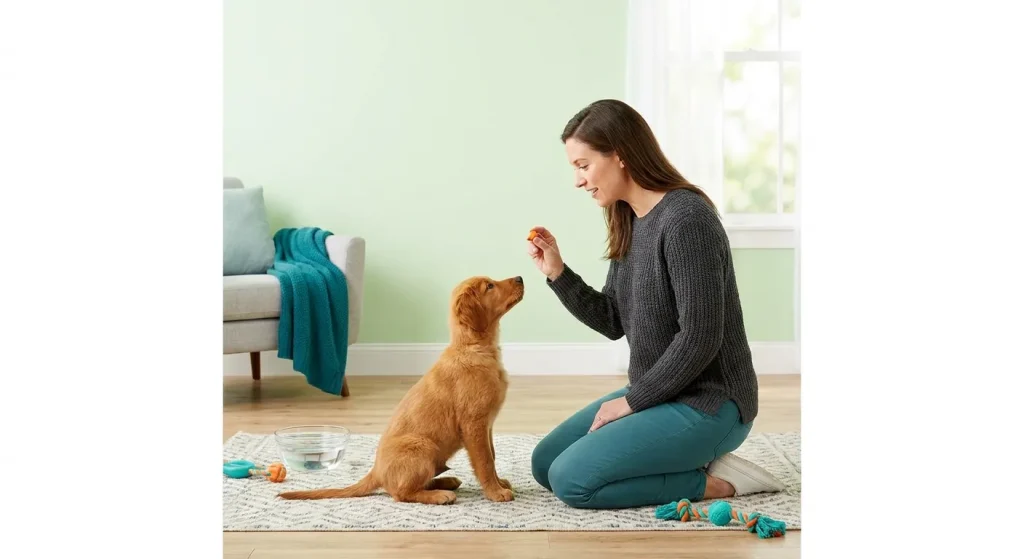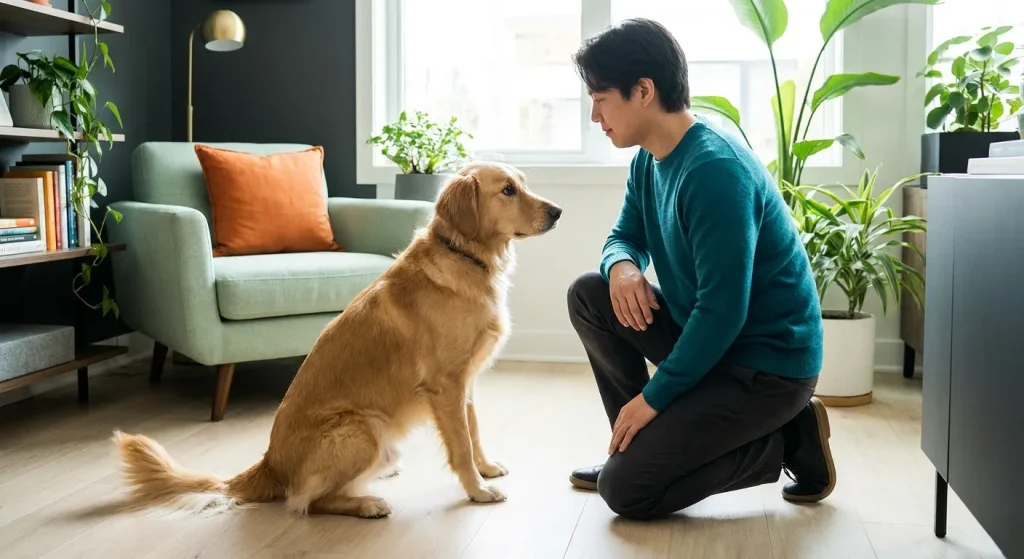
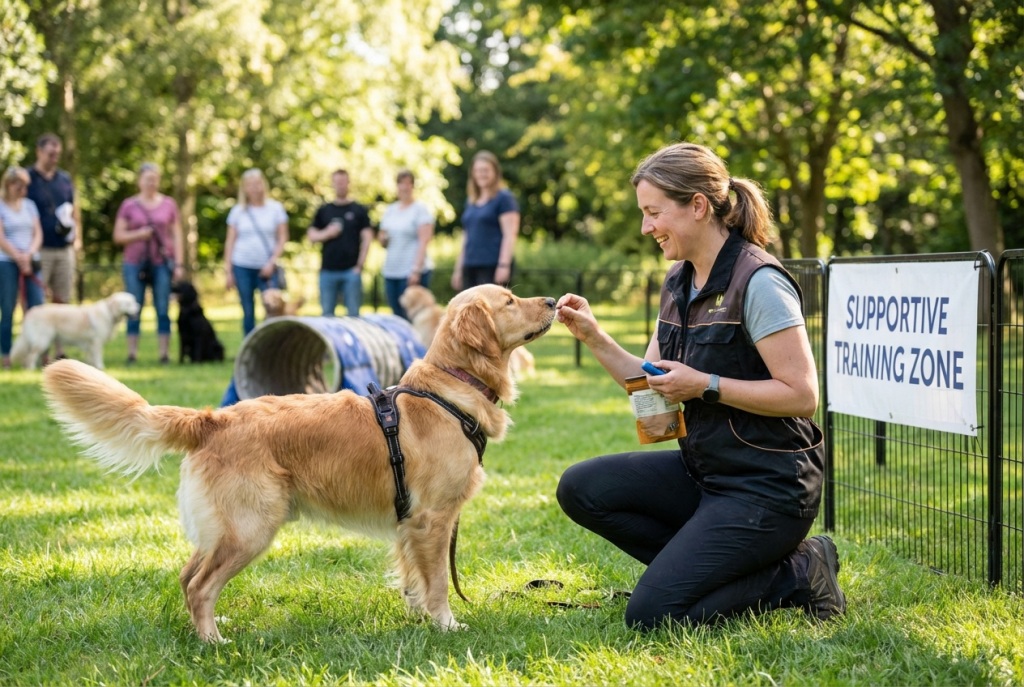
If you’ve ever wondered why some dogs seem naturally calm and cooperative while others act nervous, jumpy, or reactive, the answer often lies in training style. Dogs learn through association, and the way you teach them shapes how they interpret the world. Positive reinforcement dog training focuses on rewarding behaviors you want your dog to repeat. Instead of relying on intimidation or punishment, you teach your dog through encouragement, motivation, and trust.
Every dog—from energetic puppies to sensitive rescues—thrives with positive reinforcement. This approach supports emotional stability, reduces stress, and builds confidence. Even better, it strengthens your bond in a way that feels natural for both of you. When dogs understand what earns rewards, they feel secure. They relax more easily, follow cues willingly, and stay calmer in new environments.
In this guide, you’ll explore how positive reinforcement dog training works, why it’s one of the most effective techniques available, and how to use it daily for a calmer, well-behaved dog.
Why Positive Reinforcement Dog Training Works So Well
Positive reinforcement dog training taps into a basic truth about animal behavior: rewarded actions are repeated. When your dog receives something they value—food, praise, toys, or freedom—they form a clear connection between their behavior and the good outcome. Because of this, positive reinforcement becomes one of the most dependable teaching tools.
Dogs trained with positive methods:
- Show fewer stress signals
- Learn faster
- Remember cues longer
- Work with enthusiasm
- Bond more deeply with their owner
- Display calmer behavior
Punishment-based methods, on the other hand, often create anxiety and confusion. Dogs stop offering behavior because they fear getting it wrong. With positive reinforcement, they feel safe experimenting and learning, which leads to better long-term habits.
The Science Behind Positive Reinforcement Dog Training
Positive reinforcement dog training is rooted in operant conditioning, a well-studied learning principle. When a behavior is followed by a pleasant consequence, the behavior strengthens. Dogs naturally gravitate toward choices that bring rewards.
Here’s why this method works so reliably:
Clear Feedback
Dogs understand immediately when they’re doing the right thing. Instead of guessing, they receive a reward that confirms their action.
Reduced Stress
Positive reinforcement lowers cortisol levels. This encourages calm behavior and improves emotional resilience.
Stronger Memory Formation
Good experiences create strong, lasting neural pathways. Dogs remember these lessons long after training ends.
Increased Confidence
Dogs feel more in control when their actions consistently lead to rewards. Confidence reduces fear-based behaviors.
The result is a dog who behaves well because they want to—not because they’re afraid of consequences.
What Counts as a Reward in Positive Reinforcement Dog Training?
A reward must be valuable to your dog. Each dog is different, so discovering what motivates your dog makes training smoother.
Common rewards include:
High-Value Treats
For many dogs, food is the clearest motivator. Use tiny, soft treats like chicken, cheese, or training bites. These encourage rapid learning.
Praise
Calm, warm praise reinforces your dog’s emotional bond with you. Some dogs respond strongly to verbal encouragement.
Toys or Tug Games
Energetic dogs may find play more rewarding than food. A quick tug or fetch session strengthens enthusiasm.
Freedom and Access
For dogs who love exploring, opening a door, unclipping a leash, or allowing a sniff break can be powerful rewards.
Physical Affection
Some dogs enjoy gentle petting or ear rubs. However, always observe your dog’s comfort level.
The best positive reinforcement dog training uses a mix of these rewards, keeping sessions fun and flexible.
How to Start Positive Reinforcement Dog Training
Starting with positive reinforcement dog training doesn’t require special tools. You simply need patience, timing, and consistency.
Step 1: Mark the Behavior
A “marker” tells your dog the exact moment they get something right. You can use:
- A clicker
- A quick word like “Yes!”
Markers create clarity. They help dogs understand what earned the reward.
Step 2: Reward Immediately
Reward your dog within one or two seconds of the behavior. Fast feedback strengthens learning.
Step 3: Keep Sessions Short
Dogs learn best in short bursts. Three-to-five-minute sessions work well, especially for puppies.
Step 4: Practice in Low-Distraction Locations
Start indoors. Once your dog understands the cue, gradually introduce more challenging environments.
Step 5: Be Consistent
Use the same cue and reward pattern every time. Consistency builds habits.
With a steady routine, your dog becomes calmer, more responsive, and eager to participate.
Using Positive Reinforcement Dog Training for Calm Behavior
Many owners use positive reinforcement only to teach basic cues. However, this approach excels at building calmness and emotional control. Dogs repeat calm behavior when they’re rewarded for it.
Reward Calmness at Home
Catch your dog doing something calm—lying on their bed, sitting quietly, or observing without barking. Mark and reward these behaviors. Although simple, this teaches your dog that calm choices lead to good outcomes.
Teach an “Automatic Settle”
Sit on the couch or in a chair and wait. When your dog lies down naturally, quietly mark and reward. Over time, your dog begins to settle automatically in various situations.
Reward Walking Nicely on the Leash
Instead of correcting pulling, reinforce moments when the leash becomes slack. With consistent rewards, pulling gradually decreases.
Build Calm Greetings
Dogs greet calmly when they understand that polite behavior earns attention. Reward sitting or standing still instead of jumping. Ask visitors to do the same.
Support Relaxed Behavior Around Triggers
For reactive or nervous dogs, pair their trigger (like another dog or loud noise) with something positive. Over time, the emotional response shifts from fear to expectation of reward.
Positive reinforcement dog training doesn’t just teach commands—it reshapes emotions.
Cues You Can Teach with Positive Reinforcement
Most behavior cues can be taught through this method. Start with simple ones before moving into advanced training.
Sit
This cue often becomes the foundation for calm behavior.
Down
Useful for relaxation, vet visits, and polite greetings.
Stay
Builds patience and emotional control. Start with seconds, then increase duration gradually.
Leave It
Teaches impulse control and prevents dangerous interactions.
Come
A reliable recall protects your dog in emergencies.
Positive reinforcement dog training produces dependable, enthusiastic responses because dogs feel rewarded for participating.
Avoiding Common Training Mistakes
Even with the best intentions, owners sometimes make mistakes that slow progress. Knowing what to avoid keeps training consistent.
Mistake 1: Delayed Rewards
If the reward comes too late, your dog may associate it with the wrong action.
Mistake 2: Repeating Cues
Saying “Sit” four times teaches your dog to ignore the first three. Ask once, then wait.
Mistake 3: Using Punishment
Punishment increases anxiety. It also disrupts the learning process, making calm behavior harder.
Mistake 4: Overfeeding During Training
Use tiny treats. You can also reduce meal portions on training days.
Mistake 5: Training Only When Problems Appear
Training small moments throughout the day builds stable habits.
When you avoid these pitfalls, positive reinforcement dog training becomes much more effective.
Positive Reinforcement for Puppies
Puppies absorb information quickly, making early training essential. Positive reinforcement sets the foundation for lifelong good manners.
Focus on Routine Behaviors
Reward your puppy for:
- Sitting before meals
- Waiting at the door
- Going potty outside
- Relaxing on their bed
These early habits create calm, predictable behavior.
Introduce Socialization Carefully
Pair new experiences with treats and praise. This forms positive associations and prevents fear later.
Avoid Overwhelming Environments
Even confident puppies need gradual exposure. Gentle introductions encourage curiosity instead of stress.
Positive reinforcement dog training helps puppies become well-adjusted adults.
Positive Reinforcement for Rescue Dogs
Rescue dogs often carry emotional baggage. Many have experienced fear, instability, or neglect. Positive reinforcement becomes a lifeline for them, giving structure, safety, and trust.
Build Predictability
Set routines for meals, walks, and play. Predictability reduces anxiety.
Reward Approaches and Eye Contact
When your dog chooses to trust you, reward the moment. These small interactions change everything.
Use Soft, Encouraging Praise
Loud or intense praise may overwhelm sensitive dogs. Calm encouragement works better.
Respect Their Space
Some rescue dogs need time before they feel safe with touch or handling.
Positive reinforcement dog training offers gentle guidance that helps rescue dogs heal emotionally.
Using Positive Reinforcement to Stop Unwanted Behaviors
You don’t need punishment to stop bad habits. Instead, teach your dog an alternative behavior that earns rewards.
Examples include:
Jumping on Guests
Reward sitting instead of jumping. Ask guests to ignore jumping entirely.
Barking for Attention
Wait for silence, then reward quiet moments. Even two seconds of quiet deserves recognition at first.
Chewing Furniture
Provide chew toys. Reward when your dog chooses the correct item.
Digging in the Yard
Offer a designated digging area or reward calm outdoor behavior.
Redirecting behavior through positive reinforcement creates lasting change without stress.
Building Long-Term Calmness Through Reinforcement
Calm behavior becomes consistent when reinforced often. Although dogs eventually need fewer treats, rewards never fully disappear. They simply change form.
Use Real-Life Rewards
These natural rewards strengthen calm behavior:
- Opening a door
- Greeting a friend
- Starting a walk
- Allowing a sniff break
Maintain Training Sessions
Even five minutes per day keeps skills sharp.
Celebrate Small Victories
Tiny improvements matter. Consistent reinforcement builds emotional stability.
As calm habits grow stronger, your dog becomes more centered, confident, and cooperative.
Conclusion
Positive reinforcement dog training is one of the most powerful ways to build a calm, well-behaved companion. It supports emotional health, strengthens trust, and encourages cooperation without fear. When you reward the behaviors you love, your dog begins offering them naturally. Daily training becomes enjoyable, and life with your dog feels easier and more harmonious.
With patience, consistency, and gentle reinforcement, you can guide your dog toward their best behavior—and build a relationship based on understanding, respect, and mutual happiness.
FAQ
1. How long does positive reinforcement training take?
Most dogs show improvement within days, but lasting habits form over weeks or months with consistent practice.
2. What treats work best for positive reinforcement?
Soft, bite-sized treats like chicken, cheese, or training bites work well because dogs eat them quickly.
3. Can positive reinforcement stop bad behaviors?
Yes. Replacing unwanted behaviors with rewarded alternatives creates lasting change.
4. Is positive reinforcement suitable for aggressive dogs?
Absolutely. It reduces fear and builds trust, making it ideal for dogs with reactivity or anxiety.
5. Do I always need treats?
No. Although treats help with learning, you’ll eventually use praise, play, and real-life rewards instead.