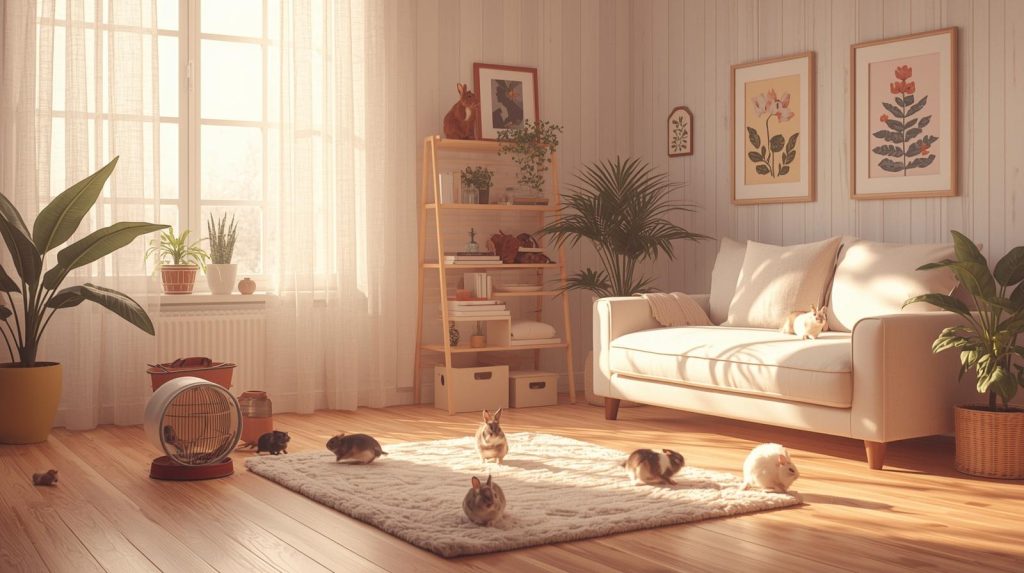

Calm living spaces small pets need are essential for keeping them healthy, relaxed, and comfortable. While many owners focus on feeding and basic care, the environment plays a major role in overall well-being.
Because small pets are sensitive to noise, light, and movement, even minor disruptions can cause stress. Over time, this stress can affect behavior, appetite, and health.
Therefore, creating calm living spaces small pets need helps them feel safe and secure. With thoughtful adjustments, you can transform any setup into a peaceful and supportive habitat.
Why a Calm Environment Matters for Small Pets
Small pets rely heavily on their surroundings. Unlike larger animals, they cannot escape stressful environments easily.
As a result, constant noise or poor setup can lead to anxiety. Additionally, stress may weaken the immune system and reduce activity levels.
Because of this, calm living spaces small pets need are crucial for maintaining physical and mental health. When pets feel secure, they are more active and display natural behaviors.
Moreover, a peaceful environment supports better sleep and consistent eating habits.
Common Stress Triggers in Small Pet Habitats
Identifying stress factors is the first step toward improvement.
Loud Noises and Sudden Sounds
Small pets are easily startled by loud sounds. Television noise, music, or household activity can create constant stress.
Bright or Inconsistent Lighting
Harsh lighting disrupts natural rhythms. Inconsistent light cycles may confuse sleep patterns.
Frequent Handling or Disturbance
Handling pets too often can overwhelm them. While interaction is important, it must be balanced.
Because of these factors, calm living spaces small pets need begin with reducing common stress triggers.
Choosing the Right Cage or Enclosure
The enclosure is the foundation of a peaceful environment.
Adequate Space for Movement
Small pets need enough room to move, explore, and rest. Limited space increases stress and frustration.
Safe and Secure Design
Enclosures should prevent escapes while allowing ventilation. Proper design helps pets feel protected.
Location of the Cage
Place the enclosure in a quiet, low-traffic area. Avoid direct sunlight or drafts.
Therefore, calm living spaces small pets need depend on proper enclosure selection and placement.
Creating Comfortable Bedding and Shelter
Comfort is key to reducing stress.
Soft and Safe Bedding
Use materials that are gentle and absorbent. Avoid rough or dusty bedding that may irritate your pet.
Providing Hiding Spots
Small pets feel safer when they can hide. Shelters, tunnels, or small houses provide security.
Because of this, calm living spaces small pets need include cozy and protected resting areas.
Maintaining Stable Temperature and Humidity
Environmental stability plays a major role in comfort.
Avoiding Temperature Fluctuations
Sudden changes can stress small pets. Maintain a consistent temperature suitable for the species.
Proper Ventilation
Ensure fresh air circulation without exposing pets to drafts.
As a result, calm living spaces small pets need require stable and controlled conditions.
Reducing Noise and External Disturbances
Noise control is essential for a peaceful habitat.
Choosing a Quiet Location
Place the enclosure away from busy areas like kitchens or living rooms.
Limiting Sudden Movements
Avoid placing cages near doors or areas with frequent movement.
Because of this, calm living spaces small pets need include a quiet and predictable environment.
Providing Gentle Lighting Conditions
Lighting should mimic natural cycles.
Day and Night Balance
Use consistent light and dark periods to support natural rhythms.
Avoiding Harsh Lights
Soft lighting is better for small pets. Bright lights may cause discomfort.
Therefore, calm living spaces small pets need include balanced lighting conditions.
Encouraging Natural Behavior Through Enrichment
Enrichment helps reduce boredom and stress.
Adding Toys and Activities
Provide safe toys that encourage exploration and movement.
Rotating Items Regularly
Changing toys occasionally keeps the environment interesting.
Because of this, calm living spaces small pets need should include mental stimulation.
Feeding in a Stress-Free Environment
Feeding habits can influence stress levels.
Consistent Feeding Schedule
Regular feeding times create a sense of security.
Proper Food Placement
Place food in accessible areas away from disturbances.
As a result, calm living spaces small pets need include a stable feeding routine.
Maintaining Cleanliness Without Disruption
Clean environments support health, but over-cleaning can cause stress.
Regular but Gentle Cleaning
Clean the enclosure without removing all familiar scents.
Avoiding Strong Chemicals
Use pet-safe cleaning products to prevent irritation.
Because of this, calm living spaces small pets need balance cleanliness with familiarity.
Handling Small Pets with Care
Interaction should be calm and controlled.
Building Trust Gradually
Allow your pet to get used to your presence before handling.
Recognizing Stress Signals
Watch for signs such as hiding or rapid movement.
Therefore, calm living spaces small pets need include respectful and gentle handling.
Monitoring Behavior and Adjusting the Environment
Observation helps you understand your pet’s needs.
Signs of Comfort
Active behavior, regular eating, and relaxed posture indicate a healthy environment.
Signs of Stress
Look for:
- Excessive hiding
- Loss of appetite
- Aggression
Because of this, calm living spaces small pets need regular evaluation and adjustment.
Adapting the Habitat Over Time
As pets grow, their needs change.
Adjusting Space and Setup
Larger pets may require bigger enclosures or different layouts.
Updating Accessories
Replace worn or unsuitable items to maintain comfort.
As a result, calm living spaces small pets need evolve over time.
Conclusion: Building a Peaceful Home for Your Pet
Calm living spaces small pets need are essential for reducing stress and supporting overall health. By focusing on proper enclosure design, stable conditions, and gentle handling, you create a safe and comfortable environment.
Moreover, consistent routines and thoughtful adjustments ensure long-term well-being. Small changes can significantly improve your pet’s quality of life.
Ultimately, calm living spaces small pets need help them feel secure, behave naturally, and thrive in their environment.
FAQ
1. What makes a habitat calming for small pets?
A quiet location, stable conditions, and secure hiding spots help create a calm environment.
2. How can I reduce stress for my small pet?
Minimize noise, provide enrichment, and maintain consistent routines.
3. Is lighting important for small pet comfort?
Yes, proper lighting supports natural sleep cycles and reduces stress.
4. How often should I clean the enclosure?
Clean regularly but avoid removing all familiar scents at once.
5. Can handling cause stress in small pets?
Yes, especially if done too often. Gradual and gentle handling helps build trust.