

Knowing how to choose a pet sitter makes trips away far less stressful for you and your animals. The right person keeps your pet’s routine steady, notices when something seems off, and keeps you in the loop. The wrong fit can leave you worrying the whole time. This guide gives you a clear, step-by-step way to compare options, vet candidates and hand over care with confidence.
Who this guide is for
This guide is for dog and cat owners planning a trip, owners of birds, fish, reptiles or small pets who need someone to call in, and anyone booking care for the first time. It also helps if your last arrangement did not go well and you want a better process next time.
Sitter, boarding or a friend: which suits your pet?
Before you learn how to choose a pet sitter, decide whether a sitter is the right kind of care at all. Each option has strengths, so think about your pet’s personality and needs.
| Option | Often suits | Things to weigh up |
|---|---|---|
| Professional pet sitter (visits or stays in your home) | Pets who settle best in familiar surroundings, including home-loving cats, and animals with set-ups that are hard to move, such as tanks or enclosures | You hand over house access, so trust and clear instructions matter |
| Home boarding (your pet stays in the carer’s home) | Sociable dogs and pets who enjoy company and a homely setting | Ask about other animals in the home and how they introduce new guests |
| Kennels or catteries | Pets who cope well with change and a busy setting | Some pets find these places stressful, so visit first and judge for yourself |
| A friend or family member | Short trips and pets who already know the person | Goodwill is not the same as experience, so still give full written instructions |
If your pet tends to get anxious away from home, keeping it in its own space is often the calmer choice. Your vet can also help you think this through.
Where to find a pet sitter
The first practical step in how to choose a pet sitter is building a shortlist of two or three people. That gives you a real comparison and a backup if your first choice is not free.
- Ask people you trust. Friends, neighbours and colleagues with similar pets are often the best source of names.
- Ask your vet practice. The team may know local sitters they can suggest.
- Check local rescues and shelters. They may know reliable carers, especially for less common pets.
- Look at professional sitter associations and local listings. Read reviews carefully and look for detail rather than just star ratings.
- Book early. Popular sitters can book up quickly around school holidays and festive periods.
How to choose a pet sitter: questions to ask
A short phone or video call helps you rule people in or out before you meet. Keep a list of questions and note the answers for each candidate.
Experience and fit
- How long have you been caring for pets, and which species have you looked after?
- Have you cared for animals like mine, with similar ages, sizes or needs?
- Are you comfortable giving medicine your vet has prescribed, if my pet needs it?
- How many other clients will you be visiting during my trip?
Reliability and backup
- What happens if you get ill or cannot make a visit?
- How long is each visit, and what do you do during it?
- How and when will you send updates?
Business basics
- Do you have insurance that covers pet sitting, and can I see details?
- Can you give me references from current clients I can contact?
- Do you use a written agreement that sets out services, fees and cancellations?
Avoid choosing on price alone. A slightly higher fee may reflect longer visits, better communication or a reliable backup plan.
Hold a meet-and-greet and a trial visit
Once you have a favourite, invite them to your home before you book the full stay. When people ask how to choose a pet sitter they can trust, this step often tells them more than any interview.
- Watch how they greet your pet. A good sitter lets the animal approach at its own pace and reads its body language.
- Walk them through the routine. Show where food, leads, litter, bedding and cleaning supplies live.
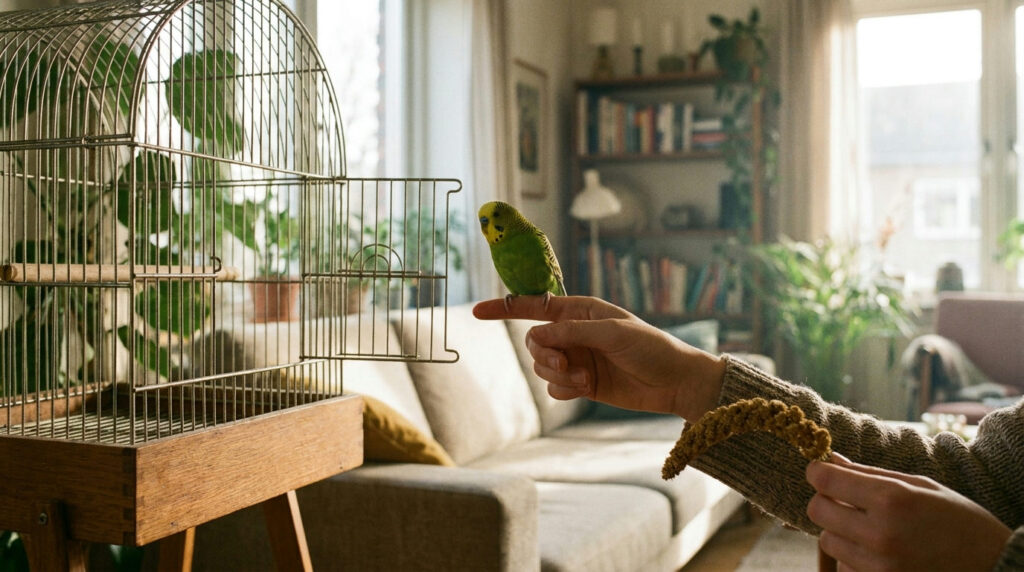
- Show any special set-ups. For tanks, cages or enclosures, explain lights, heating and cleaning steps, and leave your species care sheet out.
- Book a trial. A single paid visit or an overnight while you are still nearby helps your pet get to know the sitter. It also lets you spot problems early.
- Ask your pet’s opinion. Calm, curious behaviour around the sitter is a good sign. If your pet stays very wary, you may need more visits or a different person.
Write clear care instructions
Even an experienced sitter does not know your pet’s habits. A written care sheet removes guesswork. Leave a printed copy in the kitchen and send a digital one too.
- Feeding: what, how much and when, using the exact food your pet already eats. Note any foods to avoid and treats that are allowed.
- Daily routine: walk times, play, litter or cage cleaning, lights on and off, and bedtime.
- Quirks: hiding spots, fears, escape tricks, and how your pet reacts to visitors or the doorbell.
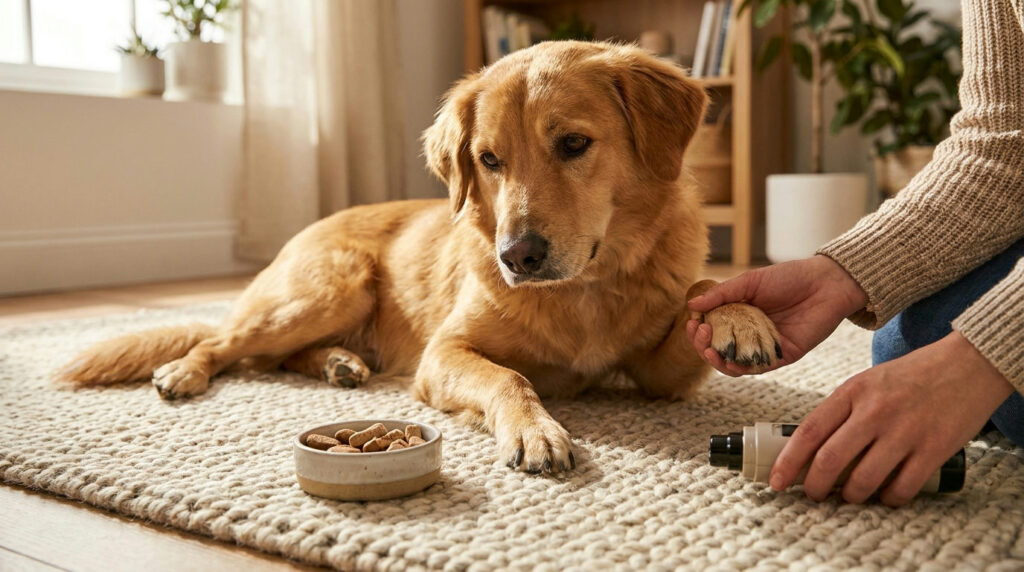
- Medicine: only what your vet has prescribed, with the vet’s written directions attached.
- House notes: alarm codes, bins, plants to water, and which rooms are off limits.
- What normal looks like: describe usual eating, energy and toilet habits so the sitter can spot changes.
Plan for emergencies
Hopefully nothing goes wrong, but a clear plan protects your pet if it does.
- Share vet details. Give the name, address and phone number of your usual vet and the nearest out-of-hours service.
- Give written consent. Write a note, and tell your vet practice, that the sitter may bring your pet in for treatment while you are away. Ask the practice how they prefer to handle payment and decisions.
- List contacts. Include your phone number, a local backup person and how to reach you if signal is poor.
- Agree on triggers. Tell the sitter to call the vet if they notice signs such as not eating, vomiting, limping, bleeding or unusual hiding.
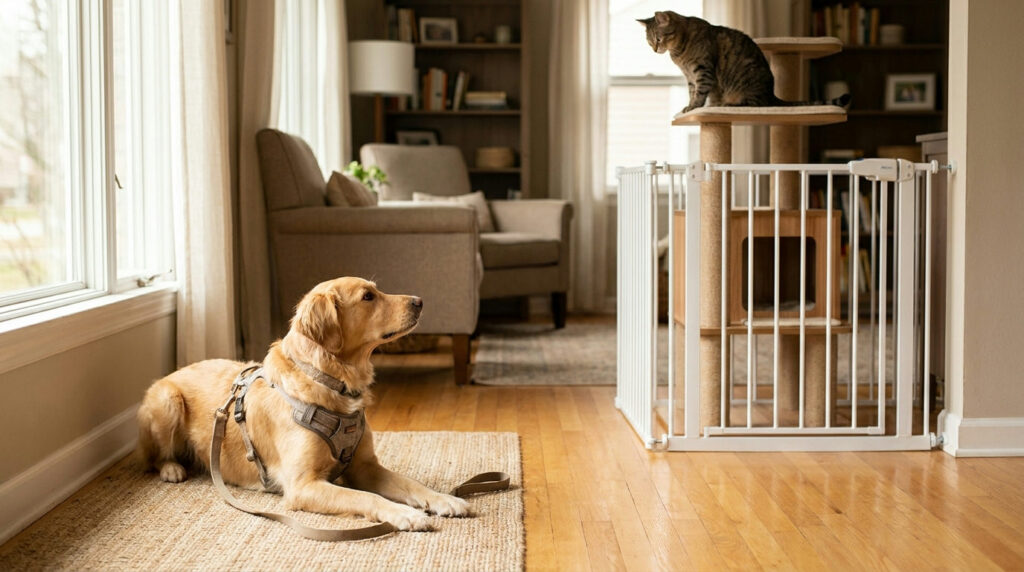
- Leave a carrier or lead ready. Make sure the sitter knows where it is and how to use it.
House access, keys and check-ins
Handing over your home needs a little planning too.
- Give a spare key in person, or use a lockbox, and agree how it comes back.
- Tell a trusted neighbour that a sitter will be visiting.
- Test any door codes, gate latches and alarm settings with the sitter before you leave.
- Agree an update routine, such as a short message and photo after each visit.
- Ask for a quick note on eating, toilet habits and mood, not just a cute photo.
When you get home, check that food has been eaten as expected and the routine has held. A detailed, honest handover is a good sign for next time.
Troubleshooting checklist
| Problem | Likely cause | What to try |
|---|---|---|
| Updates are vague or late | No agreed routine | Set clear expectations before the trip, such as a message after every visit |
| Pet hides from the sitter | Not enough time to get acquainted | Book extra meet-and-greets before the next trip |
| Food left untouched | Stress, a changed routine or a health issue | Ask the sitter to keep you posted and contact your vet if it continues |
| Sitter cancels at short notice | No backup plan | Choose someone with backup cover, and keep a second name on your list |
| Confusion over tasks | Instructions only given verbally | Use a written care sheet and walk through it together |
For more practical advice on everyday care, visit our pet care information and education section.
Where to read more: Humane World for Animals: How to choose and prepare a pet sitter and PDSA: Going on holiday, finding care for your pets.
Key takeaways
- Decide first whether a sitter, boarding or a friend suits your pet best.
- Build a shortlist from people you trust, your vet practice and local listings.
- Ask about experience, backup plans, insurance and references.
- Hold a meet-and-greet and a trial visit before the real trip.
- Write clear care instructions and a full emergency plan with vet details and consent.
- Agree on keys, access and regular updates before you leave.
Once you know how to choose a pet sitter with care, you can head off knowing your pet is in safe, well-briefed hands.
Written by the Types of Pets Editorial desk. This guide is general information, not veterinary advice; talk to your vet about your own pet. Disclosure: this guide contains no affiliate or sponsored links.