
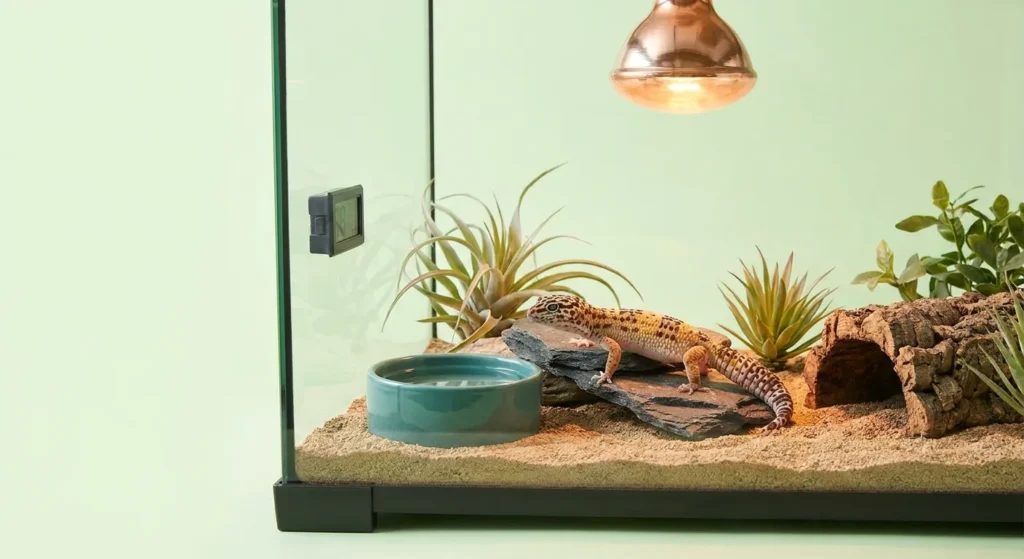

Leopard geckos are captivating reptiles, known for their docile nature and striking patterns, making them popular pets, especially among those interested in diverse pet ownership and smaller companions. For prospective and current owners of these fascinating creatures, understanding specific leopard gecko habitat needs is crucial for their long-term health and happiness. It’s not just about providing a tank; it’s about creating a meticulously tailored environment that mimics their natural arid habitat, supporting their wellness, preventing illness, and ensuring their mental enrichment.
The Foundation: Tank Size and Type
Meeting species-specific needs starts with the enclosure itself. A proper habitat is paramount for a gecko’s physical and psychological well-being. Therefore, careful consideration of tank size and type is the first step in establishing an ideal home.
Minimum Enclosure Size
For a single adult leopard gecko, a 20-gallon long tank (30″x12″x12″) is generally considered the minimum. While they don’t climb extensively, the length allows for a proper temperature gradient and space for exploration. Larger tanks (e.g., 40-gallon breeder) are always better, providing more room for enrichment and a more stable environment. Consequently, more space can reduce stress and promote natural behaviors.
Substrate Choices
Substrate is a critical choice. Loose substrates like sand are often debated due to the risk of impaction. For beginners, solid substrates like paper towels, reptile carpet, or slate tile are safer and easier to clean. If using loose substrate, ensure it’s a calcium-free, fine-grain sand/soil mixture, and monitor your gecko closely for any signs of ingestion. Indeed, improper substrate can lead to significant health issues, underscoring the importance of this decision.
Temperature and Lighting: Mimicking Natural Environments
Leopard geckos are crepuscular, meaning they are most active at dawn and dusk. Providing the correct temperature gradient and appropriate lighting is vital for their metabolism, digestion, and overall health. Furthermore, these environmental controls are fundamental to replicating their natural desert conditions effectively.
Heat Sources and Gradients
Geckos need a temperature gradient within their enclosure. The warm side (basking spot) should be around 90-94°F (32-34°C), and the cool side should range from 70-75°F (21-24°C). Under-tank heaters (UTHs) controlled by a thermostat are excellent for providing belly heat, which aids digestion. Overhead ceramic heat emitters or deep heat projectors can supplement ambient air temperatures, especially at night, ensuring that their environment supports optimal physiological functions. Importantly, consistent temperatures are key to preventing stress and illness.
UVB Lighting Debate and Recommendations
While often considered optional for nocturnal geckos, research increasingly suggests that low-level UVB lighting can be beneficial, aiding in vitamin D3 synthesis and overall health. A low-output T5 UVB bulb (e.g., 5-6%) for a few hours a day can be advantageous, mimicking natural sun exposure and contributing to their long-term wellness. Therefore, including UVB in your leopard gecko’s habitat setup is a practice gaining wider acceptance among experts.
Enrichment and Hiding Spots: Meeting Leopard Gecko Habitat Needs for Mental Health
Just like other pets, geckos benefit from mental stimulation and a sense of security. Providing varied enrichment helps prevent boredom and promotes natural behaviors. Indeed, understanding and fulfilling these particular leopard gecko habitat needs contributes significantly to their overall quality of life. For more on enriching your pet’s life, consider reading our guide on Enriching Your Pet’s Environment: Toys, Play, and Mental Stimulation.
The Importance of Hides
Leopard geckos are naturally shy and need multiple hiding spots. Provide at least three hides: a warm dry hide, a cool dry hide, and a moist hide. The moist hide is particularly crucial for shedding and hydration, helping to prevent stuck shed, which can lead to serious health issues. Consequently, these shelters offer a sense of security and reduce stress for your gecko.
Climbing Opportunities and Decor
Although not avid climbers, leopard geckos appreciate low branches, rocks, and other decor that offer varied textures and opportunities for exploration. Ensure all decor is secure and cannot fall, potentially injuring your gecko. Furthermore, adding artificial plants or hardy live plants (non-toxic) can enhance the aesthetic appeal and provide additional hiding spots. This variety helps stimulate their natural curiosity.
Humidity and Hydration: A Delicate Balance
Maintaining appropriate humidity levels and ensuring constant access to fresh water are vital aspects of leopard gecko care. While they are arid creatures, specific humidity is needed, especially for shedding.
Monitoring Humidity Levels
The overall ambient humidity in a leopard gecko enclosure should typically be between 30-40%. However, the moist hide should maintain a higher humidity of 70-80%. Use a hygrometer to monitor these levels accurately. Excessive humidity can lead to respiratory infections, while too low humidity can cause shedding problems. Therefore, a careful balance is essential for their respiratory and skin health.
Water Dishes and Hydration
Always provide a shallow, sturdy water dish with fresh, clean water. Change the water daily to prevent bacterial growth. While geckos primarily get hydration from their insect prey, a water dish is still important. Some geckos also enjoy occasional misting during shedding, but ensure the enclosure dries out quickly afterward. For further insights into pet health, explore topics like Common Pet Health Problems: What Every Owner Should Know.
Diet and Nutrition: Fueling a Healthy Gecko
Proper nutrition is fundamental to your leopard gecko’s health and vitality. A well-balanced diet contributes significantly to meeting their specific leopard gecko habitat needs, especially regarding calcium and vitamin D3 intake. This is distinct from the environmental setup but equally crucial for their well-being.
Staple Insects and Variety
Leopard geckos are insectivores. Their primary diet should consist of gut-loaded crickets, mealworms, and dubia roaches. Offer a variety of feeder insects to ensure a broad nutritional profile. Avoid feeding wild-caught insects, as they may carry parasites or pesticides. Learn more about optimal diets in our guide on Nutrition for Healthy Pets: A Guide to Optimal Diets.
Supplementation: Calcium and Vitamins
Dust feeder insects with calcium powder (without D3) at almost every feeding for juveniles and 2-3 times a week for adults. Additionally, use calcium with D3 and a multivitamin supplement once or twice a week. This supplementation is critical because, even with UVB, dietary D3 and calcium are vital for bone health and preventing metabolic bone disease. Without proper supplementation, even the best leopard gecko habitat setup will fall short.
Hygiene and Maintenance: Keeping a Clean Home
A clean environment is paramount for preventing illness and maintaining a healthy habitat. Regular cleaning and maintenance are integral to meeting your leopard gecko’s specific living requirements.
Daily Spot Cleaning
Spot clean the enclosure daily by removing any uneaten food, feces, or soiled substrate. This prevents the buildup of bacteria and reduces odors. Consequently, a clean habitat makes for a healthier, happier gecko. This simple routine is a cornerstone of responsible pet ownership.
Weekly and Monthly Deep Cleaning
Perform a thorough cleaning of the entire enclosure weekly or bi-weekly. This involves removing all decor, scrubbing the tank with a reptile-safe disinfectant, and replacing the substrate. For loose substrates, a full change is recommended every 1-2 months. This diligent cleaning schedule is crucial for preventing bacterial and fungal infections, which are common Exotic Pet Health Concerns.
Common Mistakes to Avoid in Leopard Gecko Habitat Setup
Even experienced owners can make errors. Being aware of common pitfalls can help ensure your gecko thrives. For example, understanding what not to do is as important as knowing what to do when establishing optimal leopard gecko habitat needs.
Impaction from Improper Substrate
As mentioned, fine-grain sand alone can be ingested by geckos, leading to impaction. This is a severe and potentially fatal condition. Always opt for safer substrates or a proper sand/soil mix, and observe your gecko carefully. Indeed, prevention is far better than treatment in this scenario.
Incorrect Temperatures and Humidity
Inconsistent or inappropriate temperatures and humidity levels are frequent causes of health problems, including respiratory issues and shedding difficulties. Always use reliable thermometers and hygrometers, and never guess. These environmental factors are non-negotiable for a leopard gecko’s well-being.
Lack of Hiding Spots
A gecko without adequate hiding spots will be stressed and anxious, leading to a weakened immune system and behavioral problems. Ensure at least three secure hides are always available. Therefore, providing ample security is a fundamental aspect of their care.
Conclusion: Creating a Thriving Home for Your Leopard Gecko
Creating an optimal environment for your leopard gecko goes far beyond simply housing them. It involves a detailed understanding of their natural behaviors, physiological needs, and environmental requirements. By meticulously addressing all leopard gecko habitat needs, from the appropriate tank size and substrate to precise temperature gradients, UVB lighting, humidity control, and enriching decor, you provide a foundation for a long, healthy, and fulfilling life for your captivating companion. Regular cleaning, proper nutrition, and vigilant monitoring further contribute to their well-being. Ultimately, a thriving leopard gecko is a testament to an owner’s dedication to providing a habitat that truly mimics their natural world, ensuring they can exhibit natural behaviors and live free from stress and illness.
FAQ: Frequently Asked Questions About Leopard Gecko Habitats
What is the ideal enclosure size for an adult leopard gecko?
A single adult leopard gecko ideally requires at least a 20-gallon long tank (approximately 30″x12″x12″). However, a 40-gallon breeder tank offers even more space for enrichment and a more stable environment, which is always recommended.
Do leopard geckos need special lighting?
While often considered crepuscular and not strictly requiring UVB, modern research suggests low-level UVB lighting (e.g., 5-6% T5 UVB) for a few hours daily can greatly benefit their vitamin D3 synthesis and overall health. They also need a consistent day/night cycle.
What is the best substrate for a leopard gecko setup?
For beginners, solid substrates like paper towels, reptile carpet, or slate tile are safest and easiest to clean. If you choose a loose substrate, use a calcium-free, fine-grain sand/soil mixture, and monitor your gecko to prevent impaction.
How many hides should a leopard gecko enclosure have?
A leopard gecko should have at least three hides: a warm dry hide, a cool dry hide, and a moist hide. These provide security, aid in shedding, and help regulate their body temperature.
What temperatures are necessary in a gecko’s tank?
The warm side (basking spot) of the enclosure should be 90-94°F (32-34°C), while the cool side should range from 70-75°F (21-24°C). This temperature gradient is crucial for digestion and overall health.