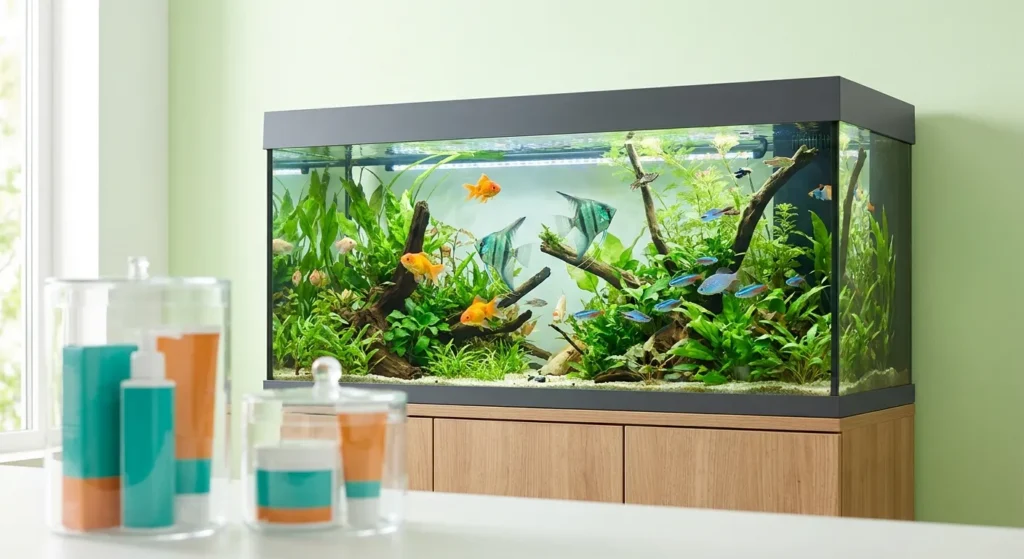

Embarking on the journey of fish keeping means understanding the ultimate fish tank setup, which is far more than just filling a glass box with water; it’s about creating a living, breathing ecosystem. With the humanization trend extending to all types of pets, including aquatic companions, owners are seeking detailed, reliable information to ensure the wellness and longevity of their finned friends. A properly established aquarium is the cornerstone of a healthy and vibrant aquatic environment, preventing common issues and promoting the well-being of your fish.
At TypesOfPets.com, we provide practical, evidence-based guidance for a wide variety of pets. This comprehensive guide will walk you through every step of setting up a successful fish tank, from initial planning to introducing your aquatic residents, ensuring a thriving habitat you’ll love to observe.
Planning Your Aquatic Ecosystem: Beyond the Basics
Before you even buy a tank, thoughtful planning is essential. This initial phase sets the stage for a stable and easy-to-maintain aquarium. Therefore, careful consideration here prevents many future problems.
Choosing the Right Tank and Location
- Size Matters: Larger tanks (20 gallons or more for beginners) are generally more stable and forgiving of beginner mistakes in water chemistry. They offer more room for fish and decor. Consider the type and number of fish you plan to keep. Furthermore, a larger water volume dilutes waste products more effectively.
- Tank Material: Glass tanks are durable and scratch-resistant. Acrylic tanks are lighter and less prone to shattering but scratch more easily. Both materials have their advantages, so choose based on your specific needs and budget.
- Location: Choose a sturdy, level surface away from direct sunlight (to prevent algae growth), drafts, and high-traffic areas. Ensure there’s easy access to electrical outlets for equipment. Also, consider the weight of a filled tank; it can be substantial.
Essential Equipment for the Ultimate Fish Tank Setup
Investing in quality equipment is non-negotiable for a healthy tank. Indeed, the right tools make all the difference in maintaining a balanced aquatic environment.
- Filter: This is the lifeblood of your aquarium, providing mechanical (particle removal), chemical (toxin removal), and biological (beneficial bacteria) filtration. Options include hang-on-back (HOB), internal, and canister filters. Choose one rated for your tank size or slightly larger. A good filter is crucial for water purity.
- Heater: Most tropical fish require stable water temperatures. An adjustable heater with a thermometer is crucial. Ensure it’s appropriately sized for your tank. Consistent temperature prevents stress and illness in your fish.
- Lighting: Proper lighting supports plant growth (if you have live plants) and enhances the visual appeal of your tank. Avoid excessive lighting, which can promote algae. Generally, 8-10 hours of light per day is sufficient.
- Air Pump & Air Stone (Optional but Recommended): While filters agitate the surface for gas exchange, an air pump and stone can increase oxygenation, especially in heavily stocked tanks or during warmer periods. They also add aesthetic appeal with bubbling effects.
- Water Test Kit: Essential for monitoring ammonia, nitrite, nitrate, and pH levels. This is a critical tool for preventive care and maintaining optimal water quality. Regular testing helps you identify and address issues promptly.
The Art of Aquascaping and Substrate Selection
Once you have your tank and basic equipment, the next step involves creating the physical environment within the aquarium. This process, known as aquascaping, combines aesthetics with functionality. Moreover, the right substrate choice is fundamental for both plant health and beneficial bacteria.
Choosing Your Substrate
The substrate forms the bottom layer of your aquarium. It serves multiple purposes, including providing a home for beneficial bacteria and anchoring live plants. Different types of substrate offer various benefits.
- Gravel: This is a popular choice, available in many colors and sizes. Gravel is easy to clean and suitable for most fish. Furthermore, it provides good surface area for beneficial bacteria.
- Sand: Ideal for bottom-dwelling fish that like to sift through the substrate, such as corydoras. Sand creates a more natural look. However, it requires careful cleaning to prevent anaerobic pockets.
- Planted Substrates: If you plan to have live plants, specialized substrates rich in nutrients are highly beneficial. These often consist of clay, peat, or laterite mixtures. They promote robust plant growth.
Decorations and Hardscape
Decorations add visual interest and provide hiding places for your fish, which reduces stress. When selecting decorations, prioritize safety and functionality. For example, ensure all items are aquarium-safe and have no sharp edges.
- Driftwood: Adds a natural look and can release tannins, which slightly lower pH and tint the water, mimicking natural habitats. Boil or soak driftwood extensively before adding it to your tank.
- Rocks: Choose inert rocks that won’t alter water chemistry significantly. Lava rock, slate, and quartz are generally safe. Avoid rocks with metallic veins.
- Artificial Plants: A good option for beginners or those not wanting the commitment of live plants. They come in various styles and colors.
- Live Plants: Enhance water quality by absorbing nitrates, provide oxygen, and offer natural hiding spots. They require specific lighting and potentially CO2 supplementation. Many types of plants thrive in different conditions, so research is important. For more detailed information on plant care, visit our Care Guides section.
The Crucial Cycling Process for a New Aquarium
Setting up a new fish tank isn’t complete until it undergoes the nitrogen cycle. This vital process establishes beneficial bacteria that convert toxic fish waste into less harmful substances. Skipping this step is a common mistake and often leads to what is known as ‘new tank syndrome’, which can be fatal to fish.
Understanding the Nitrogen Cycle
The nitrogen cycle involves three main stages:
- Ammonia (NH3/NH4+): Fish waste, uneaten food, and decaying plant matter produce ammonia. Ammonia is highly toxic to fish.
- Nitrite (NO2-): Beneficial bacteria (Nitrosomonas) convert ammonia into nitrite. Nitrite is also very toxic to fish.
- Nitrate (NO3-): Another group of beneficial bacteria (Nitrobacter) converts nitrite into nitrate. Nitrate is much less toxic and can be removed through regular water changes and by live plants.
Cycling Methods
There are two primary ways to cycle your tank:
- Fishless Cycling: This is the most humane and recommended method. It involves adding an ammonia source (e.g., pure ammonia solution or a small piece of decaying shrimp) to the tank and allowing the bacteria colonies to establish before adding fish. This process typically takes 4-6 weeks. Monitor ammonia, nitrite, and nitrate levels daily with your water test kit.
- Fish-in Cycling: This method is not recommended as it exposes fish to toxic levels of ammonia and nitrite. If absolutely necessary, use only a few hardy fish, perform daily partial water changes, and monitor water parameters rigorously. However, it causes significant stress to the fish.
During the cycling process, your water test kit will be your best friend. You will see ammonia spike, then nitrite spike, and finally, nitrates will begin to accumulate as ammonia and nitrite levels drop to zero. Only when both ammonia and nitrite are consistently at zero can you consider your tank cycled and ready for fish.
Water Parameters and Maintenance for a Thriving Aquatic Environment
Maintaining stable water parameters is key to the long-term health of your aquatic ecosystem. Regular maintenance ensures the environment remains pristine and stress-free for your fish.
Key Water Parameters to Monitor
Beyond the nitrogen cycle compounds, other parameters are important:
- pH: This measures the acidity or alkalinity of the water. Different fish species require specific pH ranges. Research the ideal pH for your chosen fish. Most freshwater tropical fish prefer a slightly acidic to neutral pH (6.5-7.5).
- Temperature: As mentioned, a stable temperature is vital. Use your thermometer to ensure the heater is maintaining the correct range for your fish.
- Hardness (GH/KH): General Hardness (GH) measures dissolved mineral content, while Carbonate Hardness (KH) buffers pH. These also vary depending on fish species.
Routine Maintenance Tasks
Consistent care prevents many common problems. A well-planned maintenance schedule makes keeping a healthy aquarium much easier. For more product recommendations to assist with maintenance, visit our Product Guides page.
- Water Changes: Perform 25-30% partial water changes weekly or bi-weekly. This removes nitrates and replenishes essential minerals. Always use a dechlorinator when adding new tap water.
- Filter Cleaning: Rinse filter media in old tank water (never tap water, which contains chlorine that kills beneficial bacteria) every few weeks. Replace mechanical media (like filter floss) as needed, but avoid replacing all biological media at once.
- Substrate Cleaning: Use a gravel vacuum during water changes to remove detritus and uneaten food from the substrate.
- Algae Control: Scrape algae from glass, reduce lighting duration if necessary, and ensure proper nutrient levels. Algae eaters can also help.
- Equipment Checks: Regularly inspect heaters, filters, and lighting for proper function.
Introducing Your Aquatic Residents: The Final Step in Your Ultimate Fish Tank Setup
After your tank is fully cycled and all parameters are stable, it’s time to introduce your fish. This is an exciting moment, but it requires patience and care to minimize stress on your new inhabitants. Remember, a successful aquarium is built on careful planning, not rushed decisions.
Acclimation Process
Fish are sensitive to sudden changes in water chemistry and temperature. Proper acclimation is crucial for their survival.
- Float the Bag: Place the sealed bag containing your new fish into your aquarium for 15-20 minutes. This allows the water temperature in the bag to equalize with your tank water.
- Drip Acclimation (Recommended): After floating, open the bag and secure it to the side of the tank. Use an air line tubing and a knot or valve to create a slow drip from your tank into the bag. Allow water to slowly drip into the bag over 30-60 minutes, gradually mixing the tank water with the bag water. This minimizes shock.
- Release: Gently net the fish from the bag and release them into your aquarium. Discard the bag water; do not add it to your tank, as it may contain pathogens or undesirable chemicals.
Stocking Your Aquarium Responsibly
Do not overstock your tank. A common rule of thumb is