
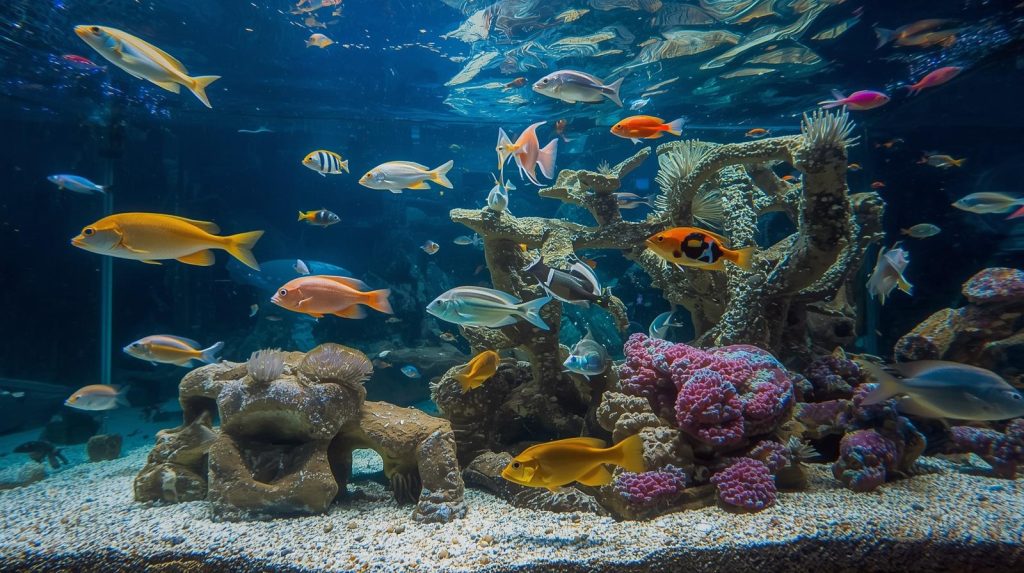

Many aquarium owners focus on water quality and feeding, yet fish enrichment activities are just as important for overall well-being. While fish may seem low-maintenance, they still need mental and physical stimulation to stay healthy. Without proper enrichment, fish can become bored, inactive, and even stressed over time.
In natural environments, fish constantly explore, hunt, and interact with their surroundings. However, in a tank setting, these opportunities are often limited. As a result, fish may lose their natural behaviors unless owners actively provide stimulation. By introducing simple changes, you can create a more dynamic and engaging environment that supports long-term health.
Keeping fish active does not require complicated tools or expensive equipment. Instead, thoughtful adjustments and consistent variety can make a significant difference in how your fish behave and thrive.
Creating A Dynamic Tank Environment
One of the most effective fish enrichment activities involves designing a tank that encourages exploration. A bare tank may look clean, but it offers little stimulation. Adding structures like rocks, driftwood, and plants creates spaces for fish to swim through, hide in, and investigate.
These elements mimic natural habitats and provide both physical and mental engagement. For example, fish often enjoy weaving through plants or exploring small caves. This movement keeps them active and prevents long periods of inactivity.
Additionally, rearranging tank decorations occasionally can refresh the environment. Even small changes introduce new pathways and hiding spots, which encourage fish to explore again. This simple approach keeps their surroundings interesting without causing stress.
Introducing Live Plants For Interaction
Live plants offer more than visual appeal, as they play a key role in fish enrichment activities. Unlike artificial decorations, live plants grow and change over time, creating a constantly evolving environment. Fish can interact with them by swimming through leaves or resting among the stems.
Furthermore, plants improve water quality by absorbing waste and releasing oxygen. This added benefit supports overall health while enhancing enrichment. Many fish species also feel more secure in planted tanks, which reduces stress and encourages natural behavior.
Choosing a variety of plant types adds texture and depth to the tank. As a result, fish remain more engaged and active throughout the day.
Using Food-Based Stimulation Techniques
Feeding time presents an excellent opportunity to incorporate fish enrichment activities. Instead of simply dropping food into the tank, you can introduce methods that encourage natural foraging behavior. In the wild, fish search for food rather than receiving it instantly.
For example, spreading food across different areas of the tank encourages movement. You can also use feeding rings or place food in specific locations to stimulate exploration. This approach keeps fish mentally engaged while promoting physical activity.
Additionally, offering a variety of foods can enhance stimulation. Switching between flakes, pellets, and frozen options introduces new textures and challenges. As a result, feeding becomes both nutritious and interactive.
Encouraging Natural Hunting Behavior
Many fish species are natural hunters, so replicating this behavior is another effective strategy. Fish enrichment activities that involve movement and pursuit can significantly increase activity levels. Live or frozen foods, such as brine shrimp, often trigger hunting instincts.
When fish chase moving food, they engage both physically and mentally. This activity closely resembles their behavior in the wild. Over time, it helps maintain fitness and prevents boredom.
However, it is important to choose appropriate food based on your fish species. Not all fish require the same type of stimulation, so understanding their natural habits is essential.
Adding Gentle Water Movement
Water flow can influence fish behavior more than many owners realize. Introducing gentle currents is one of the subtle yet effective fish enrichment activities. In nature, fish often swim against currents, which keeps them active and strong.
Using a filter or pump to create mild water movement encourages fish to swim more frequently. This activity improves muscle strength and overall health. At the same time, it adds variety to the tank environment.
It is important to ensure the flow is not too strong, as excessive movement can cause stress. Finding the right balance allows fish to benefit from the stimulation without discomfort.
Rotating Tank Layouts Occasionally
Changing the layout of your aquarium can refresh your fish’s environment. Among fish enrichment activities, this method is simple but highly effective. Even small adjustments can make the tank feel new again.
For example, moving decorations or adding new elements creates unfamiliar spaces to explore. Fish often respond by investigating these changes, which increases activity levels. This curiosity helps prevent boredom and encourages natural behaviors.
However, changes should be gradual and not too frequent. Sudden or drastic rearrangements can cause stress. A balanced approach keeps the environment engaging while maintaining stability.
Providing Visual Stimulation
Visual enrichment is another valuable aspect of fish enrichment activities. Fish are often aware of movement outside their tank, so introducing safe visual elements can stimulate interest. For instance, placing the tank in a location with moderate activity allows fish to observe their surroundings.
Additionally, some owners use background images or gentle lighting changes to create variation. These subtle shifts can keep fish engaged without overwhelming them. However, it is important to avoid excessive stimuli, as this may cause stress.
Maintaining a calm yet interesting environment supports both mental and physical well-being.
Using Tank Mates For Social Interaction
For certain species, social interaction plays a key role in enrichment. Adding compatible tank mates can enhance fish enrichment activities by encouraging natural group behavior. Schooling fish, in particular, thrive when kept in groups.
When fish interact with others, they tend to move more and display natural patterns. This interaction reduces stress and improves overall activity levels. However, careful selection of tank mates is essential to avoid aggression.
Understanding species compatibility ensures that social enrichment remains positive rather than harmful.
Incorporating Safe Toys And Objects
Although fish do not play like mammals, they can still interact with objects in their environment. Including safe, aquarium-friendly items is another way to enhance fish enrichment activities. Floating objects or gentle movement devices can capture their attention.
Some fish enjoy pushing or following objects, which adds a playful element to their routine. This interaction encourages movement and prevents inactivity. However, all items must be safe and free from harmful materials.
Simple additions can provide unexpected stimulation without disrupting the tank’s balance.
Maintaining A Consistent Yet Varied Routine
Consistency is important, but variety keeps things interesting. A balanced approach to fish enrichment activities involves maintaining stable conditions while introducing occasional changes. This combination supports both comfort and stimulation.
For example, keeping feeding times consistent helps establish routine. At the same time, varying food types or tank layout introduces new experiences. This balance prevents stress while encouraging engagement.
Observing your fish regularly helps you understand what works best. Each species responds differently, so adjustments may be needed over time.
Conclusion
Fish enrichment activities play a vital role in maintaining a healthy and active aquarium. While water quality and nutrition are essential, stimulation completes the picture. Without it, fish may become inactive or stressed, even in a well-maintained tank.
By creating a dynamic environment, encouraging natural behaviors, and introducing variety, you can significantly improve your fish’s quality of life. These efforts do not require complex setups, but they do require attention and care.
Ultimately, an enriched tank leads to more vibrant, active, and healthy fish. With the right approach, you can transform your aquarium into a space that supports both physical and mental well-being.
FAQ
- Why do fish need stimulation in a tank?
Fish need stimulation to stay active, reduce stress, and maintain natural behaviors even in a controlled environment. - How often should I change aquarium decorations?
Small changes every few weeks can keep the environment fresh without causing stress. - Can fish get bored in a tank?
Yes, fish can become inactive or stressed if their environment lacks variety and stimulation. - What is the best way to keep fish active daily?
Combining varied feeding methods, tank features, and gentle water movement helps maintain activity. - Are live plants necessary for aquarium enrichment?
They are not required, but they provide excellent interaction, natural cover, and added health benefits.