
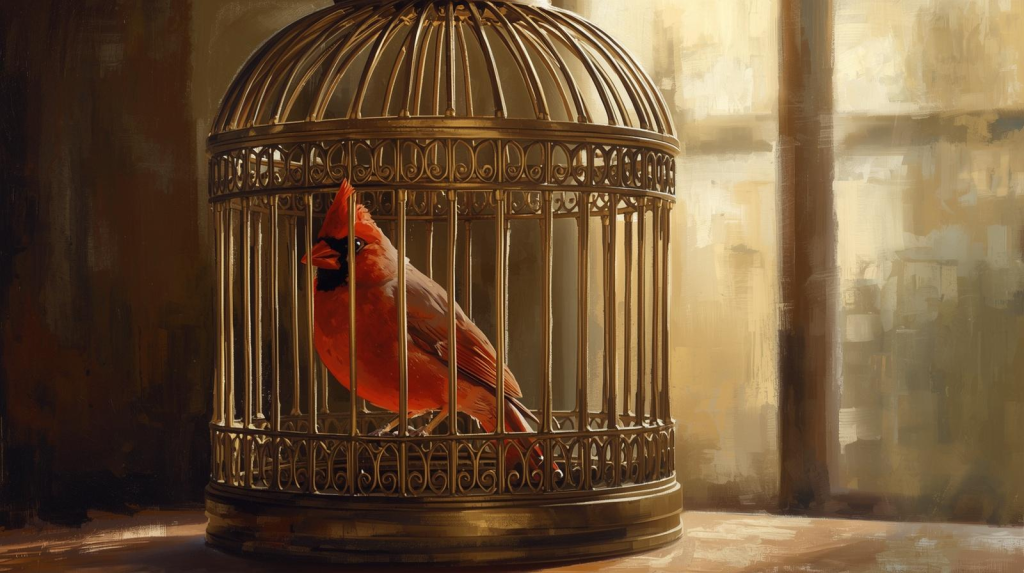

Bird cage mistakes injury risks can affect your pet’s health more than you might expect. While many bird owners focus on feeding and bonding, cage setup often gets overlooked.
However, the cage is where your bird spends most of its time. Because of this, even small errors can lead to stress, physical harm, or long-term health issues.
Therefore, understanding bird cage mistakes injury causes helps you create a safer and more comfortable environment. With the right adjustments, you can prevent avoidable problems and support your bird’s well-being.
Why Cage Setup Matters for Bird Safety
A bird’s cage is not just a place to stay. Instead, it acts as a home, playground, and resting space.
Because birds are active and curious, they interact with every part of their cage. As a result, unsafe designs or poor setups can lead to injury.
Additionally, birds rely on their environment for mental stimulation. If the cage is poorly arranged, it may cause boredom or anxiety.
For these reasons, bird cage mistakes injury risks increase when owners overlook proper setup and maintenance.
Choosing the Wrong Cage Size
One of the most common issues is selecting a cage that is too small. Although smaller cages may seem convenient, they restrict movement.
Limited Space and Movement
Birds need room to stretch their wings fully. Without enough space, they may develop muscle weakness or frustration.
Because of this, bird cage mistakes injury often begin with inadequate cage size.
Stress and Behavioral Problems
When birds feel confined, they may show signs of stress. These include feather plucking or aggression.
Therefore, choosing the right cage size is essential for both physical and emotional health.
Incorrect Bar Spacing
Bar spacing is another critical factor that many owners overlook.
Risk of Head or Limb Trapping
If the bars are too wide, birds may get their heads or feet stuck. This situation can lead to panic and serious injury.
On the other hand, bars that are too narrow may limit visibility and comfort.
Because of this, bird cage mistakes injury risks increase when spacing does not match the bird’s size.
Matching Cage to Species
Different birds require different spacing. For example, small birds need narrower gaps, while larger birds require wider spacing.
Choosing the correct size reduces the risk of accidents.
Using Unsafe Perches
Perches play a major role in your bird’s daily life. However, not all perches are safe.
Uniform Perch Sizes
Using only one perch size can strain a bird’s feet. Over time, this may lead to pressure sores or discomfort.
Slippery or Toxic Materials
Plastic perches may be too smooth, while some treated woods can be harmful.
Because of this, bird cage mistakes injury can result from poor perch choices.
Better Perch Options
Natural wood perches provide varying textures. These help maintain foot health and grip.
Therefore, offering a variety of perch types improves comfort and safety.
Improper Cage Placement
Where you place the cage matters just as much as what is inside it.
Exposure to Drafts or Heat
Placing a cage near windows or air vents can expose birds to temperature changes. This can weaken their immune system.
High-Traffic Areas
Although birds enjoy interaction, constant noise and movement may cause stress.
As a result, bird cage mistakes injury risks increase when placement creates discomfort or anxiety.
Ideal Cage Location
Choose a calm, well-lit area with stable temperatures. This helps your bird feel secure.
Overcrowding the Cage
Many owners add too many toys and accessories. While enrichment is important, overcrowding can cause problems.
Restricted Movement
Too many items limit space for flying or climbing. This increases the chance of collisions.
Increased Risk of Injury
Birds may get trapped between objects or injure themselves while navigating tight spaces.
Because of this, bird cage mistakes injury often result from cluttered environments.
Finding the Right Balance
Provide enough toys for stimulation but leave room for movement. Rotate items regularly to keep things fresh.
Neglecting Regular Cleaning
Cleanliness is essential for preventing illness and injury.
Bacteria and Mold Growth
Dirty cages can harbor harmful bacteria. These can lead to infections or respiratory issues.
Slippery Surfaces
Accumulated waste can make surfaces slippery. This increases the risk of falls.
Therefore, bird cage mistakes injury risks rise when cleaning routines are inconsistent.
Simple Cleaning Tips
- Clean food and water dishes daily
- Replace cage liners regularly
- Disinfect perches and toys weekly
Maintaining hygiene supports your bird’s health.
Using Toxic Materials and Accessories
Some cage items may look safe but contain harmful substances.
Dangerous Metals
Materials like lead or zinc can be toxic to birds. Even small exposure can cause serious illness.
Unsafe Toys
Toys with loose parts or sharp edges can cause injury.
Because of this, bird cage mistakes injury may result from poorly chosen accessories.
Safe Alternatives
Choose bird-safe products made from non-toxic materials. Always inspect items for wear and damage.
Ignoring Sharp Edges and Damage
Over time, cages and accessories can wear down.
Broken Bars or Wires
Damaged cages may have sharp edges. These can cut or trap your bird.
Worn-Out Toys
Frayed ropes or broken parts can pose risks.
As a result, bird cage mistakes injury can occur if maintenance is neglected.
Regular Inspections
Check the cage and accessories weekly. Replace damaged items immediately.
Lack of Mental Stimulation
While physical safety is important, mental health also plays a role.
Boredom and Stress
Without stimulation, birds may develop destructive behaviors. These include feather plucking or excessive noise.
Interactive Toys and Activities
Provide toys that encourage problem-solving. Rotate them regularly to maintain interest.
Because of this, preventing bird cage mistakes injury includes addressing both physical and mental needs.
Poor Feeding Setup Inside the Cage
Feeding areas should be clean and accessible.
Spilled Food and Water
Improper placement can lead to contamination. This increases the risk of illness.
Unstable Bowls
Loose dishes may tip over, creating mess and stress.
Therefore, bird cage mistakes injury risks increase when feeding setups are poorly designed.
Better Feeding Practices
Use secure bowls and place them away from perches. This keeps food clean and reduces waste.
Not Allowing Time Outside the Cage
Even the best cage cannot replace free movement.
Limited Exercise
Birds need time outside to stretch and explore. Without it, they may become weak or overweight.
Supervised Freedom
Always supervise out-of-cage time to prevent accidents.
Because of this, bird cage mistakes injury can also stem from lack of exercise.
Conclusion: Creating a Safe and Healthy Cage Environment
Bird cage mistakes injury risks are often preventable with proper knowledge and attention. By focusing on cage size, materials, placement, and maintenance, you can create a safer environment for your pet.
Moreover, balancing physical safety with mental stimulation ensures your bird remains happy and engaged. Small improvements in setup can lead to significant benefits over time.
Ultimately, avoiding bird cage mistakes injury helps your bird live a healthier, more comfortable life. Taking the time to evaluate and improve your setup makes all the difference.
FAQ
1. What size cage is best for my bird?
Choose a cage that allows your bird to fully stretch its wings and move freely without restriction.
2. How often should I clean a bird cage?
Daily cleaning of food areas and weekly deep cleaning helps maintain a safe environment.
3. Are plastic perches safe for birds?
They can be used, but natural wood perches are better for foot health and grip.
4. Where should I place my bird’s cage?
Place it in a calm area with stable temperature and moderate activity for comfort.
5. How can I prevent injuries inside the cage?
Regularly inspect the cage, use safe materials, and avoid overcrowding to reduce risks.