
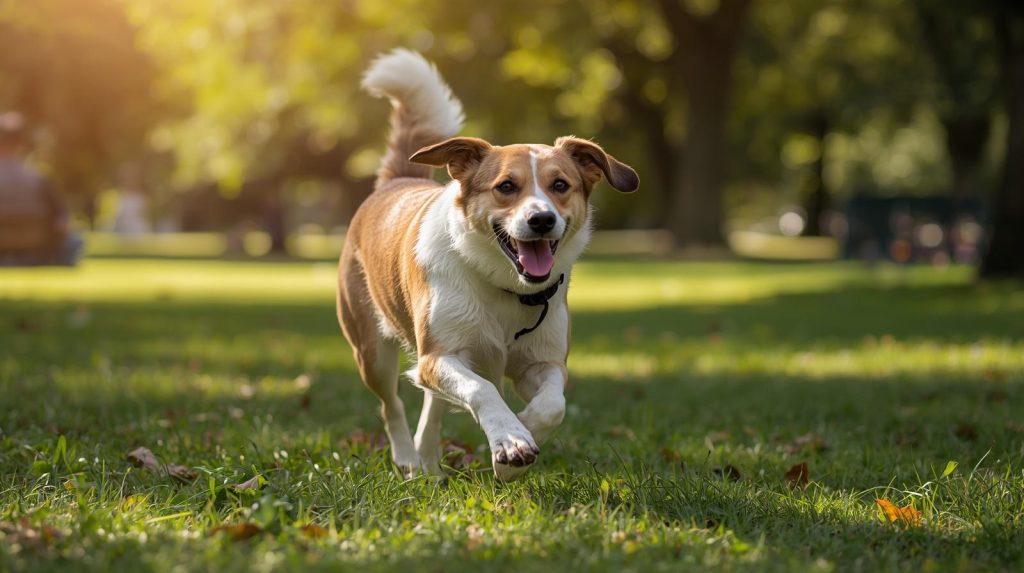

Understanding dog exercise needs is essential for keeping your pet healthy, happy, and well-behaved. However, activity requirements are not the same throughout a dog’s life. Instead, they change significantly from puppyhood to senior years.
Because each stage brings unique physical and mental demands, tailoring routines becomes crucial. When you align daily activity with age and ability, your dog thrives. On the other hand, ignoring these shifts can lead to weight gain, joint issues, or behavioral problems.
In this guide, you’ll learn how dog exercise needs evolve across life stages and how to adjust routines effectively.
Why Dog Exercise Needs Change Over Time
Dogs grow quickly, and their bodies develop in stages. As a result, their energy levels and physical capabilities shift.
For example, puppies have bursts of energy but limited endurance. Adult dogs, however, can sustain longer activities. Meanwhile, senior dogs require gentler routines to protect joints.
Additionally, mental stimulation becomes just as important as physical movement. Without it, boredom can lead to destructive behavior.
Therefore, understanding dog exercise needs at every stage helps prevent common health issues while improving overall well-being.
Puppy Stage: Building the Foundation
Puppies are full of energy, curiosity, and excitement. However, their bodies are still developing, so exercise must be controlled.
How Much Activity Puppies Need
At this stage, dog exercise needs focus on short, frequent sessions rather than long workouts. Generally, a good rule is five minutes of activity per month of age, twice daily.
For example:
- A 3-month-old puppy needs about 15 minutes per session
- A 6-month-old puppy needs about 30 minutes per session
Best Activities for Puppies
Because puppies are still growing, low-impact play is ideal. Consider:
- Short walks on soft surfaces
- Gentle fetch sessions
- Basic training games
- Social play with other vaccinated dogs
What to Avoid
Although puppies seem energetic, overexercising can harm their joints. Avoid:
- Long runs
- Jumping from heights
- Repetitive high-impact play
By managing dog exercise needs early, you set the stage for lifelong health.
Adolescent Stage: Managing High Energy
As dogs enter adolescence, their energy levels often peak. At this point, dog exercise needs increase significantly.
However, this stage can also bring behavioral challenges. Therefore, structured activity becomes even more important.
Daily Exercise Requirements
Most adolescent dogs need:
- 60 to 90 minutes of activity daily
- A mix of physical and mental stimulation
Because energy levels vary by breed, active dogs may need even more.
Recommended Activities
To meet dog exercise needs during adolescence, include:
- Longer walks or light jogging
- Interactive games like tug or fetch
- Basic agility exercises
- Obedience training sessions
Behavior Benefits
Regular activity helps reduce:
- Excessive barking
- Chewing and destruction
- Hyperactivity
As a result, consistent routines make this stage more manageable.
Adult Stage: Maintaining Health and Balance
Adult dogs are typically at their physical peak. Therefore, dog exercise needs during this stage focus on maintaining fitness and preventing weight gain.
How Much Exercise Adults Need
Most adult dogs require:
- 60 to 120 minutes of daily activity
- A balance of aerobic exercise and mental engagement
However, breed, size, and health status influence these needs.
Best Exercise Options
To meet dog exercise needs effectively, include:
- Brisk walks or runs
- Hiking or outdoor adventures
- Swimming for low-impact conditioning
- Puzzle toys and training sessions
Adjusting for Lifestyle
If your dog lives in a smaller space, mental stimulation becomes even more important. Indoor games can help compensate for limited outdoor time.
Because consistency matters, regular schedules support both physical and emotional health.
Senior Stage: Gentle and Supportive Movement
As dogs age, their activity levels decline. Still, dog exercise needs do not disappear. Instead, they shift toward maintaining mobility and comfort.
How Exercise Changes for Seniors
Older dogs may experience:
- Reduced stamina
- Joint stiffness
- Slower recovery times
Therefore, exercise should be shorter and less intense.
Recommended Activities
To meet dog exercise needs in senior years, consider:
- Short, slow walks
- Gentle play sessions
- Swimming or hydrotherapy
- Light stretching routines
Health Benefits
Even light activity helps:
- Maintain muscle mass
- Support joint health
- Improve circulation
- Reduce anxiety
Consequently, regular movement remains essential, even in later years.
Factors That Influence Dog Exercise Needs
While life stage is important, other factors also affect activity requirements.
Breed Differences
Some breeds, like Border Collies, need intense daily exercise. Others, like Bulldogs, require less.
Size and Weight
Larger dogs may need more controlled exercise to protect joints. Smaller dogs often benefit from shorter, frequent sessions.
Health Conditions
Dogs with arthritis, heart issues, or obesity require customized routines. Always consult a vet when adjusting dog exercise needs for health reasons.
Environment
Living space, climate, and access to outdoor areas also play a role. For example, hot weather may limit outdoor activity.
By considering these factors, you can better meet your dog’s unique needs.
Signs Your Dog Needs More Exercise
Sometimes, dogs show clear signs when their activity level is too low.
Watch for:
- Restlessness or pacing
- Excessive barking
- Destructive behavior
- Weight gain
- Difficulty settling down
When these signs appear, it may indicate unmet dog exercise needs.
Signs of Overexercising
Although activity is essential, too much can cause harm.
Look for:
- Limping or stiffness
- Excessive panting
- Reluctance to move
- Fatigue lasting beyond normal recovery
If you notice these signs, reduce intensity and allow recovery time.
Balancing dog exercise needs prevents both underactivity and injury.
Combining Physical and Mental Stimulation
Exercise is not just about movement. Mental engagement is equally important.
Why Mental Stimulation Matters
Dogs need to think, solve problems, and engage their senses. Without it, boredom develops quickly.
Ways to Add Mental Exercise
To support dog exercise needs, include:
- Puzzle toys
- Scent games
- Training sessions
- Interactive feeders
These activities reduce stress while improving behavior.
Creating a Routine That Works
Consistency plays a major role in meeting dog exercise needs.
Tips for Building a Routine
Start by:
- Scheduling walks at the same time daily
- Mixing activities to prevent boredom
- Adjusting intensity based on energy levels
- Monitoring your dog’s response
Adapting Over Time
Because needs change, revisit your routine regularly. As your dog ages, adjust duration and intensity.
This flexibility ensures long-term health and happiness.
Conclusion: Supporting Your Dog at Every Stage
Understanding dog exercise needs by life stage allows you to provide the right care at the right time. From playful puppies to gentle seniors, each phase requires a tailored approach.
By adjusting routines, you protect your dog’s joints, maintain a healthy weight, and support mental well-being. Moreover, consistent activity strengthens your bond and improves overall quality of life.
Ultimately, meeting dog exercise needs is one of the most important responsibilities of pet ownership. When done correctly, it leads to a happier, healthier companion for years to come.
FAQ
1. How often should I walk my dog at different ages?
Puppies need short, frequent walks, while adults benefit from longer sessions. Senior dogs usually require shorter, slower walks.
2. What happens if dogs don’t get enough activity?
Lack of movement can lead to weight gain, anxiety, and destructive behavior. Regular exercise helps prevent these issues.
3. Can older dogs still stay active safely?
Yes, they can. Gentle activities like slow walks and swimming help maintain mobility without stressing joints.
4. How do I know if my dog is getting too much exercise?
Signs include limping, fatigue, and reluctance to move. Adjust activity levels if these symptoms appear.
5. Are mental activities as important as physical ones?
Absolutely. Puzzle toys and training exercises keep dogs engaged and reduce boredom-related problems.