
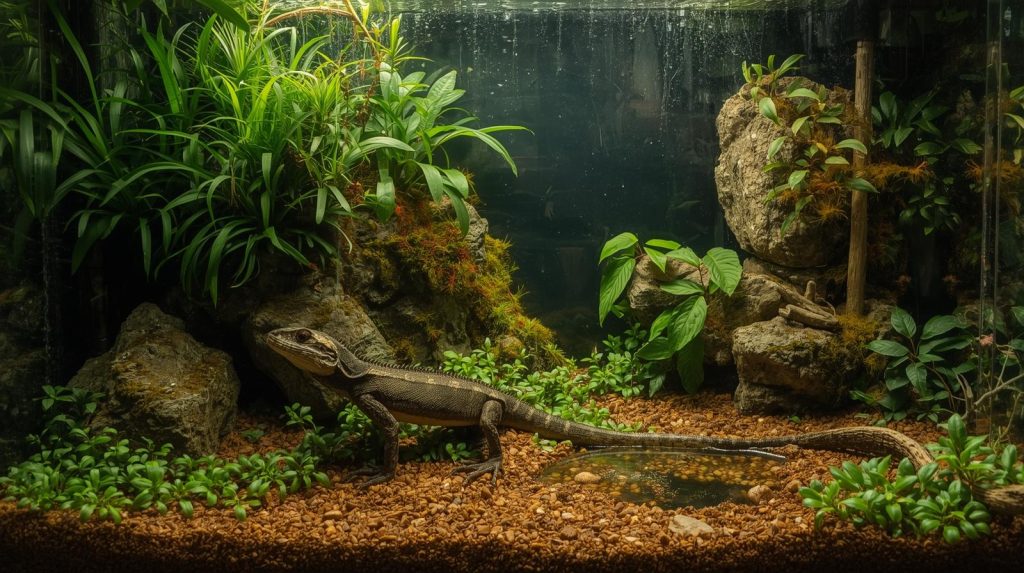

Creating the right environment is essential for reptile care. A calm safe reptile habitat ensures your pet feels secure, comfortable, and healthy every day. Unlike mammals, reptiles depend entirely on their surroundings to regulate body functions.
Therefore, even small mistakes in setup can cause stress or illness. Many owners focus only on basic equipment. However, reptiles need stability, safety, and proper environmental balance.
When you build a calm safe reptile habitat, you support natural behavior and long-term well-being. In addition, your reptile becomes more active, confident, and easier to care for.
Why Reptiles Need a Stable Environment
Reptiles are highly sensitive to change. A calm safe reptile habitat provides the consistency they need to thrive.
In the wild, reptiles rely on stable temperature zones, hiding areas, and predictable conditions. When these elements are missing, stress increases quickly.
As a result, stressed reptiles may stop eating, become aggressive, or hide excessively. Moreover, long-term stress weakens their immune system.
Therefore, creating a stable setup is not optional. It is a key part of responsible reptile care.
Choosing the Right Enclosure Size and Type
The enclosure is the foundation of your setup. A calm safe reptile habitat starts with selecting the right size and structure.
A small enclosure restricts movement and causes stress. On the other hand, a properly sized habitat allows exploration and natural behavior.
Consider:
- Species-specific space requirements
- Ventilation needs
- Accessibility for cleaning
Glass tanks, PVC enclosures, and wooden vivariums all work well. However, each has unique advantages depending on your reptile.
Choosing the right enclosure ensures comfort and safety from the beginning.
Temperature Control and Heat Gradients
Temperature is critical for reptile health. A calm safe reptile habitat must include proper heat zones.
Reptiles need a gradient. This allows them to move between warm and cool areas as needed.
To achieve this:
- Use heat lamps or ceramic heaters
- Place heating on one side of the enclosure
- Monitor with accurate thermometers
Avoid sudden changes. Consistency is essential for proper digestion and activity.
Stable temperatures reduce stress and improve overall health.
Lighting and Day-Night Cycles
Lighting affects behavior and metabolism. A calm safe reptile habitat includes a consistent light cycle.
Most reptiles need:
- UVB lighting for calcium absorption
- A 10–12 hour light cycle
- Gradual transitions between light and dark
Timers help maintain consistency. As a result, your reptile develops a natural rhythm.
Avoid placing the enclosure in direct sunlight. This can cause overheating and stress.
Balanced lighting supports both physical and mental well-being.
Providing Proper Hiding Spots
Hiding spaces are essential. A calm safe reptile habitat must offer secure areas where your pet can retreat.
Reptiles hide to feel safe. Without hiding spots, they may experience constant stress.
Include:
- At least two hides (warm and cool sides)
- Natural materials like bark or rock
- Enclosed spaces that block light
Hiding areas help reptiles regulate temperature and reduce anxiety.
When your pet feels secure, it behaves more naturally.
Substrate Selection for Safety and Comfort
Substrate affects both hygiene and safety. A calm safe reptile habitat requires appropriate flooring.
Different species need different substrates. For example:
- Sand for desert reptiles
- Soil or coconut fiber for tropical species
- Paper-based options for easy cleaning
Avoid loose materials that can cause impaction if ingested.
Additionally, keep the substrate clean and dry. Regular maintenance prevents bacteria buildup.
Choosing the right substrate improves comfort and reduces health risks.
Maintaining Proper Humidity Levels
Humidity plays a major role in reptile health. A calm safe reptile habitat must match your species’ moisture needs.
Low humidity can cause shedding problems. High humidity may lead to respiratory issues.
To maintain balance:
- Use hygrometers for monitoring
- Mist the enclosure if needed
- Provide water bowls or humidity hides
Consistency is key. Sudden changes can stress your reptile.
Proper humidity supports skin health and overall comfort.
Safe Decorations and Enrichment
Decorations should be both functional and safe. A calm safe reptile habitat includes enrichment that encourages natural behavior.
Add elements such as:
- Climbing branches
- Rocks for basking
- Plants for cover
Ensure all items are secure. Loose decorations can cause injury.
Enrichment keeps your reptile active and engaged. As a result, it reduces boredom and stress.
A well-designed habitat balances safety and stimulation.
Avoiding Common Habitat Mistakes
Many owners make simple errors. A calm safe reptile habitat requires attention to detail.
Common mistakes include:
- Overcrowding the enclosure
- Using incorrect temperatures
- Ignoring humidity levels
- Providing insufficient hiding spots
These issues can lead to stress and illness.
Instead, focus on consistency and proper setup. Small improvements make a big difference.
Cleaning and Maintenance Routine
Cleanliness is essential for health. A calm safe reptile habitat must be maintained regularly.
Daily tasks include:
- Removing waste
- Checking water quality
- Observing your reptile’s behavior
Weekly tasks involve deeper cleaning and substrate checks.
Avoid harsh chemicals. Use reptile-safe cleaners to prevent toxic exposure.
Consistent maintenance keeps the environment safe and stable.
Reducing Noise and External Stress
External factors can affect reptiles. A calm safe reptile habitat should minimize noise and disturbances.
Avoid placing the enclosure near:
- Loud televisions
- High-traffic areas
- Vibrating appliances
Reptiles prefer quiet, predictable environments.
Additionally, limit excessive handling. Too much interaction can cause stress.
A calm setting helps your reptile feel secure and relaxed.
Handling and Interaction Tips
Handling should be gentle and controlled. A calm safe reptile habitat extends beyond the enclosure.
When handling your reptile:
- Move slowly
- Support its body fully
- Avoid sudden movements
Respect your reptile’s behavior. If it shows signs of stress, reduce interaction.
Building trust takes time. Gradual interaction improves comfort and confidence.
Monitoring Behavior for Early Warning Signs
Observation is key to prevention. A calm safe reptile habitat allows you to notice changes quickly.
Watch for:
- Reduced appetite
- Lethargy
- Unusual hiding patterns
- Aggressive behavior
These signs may indicate stress or health issues.
Early detection helps you adjust conditions before problems worsen.
Long-Term Benefits of a Proper Habitat
Creating the right setup has lasting benefits. A calm safe reptile habitat supports long-term health and happiness.
Healthy reptiles are:
- More active
- Better eaters
- Less prone to illness
Additionally, they show natural behaviors and adapt better to their environment.
Investing in proper care leads to a stronger bond and better overall experience.
Conclusion
A calm safe reptile habitat is essential for your pet’s well-being. By focusing on temperature, lighting, humidity, and safety, you create a stable environment that supports natural behavior.
Small adjustments, such as adding hiding spots or maintaining proper humidity, can significantly improve your reptile’s quality of life.
Consistency is the key to success. With proper planning and care, your reptile will thrive in a secure and comfortable habitat.
Ultimately, a well-designed enclosure ensures a healthier, happier pet for years to come.
FAQ
1. What temperature should a reptile habitat be?
Temperature depends on the species, but most reptiles need a gradient with warm and cool zones.
2. How often should I clean a reptile enclosure?
Daily spot cleaning and weekly deeper cleaning help maintain hygiene and safety.
3. Why are hiding spots important for reptiles?
Hiding spots reduce stress and help reptiles feel secure in their environment.
4. Can I use regular household lights for reptiles?
No, reptiles often need specialized UVB lighting for proper health.
5. How do I know if my reptile is stressed?
Signs include lack of appetite, excessive hiding, and unusual behavior changes.