Helping your dog feel confident in social situations is one of the greatest gifts you can give them. When you focus on the best social dog games, you create opportunities for your dog to explore, learn, and interact without fear. Confidence doesn’t develop overnight, but it grows through positive experiences, predictable routines, and rewarding play. Because dogs learn through repetition and gentle exposure, social games become the perfect bridge between fun and emotional strength.
Many dogs struggle with uncertainty. Some feel nervous around new people. Others freeze during unfamiliar situations or hide behind their owners. But when you introduce the best social dog games into their routine, you create safe experiences that slowly reduce those fears. Each game becomes a small step toward a calmer, braver dog. Over time, these moments shape a dog that walks through life with greater ease and curiosity.
Whether your dog is shy, anxious, energetic, or simply inexperienced with social settings, confidence-building games offer them structure and support. You don’t need expensive toys or advanced training skills. Instead, you need patience, intentional play, and the willingness to let your dog learn at their pace. The best social dog games encourage this growth naturally.
Why Social Games Help Boost Dog Confidence
Dogs thrive on interaction, structure, and predictable experiences. Because of this, the best social dog games help them understand how to navigate the world. Confidence grows when dogs feel safe and capable. Social games create situations where success is easy and mistakes don’t bring pressure. When your dog learns that new experiences lead to positive outcomes, their confidence expands.
Many dogs lack confidence due to limited early socialization, past trauma, or sudden lifestyle changes. Gentle exposure through games gives your dog the chance to reset their understanding of the world. Instead of feeling overwhelmed, they begin to enjoy moments of connection. Games give them permission to explore and help you guide them with reassurance.
Additionally, social games strengthen the bond between you and your dog. Every successful interaction builds trust. The stronger your bond becomes, the more your dog will look to you for guidance. This trust becomes the backbone of confidence, especially when your dog encounters new situations.
The Best Social Dog Games for Building Confidence
When you choose the best social dog games, focus on gentle movement, predictable structure, and opportunities for positive reinforcement. Confidence grows quickly when your dog experiences consistent success. The following games work well for dogs of all ages, sizes, and personalities because they blend fun with emotional development.
1. The Name Game
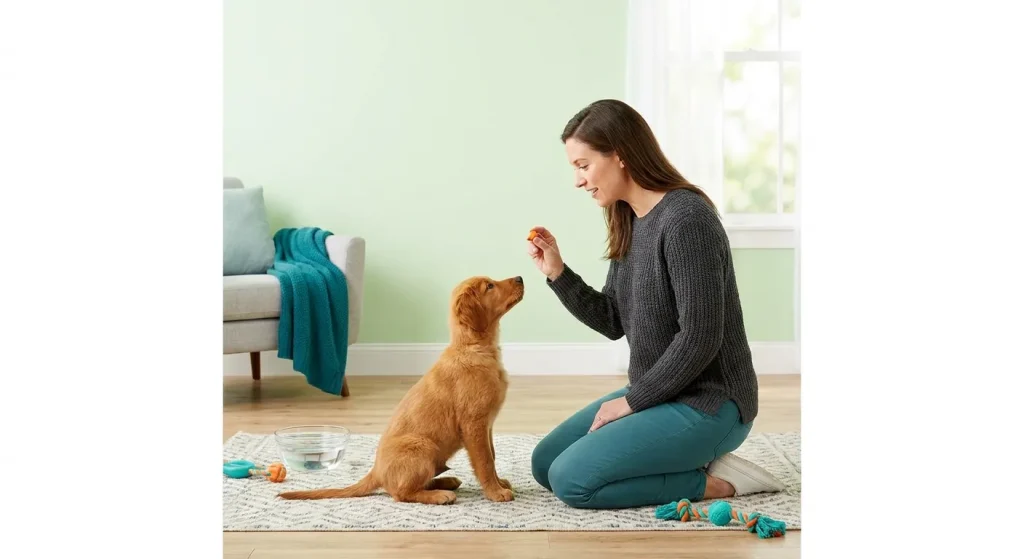
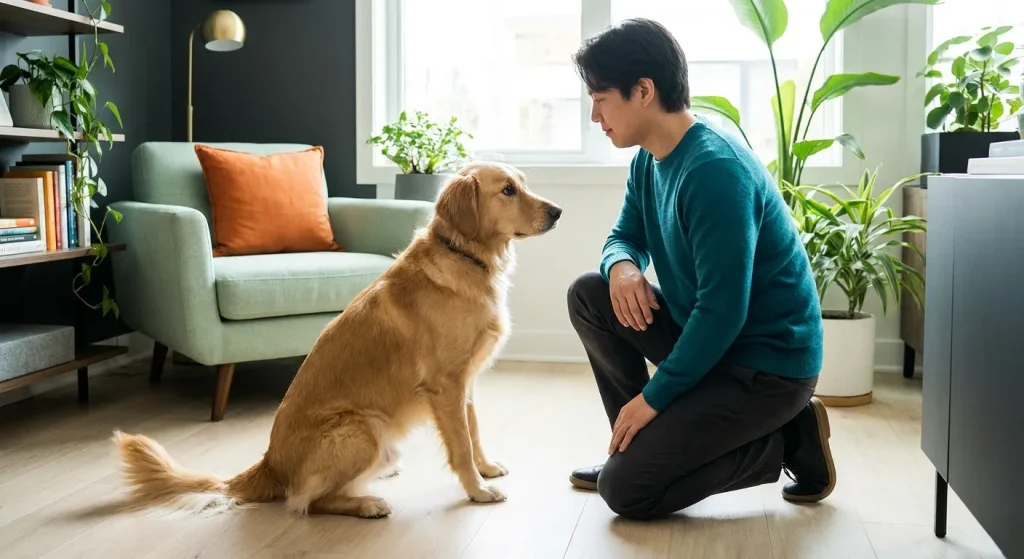
The Name Game is one of the best social dog games for shy dogs. It introduces positive interactions in a low-pressure way. Sit with your dog in a calm environment and say their name gently. When they look at you, reward them with praise or a treat. This game teaches them that responding to cues leads to positivity.
Once your dog feels comfortable, invite a trusted friend to play. They can call your dog’s name softly, offer a treat, and let your dog approach at their own pace. This builds recognition and increases comfort around new people without forcing interaction.
2. The Follow Me Game
Follow Me builds trust and social awareness. Walk around your home or yard slowly, encouraging your dog to follow. Celebrate when they stay close. This game teaches your dog to stay connected to you, boosting their confidence during movement and exploration.
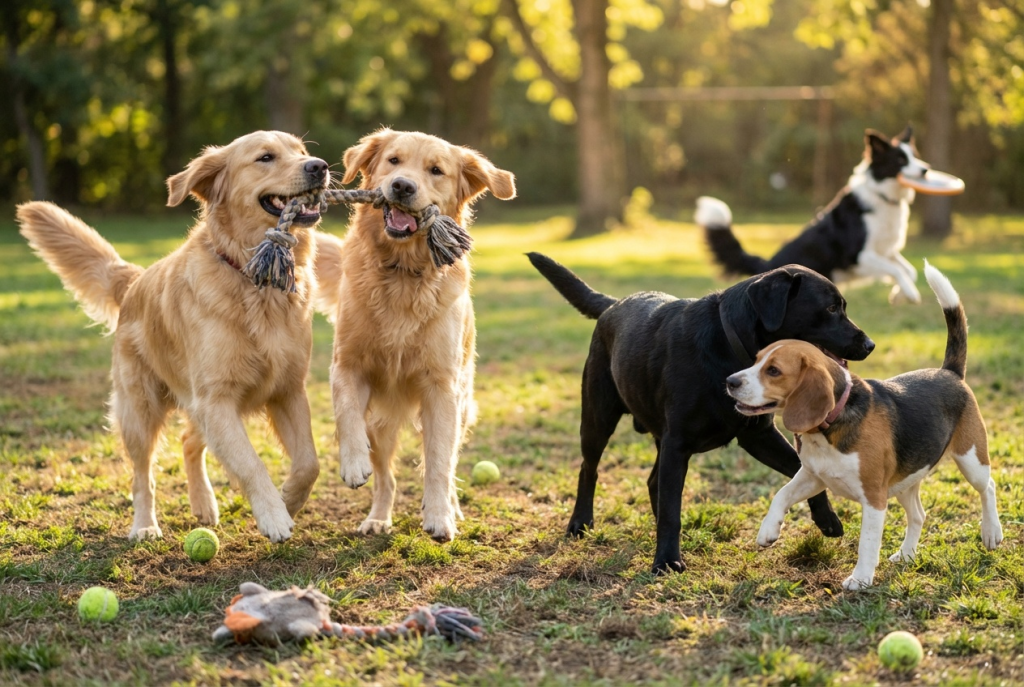
As your dog improves, play Follow Me with another friendly dog. The mild competition encourages curiosity and helps your dog observe healthy social behavior.
3. The Treat Trail Game
The Treat Trail encourages exploration in a safe, structured way. Create a trail of small treats leading toward a friend, family member, or another calm dog. Because your dog is focused on discovery rather than pressure, they naturally become more comfortable approaching others.
This simple activity helps shy dogs learn that social interaction leads to reward rather than fear. Because of this, it remains one of the best social dog games for fearful personalities.
4. The Toy Sharing Game
Toy Sharing helps your dog understand gentle cooperation. Sit with a trusted friend and have them introduce one of your dog’s favorite toys. Let them hold the toy while allowing your dog to take it. Encourage soft interactions and reward calm behavior.
Once your dog learns that sharing toys is positive, playing with other gentle dogs becomes easier. Because toys often trigger competition, this game builds patience and reduces tension in social settings.
5. Hide-and-Seek
Hide-and-Seek is one of the most engaging and playful options among the best social dog games. Have someone hold your dog while you hide behind furniture or in another room. Call their name once, then let them search for you. When they find you, celebrate with enthusiasm.
This game improves problem-solving skills and strengthens trust. Your dog learns that seeking people leads to joy, not stress. Over time, you can invite a second person or dog to join the game, encouraging healthy social cooperation.
6. Dog Meetup Circle
A controlled meetup circle introduces your dog to multiple people or dogs in a structured format. Start with a small circle of trusted individuals. Let your dog walk through the center on a loose leash while each person ignores them at first. Once your dog relaxes, each person can offer a small treat.
Because the environment remains calm, your dog feels safe. This controlled exposure helps transform overwhelming experiences into manageable interactions. Over time, your dog approaches new people with far more confidence.
7. The Confidence Course
A simple obstacle course turns into one of the best social dog games when done with other dogs or people. Use cushions, low boxes, tunnels, or sturdy household items to create a small course. Let your dog explore each obstacle with verbal encouragement.
Invite another calm dog to participate. Watching another dog succeed helps shy dogs feel braver. When your dog completes the course, reward them generously. Completing new challenges builds confidence quickly.
8. The Sharing Walk
Nature brings out the best in dogs. A Sharing Walk involves walking in parallel with another dog and their owner. The dogs do not interact directly at first. Instead, they walk beside each other at a safe distance. Over time, the distance decreases as they grow more comfortable.
This game teaches dogs how to relax around others in a cooperative way. Because movement reduces tension, Sharing Walks are excellent confidence builders.
How Social Games Strengthen Emotional Stability
Confidence isn’t just about bravery. It’s also about emotional stability. Dogs feel more secure when they know what to expect. Because the best social dog games offer structure, dogs experience predictable situations where calmness is rewarded.
Over time, your dog learns how to regulate their emotions better. They stop reacting fearfully to strangers. They begin approaching other dogs with curiosity instead of worry. They look to you for guidance and trust your leadership.
Social games also reduce anxiety because they create opportunities for slow exposure. Your dog isn’t thrown into overwhelming situations. Instead, they build skills gradually, gaining confidence through repetition and success.
When dogs experience emotional growth, their entire world expands. They explore more. They play more. They enjoy life more fully.
Using Reinforcement to Boost Confidence in Social Games
Positive reinforcement is essential when using the best social dog games. Dogs repeat behaviors that bring rewards. When your dog experiences praise, treats, or affection during social interactions, they associate those moments with positive outcomes.
Use high-value treats during early sessions. Because treats capture attention, they help redirect nervous energy. As your dog becomes more confident, you can transition to verbal praise or gentle petting.
Never force interaction. Dogs need space to process new situations. Allow your dog to approach at their pace. Confidence grows naturally when dogs feel in control of their choices.
Consistency matters, too. Play social games often. Short sessions several times a week build more progress than long sessions once in a while.
Helping Fearful or Reactive Dogs Through Social Games
Some dogs struggle with intense fear or reactivity. These dogs benefit deeply from the best social dog games because the games provide structure without pressure. For fearful dogs, start with games that require minimal interaction, such as Treat Trails or the Name Game. These activities help reduce fear responses and encourage exploration.
Reactive dogs can still participate in social games but may need more distance at first. Parallel walks, controlled greeting circles, and confidence courses work well. A professional trainer may also assist in guiding reactive dogs through safe exposure.
The key is letting the dog set the pace. Growth will come, even if slowly.
Encouraging Cooperation Through Play
Social games also teach cooperation. Dogs learn how to share space, toys, humans, and experiences. Cooperation builds confidence because it teaches your dog that social settings can be peaceful rather than competitive.
For example, games like toy sharing, hide-and-seek, and obstacle courses teach dogs to take turns and stay calm around others. When your dog sees that social situations are predictable, they feel safer and behave more confidently.
Creating a Social Game Routine
Routine supports growth. To boost confidence consistently, schedule social games several times each week. Begin with calm games and slowly progress to more interactive ones. Keep sessions short, often between five and fifteen minutes.
Because dogs thrive on routine, predictable playtimes strengthen confidence. With each session, your dog feels a little braver, a little calmer, and more ready to try new things.
Over time, these routines turn into strong habits that improve your dog’s behavior in everyday situations.
Conclusion
The best social dog games give your dog the chance to build confidence through positive, structured experiences. When you focus on gentle exposure, emotional safety, and playful learning, your dog transforms from uncertain to self-assured. Social games strengthen trust, encourage curiosity, and help dogs navigate the world with greater ease. With patience, routine, and the right games, you help your dog grow into a confident, joyful companion ready to explore life without fear.
FAQ
1. How often should I play social games with my dog?
Short, consistent sessions several times a week work best for building confidence.
2. Can social games help reactive dogs?
Yes, when done carefully. Controlled, low-pressure games help reactive dogs feel safer over time.
3. What is the most important factor in boosting dog confidence?
Predictable, positive experiences build confidence faster than anything else.
4. Can puppies benefit from social games?
Absolutely. Social games are essential for proper development and early confidence building.
5. Should I force my dog to interact during these games?
No. Always let your dog approach at their own pace to build genuine confidence.