
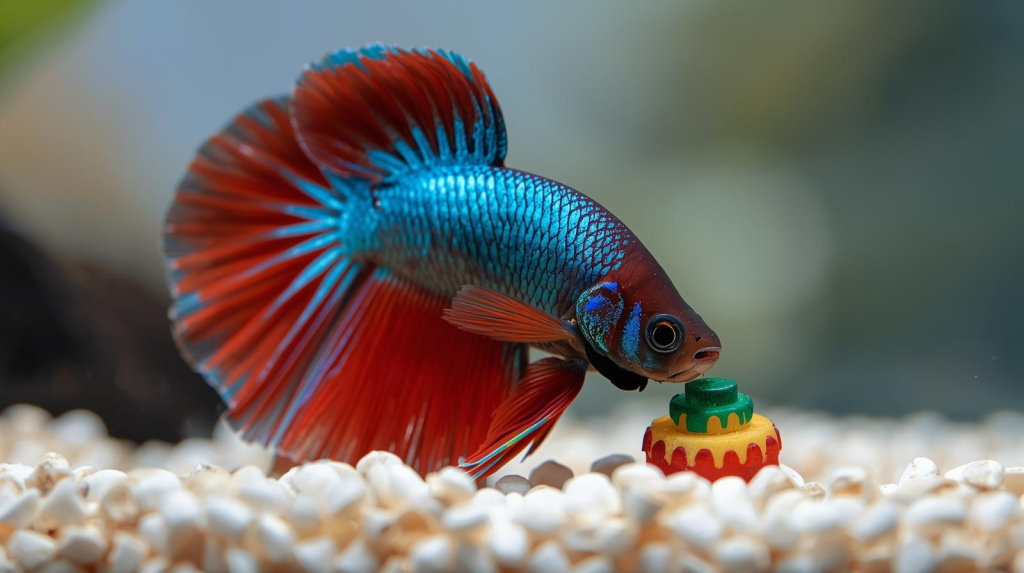

Betta fish are more than just vibrant decorations for your tank—they’re intelligent, curious creatures that thrive on mental and physical stimulation. Feeding toys for betta fish offer an easy and exciting way to keep your finned friend entertained while promoting natural behaviors. Let’s explore how these clever tools can transform your betta’s daily routine.
Why Betta Fish Need Mental Stimulation
Have you ever noticed your betta pacing around the tank or flaring its fins at its reflection? These are signs of boredom or pent-up energy. In the wild, bettas hunt for insects, explore shallow waters, and build bubble nests. But in captivity, life can become monotonous without stimulation.
Feeding toys help bridge this gap by mimicking natural hunting behaviors. They turn ordinary feeding into a fun, interactive challenge that keeps your betta mentally sharp. When your fish works for its food, it experiences a sense of purpose and satisfaction—something that simple flakes or pellets can’t provide.
Regular mental stimulation through feeding toys can also prevent stress-related issues such as lethargy, fin biting, or aggression. A busy betta is a happy betta.
What Are Feeding Toys for Betta Fish?
Feeding toys for betta fish are small, interactive accessories designed to make mealtime fun. They’re typically made from safe, non-toxic materials and encourage your fish to use its natural instincts to search, chase, or nudge for food.
Common Types of Betta Feeding Toys
- Floating feeding rings – These keep food in one area, reducing mess and helping bettas target their meals.
- Puzzle feeders – These challenge bettas to work out how to get to the food, stimulating problem-solving.
- Floating balls with food inside – These roll gently across the water’s surface, making your betta chase and nudge them.
- Mirror-based feeders – Some toys have gentle reflections to encourage flaring and attention without stress.
- Leaf feeders – Plastic or silk leaves that hold food at the surface mimic natural feeding zones.
Benefits of Using Feeding Toys Regularly
When used correctly, feeding toys can:
- Reduce boredom and aggression
- Encourage natural hunting and exploration
- Prevent overfeeding by slowing down mealtime
- Improve physical activity and coordination
- Strengthen your bond with your fish through interactive play
Your betta will not only get its food but also enjoy the process—turning every feeding session into an engaging routine.
How to Use Feeding Toys to Engage Betta Fish
Using feeding toys isn’t just about dropping them in the tank. It’s about creating a playful experience that feels instinctive and safe for your betta.
Step-by-Step Guide for Introducing Feeding Toys
- Start slow. Introduce one toy at a time so your betta doesn’t get overwhelmed.
- Use familiar food. Begin with your betta’s favorite pellets or frozen treats to spark curiosity.
- Demonstrate the toy. Tap the toy gently or move it to show that it contains food.
- Observe reactions. Some bettas take a day or two to engage, while others jump right in.
- Reward curiosity. When your betta interacts with the toy, drop in a small treat as positive reinforcement.
Over time, your fish will associate feeding toys with fun and rewards. Consistency is key—make feeding playtime a daily event.
Tips for Keeping the Experience Enriching
- Rotate toys weekly to keep things fresh and exciting.
- Clean toys regularly to prevent bacteria buildup.
- Vary food types such as pellets, brine shrimp, or bloodworms for a natural feel.
- Use lighting strategically. Bettas are more active with gentle, even lighting during playtime.
- Add mild current. Some toys move naturally with water flow, mimicking real prey behavior.
By turning mealtime into a game, you keep your betta alert, active, and happy.
Mistakes to Avoid When Using Feeding Toys
While feeding toys are fantastic enrichment tools, improper use can lead to frustration or stress. Avoid these common pitfalls:
- Overcomplicating early play: Start with simple toys before introducing complex feeders.
- Leaving toys in too long: Constant exposure can cause boredom or territorial behavior.
- Ignoring cleaning: Food residue can quickly attract harmful bacteria.
- Using too many toys: Too much clutter makes the tank stressful instead of stimulating.
- Neglecting observation: Always watch how your betta interacts; each fish has a unique personality.
If your betta seems hesitant, take a step back and reintroduce the toy gradually. Patience pays off.
Additional Enrichment Ideas for Bettas
Feeding toys are just one piece of the enrichment puzzle. You can further enhance your betta’s life with small, thoughtful additions that keep its world dynamic.
- Live plants: Offer hiding spots and gentle exploration areas.
- Floating logs: Allow resting and bubble nest building.
- Mirrors (short-term use): Encourage flaring behavior for short bursts of exercise.
- Tank rearrangements: Move decorations occasionally to simulate a new environment.
- Hand feeding: Builds trust and creates a stronger bond.
When combined with feeding toys, these ideas create a balanced routine that keeps your betta engaged physically and mentally.
Conclusion
Feeding toys for betta fish do more than entertain—they create a world where your fish can express its natural instincts and stay mentally stimulated. By turning feeding time into playtime, you build a healthier, happier, and more active betta.
Start small, observe closely, and adjust as your fish’s curiosity grows. The reward? A vibrant, interactive pet that thrives in its environment, one playful meal at a time.
FAQ
1. What are the best feeding toys for betta fish?
Floating feeding rings, puzzle feeders, and small food-dispensing balls are among the best options for bettas.
2. How often should I use feeding toys?
You can use them daily, but rotating different toys every few days keeps your betta interested and engaged.
3. Can feeding toys help reduce betta aggression?
Yes, they provide mental stimulation that redirects aggressive energy into positive, interactive play.
4. Are DIY feeding toys safe for betta fish?
Yes, as long as they’re made from aquarium-safe materials without sharp edges or toxic coatings.
5. How long does it take for bettas to get used to feeding toys?
Some engage immediately, while others take a few days. Be patient and reward any signs of curiosity.