
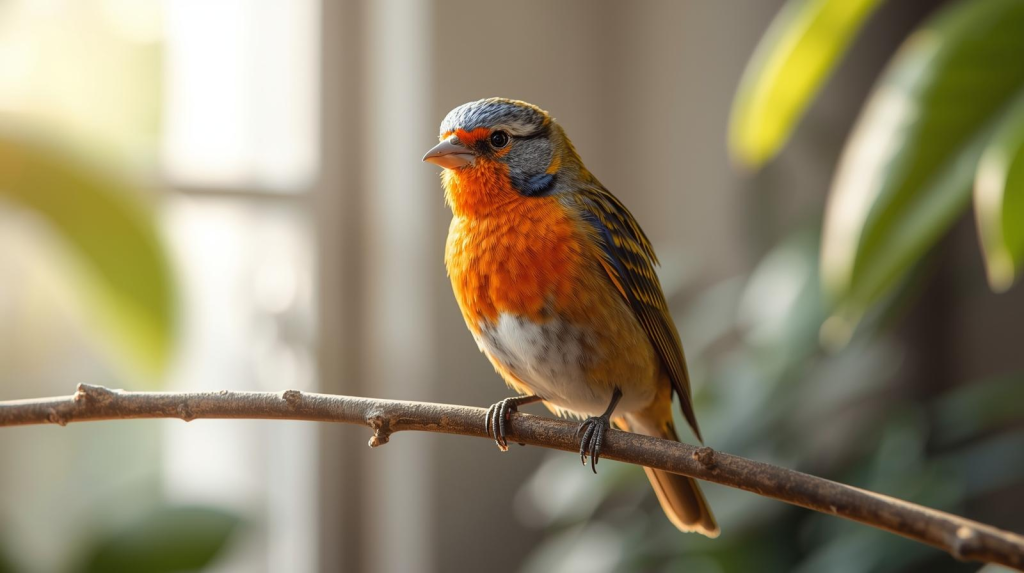

When your bird’s feathers lose their shine, it’s a sign something’s off. Healthy feathers should shimmer under the light, smooth and vibrant. Dull plumage, on the other hand, can make even the most colorful bird look lifeless. But don’t worry — restoring that sparkle is possible once you understand what’s behind the problem.
Let’s explore why bird feathers become dull and what you can do to help your feathered friend look their best again.
Understanding Why Bird Feathers Look Dull
A bird’s feathers tell a story about its overall health. When they’re glossy and full, your bird is likely thriving. When they’re dull, frayed, or faded, it’s your bird’s way of saying something’s wrong.
Feathers rely on nutrition, cleanliness, and emotional balance to stay bright. Just like human hair loses shine when we’re stressed or malnourished, feathers also reflect the bird’s inner state.
Common Causes of Dull Feathers
Dull feathers aren’t just a cosmetic issue — they can signal deeper health or environmental problems. Let’s look at the most common culprits.
1. Poor Nutrition
Nutrition plays the biggest role in feather quality. Birds that lack essential vitamins, minerals, and proteins often have feathers that look faded or brittle.
Seeds alone, while tasty, don’t provide complete nutrition. Birds need a balanced diet that includes:
- Fresh fruits and vegetables
- Pellets formulated for their species
- Occasional grains, nuts, and protein sources
Vitamin A is particularly crucial. Without it, feathers lose their sheen, and skin becomes dry and flaky.
If your bird’s diet has been mostly seeds, that might be the main reason for the dullness.
2. Lack of Bathing or Mist Sprays
Feathers need regular moisture to stay healthy. Birds use baths and preening to clean off dust, dander, and oils that dull their plumage.
If your bird doesn’t bathe or isn’t offered misting sessions, debris builds up over time. This can make even vibrant feathers appear gray or lifeless.
Try offering a shallow bath or gently misting your bird with room-temperature water a few times a week. Many birds, once they get used to it, love the experience.
3. Poor Lighting and Lack of Sunlight
Birds need natural sunlight or full-spectrum UV light to maintain bright plumage. UV exposure helps with vitamin D synthesis, calcium absorption, and even coloration.
If your bird is kept indoors without access to sunlight, it can develop dull feathers over time.
Placing your bird’s cage near a sunny window or using a bird-safe UV lamp can make a big difference. Just ensure your bird isn’t in direct, harsh sunlight for too long to avoid overheating.
4. Molting and Feather Replacement
Molting is a natural process where old feathers fall out and new ones grow in. During this phase, feathers may look uneven, ragged, or dull.
Molting typically happens once or twice a year, depending on the species. While it’s temporary, it can make birds look scruffy or less colorful for several weeks.
Supporting your bird through molting with proper nutrition, extra protein, and a calm environment helps ensure new feathers grow in strong and shiny.
5. Stress and Boredom
Birds are sensitive creatures. Stress, boredom, or loneliness can directly affect feather health.
A stressed bird may over-preen, pluck feathers, or neglect grooming altogether. Over time, this leads to patchy or dull plumage.
Try enriching your bird’s environment with toys, mirrors, perches, and daily interaction. Social birds especially need consistent engagement to stay happy and healthy.
6. Illness or Parasites
Sometimes dull feathers are a symptom of something medical. Mites, lice, liver problems, or infections can all impact feather texture and color.
If you’ve tried improving diet and environment with no success, a checkup with an avian vet is essential. Parasites or internal issues can’t be solved through grooming alone.
Early detection makes a big difference. Feathers can recover beautifully once the underlying problem is treated.
How to Restore Shine to Your Bird’s Feathers
Once you’ve identified the cause, restoring feather brightness becomes much easier. Let’s look at practical steps that help your bird look radiant again.
1. Improve Your Bird’s Diet
Start with nutrition — it’s the foundation of feather health.
Add variety to your bird’s meals:
- Leafy greens like kale, spinach, and dandelion
- Colorful fruits like mango, papaya, and carrots for carotenoids
- Pelleted food to provide complete vitamins and minerals
Avoid giving too many seeds or fatty snacks. Instead, focus on foods that support healthy oils and proteins for feather regrowth.
You can also add bird-safe vitamin supplements after consulting your vet.
2. Encourage Regular Bathing
Offer baths daily or every other day. Some birds prefer splashing in a shallow dish, while others like gentle misting.
Bathing not only cleans feathers but also encourages natural preening behavior. As birds dry off, they realign feather barbs, restoring smoothness and sheen.
Make sure the water is lukewarm, and avoid using soaps or chemicals — plain water is enough.
3. Provide Access to Natural Light
If natural sunlight isn’t available, install a full-spectrum UV lamp made for birds.
These lights mimic natural rays and promote both feather pigmentation and overall mood.
Turn the lamp on for about 6–8 hours a day, following your bird’s daily rhythm. Remember to keep it at a safe distance to prevent overheating.
4. Reduce Stress and Add Enrichment
A calm, stimulating environment supports not just mental health but physical appearance too.
Rotate toys regularly to keep your bird engaged. Offer puzzle feeders or hanging toys that mimic foraging. Spend time talking or playing near your bird to strengthen your bond.
Even something as simple as background music or gentle chatter can make a big difference.
5. Schedule a Vet Checkup
If you’ve optimized diet, bathing, and environment but still see no improvement, your bird might need medical attention.
An avian veterinarian can check for mites, fungal infections, or organ imbalances that affect feather quality. With proper treatment, feathers usually regain their natural luster within the next molt.
Preventing Dull Feathers in the Future
Once your bird’s feathers have regained their shine, maintenance is key. Prevention is always easier than cure.
Keep up with:
- A balanced diet rich in vitamins A and D
- Regular bathing or misting
- Access to sunlight or UV light
- Consistent enrichment and social time
- Routine vet visits every 6–12 months
These habits create a strong foundation for lifelong feather health and happiness.
Conclusion
Dull feathers aren’t just about appearance — they’re your bird’s way of signaling imbalance. Whether it’s nutrition, stress, or light, there’s always a reason behind the loss of shine.
By focusing on a balanced diet, regular bathing, good lighting, and a calm environment, you’ll help your bird regain its glow and confidence. Healthy feathers are the result of a healthy, happy bird — and there’s nothing more beautiful than that.
FAQ
1. Why are my bird’s feathers dull even after bathing?
If dullness persists after regular baths, it may be due to poor nutrition or lack of sunlight. Review your bird’s diet and lighting setup.
2. How long does it take for feathers to regain shine?
Depending on the cause, it may take several weeks or until your bird’s next molt for feathers to fully recover.
3. Can stress cause dull feathers?
Yes, stress and boredom can lead to over-preening or neglecting grooming, which dulls feathers over time.
4. What foods help make feathers shiny?
Foods high in vitamin A (like carrots, kale, and sweet potatoes) and carotenoids support vibrant feather color and texture.
5. Should I use bird-safe oils or sprays to add shine?
It’s best to avoid commercial feather sprays unless prescribed by a vet. Natural bathing and good nutrition are safer long-term solutions.